
AI-assisted, fast and scalable video production
VR experiences for trade shows, events and training
Touchscreen kiosk software and hardware
3D hologram display and stage solutions
What Is 3D Animation? How Does It Become an Advantage for Brands?
What is 3D animation, how is it produced and what advantages does it offer brands? Explore the production stages, software choice and areas of use in this guide.
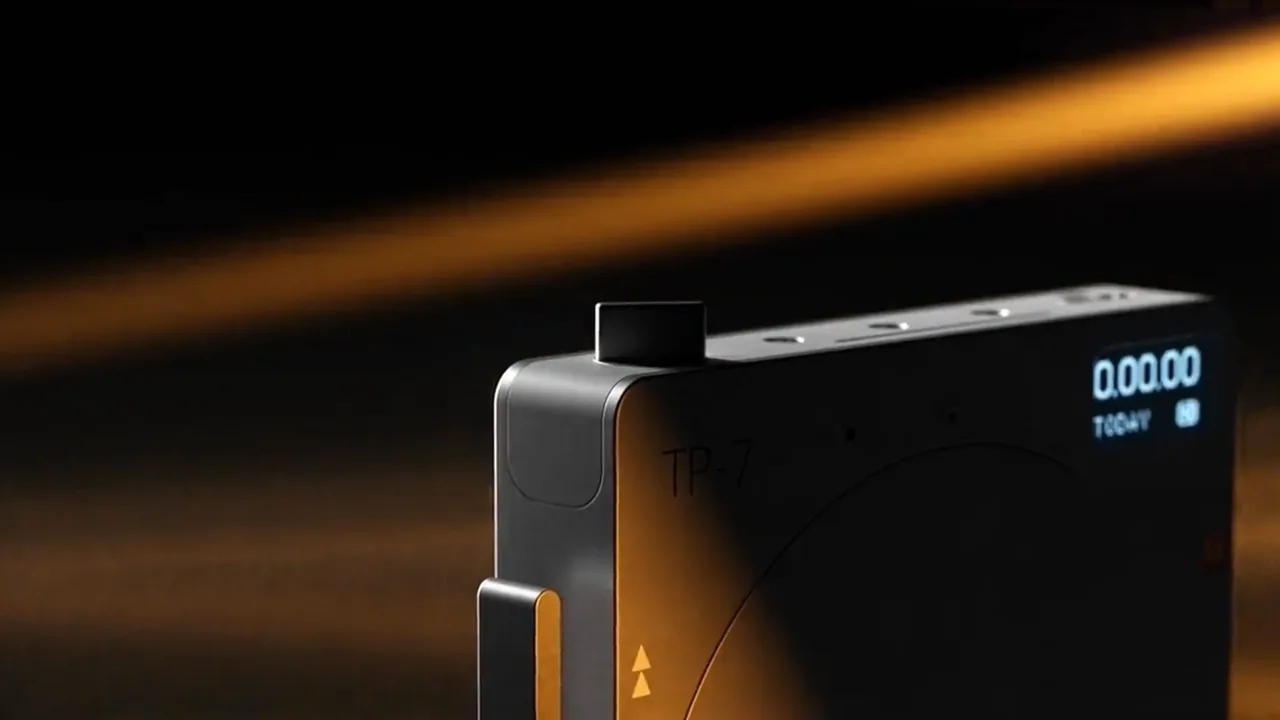
In a digital world where the power of visuals keeps growing, 3D animation has become one of the ways brands attract attention and present their products impressively. It offers a powerful tool for product presentations, prototype showcases and training videos, especially in sectors such as manufacturing, technology, healthcare and architecture. In this article, we take a detailed look at what 3D animation is, the stages of the production process, the benefits it offers brands and how it is used in which areas.
What Is 3D Animation?
3D animation is the bringing to life of three-dimensional objects by animating them in a digital environment. This technology offers the viewer a realistic experience; the object is positioned on the X, Y and Z axes in a virtual scene and, together with camera and lighting settings, becomes an image close to its physical behaviour in the real world. Because it contains more depth and detail than 2D animation, it is frequently preferred in areas such as marketing, promotion and training.
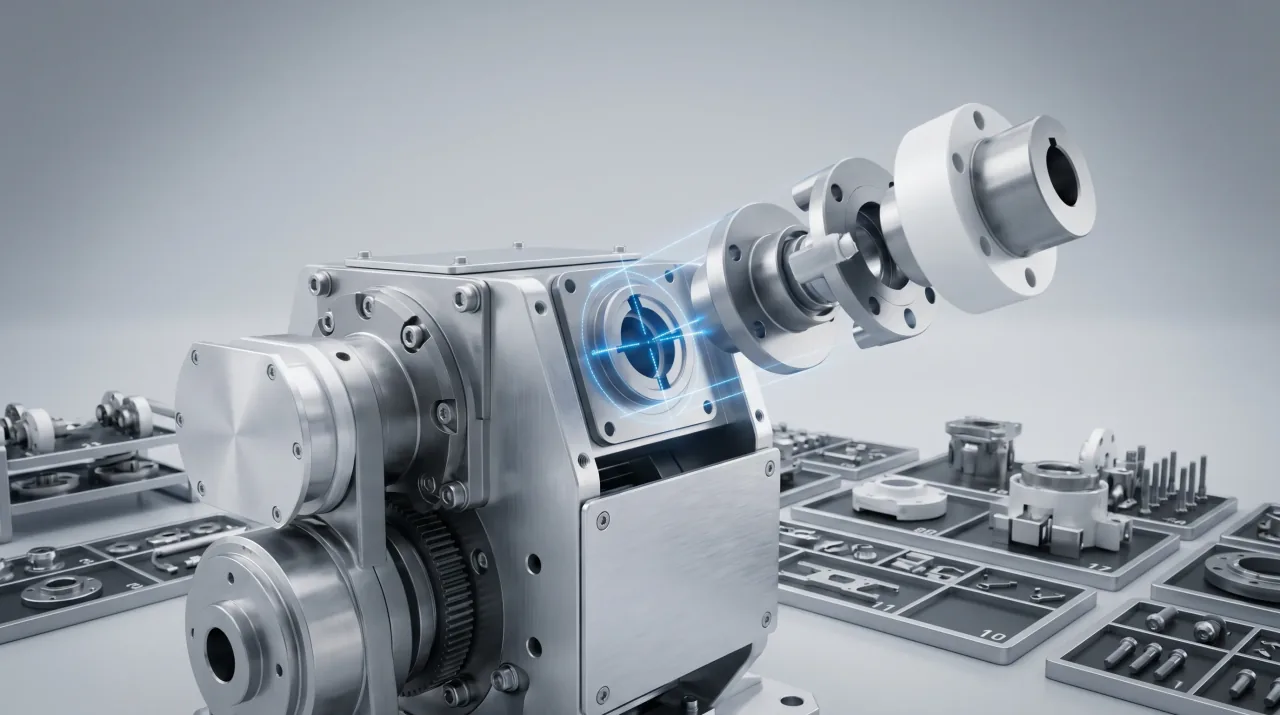
The real value of the technique emerges in scenes that cannot be recorded physically. The movement inside a machine's closed housing, a molecule's interaction with a cell membrane or the field performance of a prototype that has not yet been manufactured becomes visible through three-dimensional storytelling. This is also why animation solutions find a response across such a wide range of sectors.
For details on the differences between 2D and 3D animation, take a look at the “2D vs 3D Animation: What's the Difference?” article. You can find a detailed comparison in terms of style, area of use, production process and impact in that article.
Which Stages Make Up the 3D Animation Production Process?
A professional three-dimensional production project runs on a production pipeline that progresses linearly, with each stage using the output of the previous one as its input. The order of the stages and the decisions taken in each of them determine not only the quality of the final image but also the cost of revisions. The process consists of the following steps:
Script and storyboard: Planning the message scene by scene and settling camera angles and the distribution of time on paper.
Modelling: Turning the product into three-dimensional geometry from technical drawings, CAD data or reference images.
Texturing and shading: Building metal, glass, plastic, texture and surface imperfections realistically through material definitions.
Rigging: Setting up a skeleton and control system for the moving parts so that mechanical movement becomes manageable.
Animation: Placing keyframes on the timeline and adjusting speed and transition curves.
Lighting and render: Setting up the scene lighting and computing the frames into images.
Post-production: Giving the piece its final form with colour grading, compositing, graphic layers and sound design.
In corporate projects, these steps are carried out as part of a planned 3D animation production process, with approval obtained at the end of each stage. Post-production work, which comes into play at the final stage, brings colour, compositing and sound layers together to create a cohesive visual experience.
Where Does the 3D Animator Fit into the Project?
The 3D animator is the person who gives movement to objects that have been modelled and rigged. Their task is not simply to move a part from point A to point B, but to build a convincing sense of weight, acceleration, inertia and contact on the timeline. In industrial projects, this means staying true to a piston's real cycle speed; in medical projects, it means a mechanism progressing in the biologically correct order.
In large-scale productions, modelling, rigging, animation, lighting and rendering are divided among separate specialisms. In more compact teams, the animator takes on more than one stage. In both cases, technical accuracy depends on the communication established with the engineering or product team on the client side. Frequently seen 3D animation mistakes, such as scale errors, broken motion curves and incorrect material definitions, mostly arise when this communication falls short.
Choosing Correctly Among 3D Animation Programs
Declaring a single program the absolute best can mean ignoring what the project needs. The choice is shaped by the source of the data to be modelled, the expected render quality and the workflow within the team. In the table, you can see the areas where commonly used software stands out:
Software | Where It Stands Out | Typical Use |
Blender | Open source, broad plug-in ecosystem | Product and promotional animations |
Autodesk Maya | Depth in character animation and rigging | Character- and story-driven productions |
3ds Max | Architectural modelling and visualisation | Project presentations, interiors |
Cinema 4D | Motion graphics integration | Corporate promotion, graphic storytelling |
SolidWorks and CAD-based tools | Technical accuracy and dimensional fidelity | Explaining industrial mechanisms |
In practice, professional studios do not use these tools on their own but as a chain. CAD data is cleaned up in one program, the animation is built in another environment, and rendering and compositing are completed in separate engines. It is the integrity of the production chain, more than the brand's choice of software, that determines the final quality.
Where Is 3D Animation Used?
The areas of use widen in direct proportion to the complexity of what needs to be explained. Typical application scenarios by sector, and the storytelling need that stands out in each, are as follows:
Area | Example Use | Key Need |
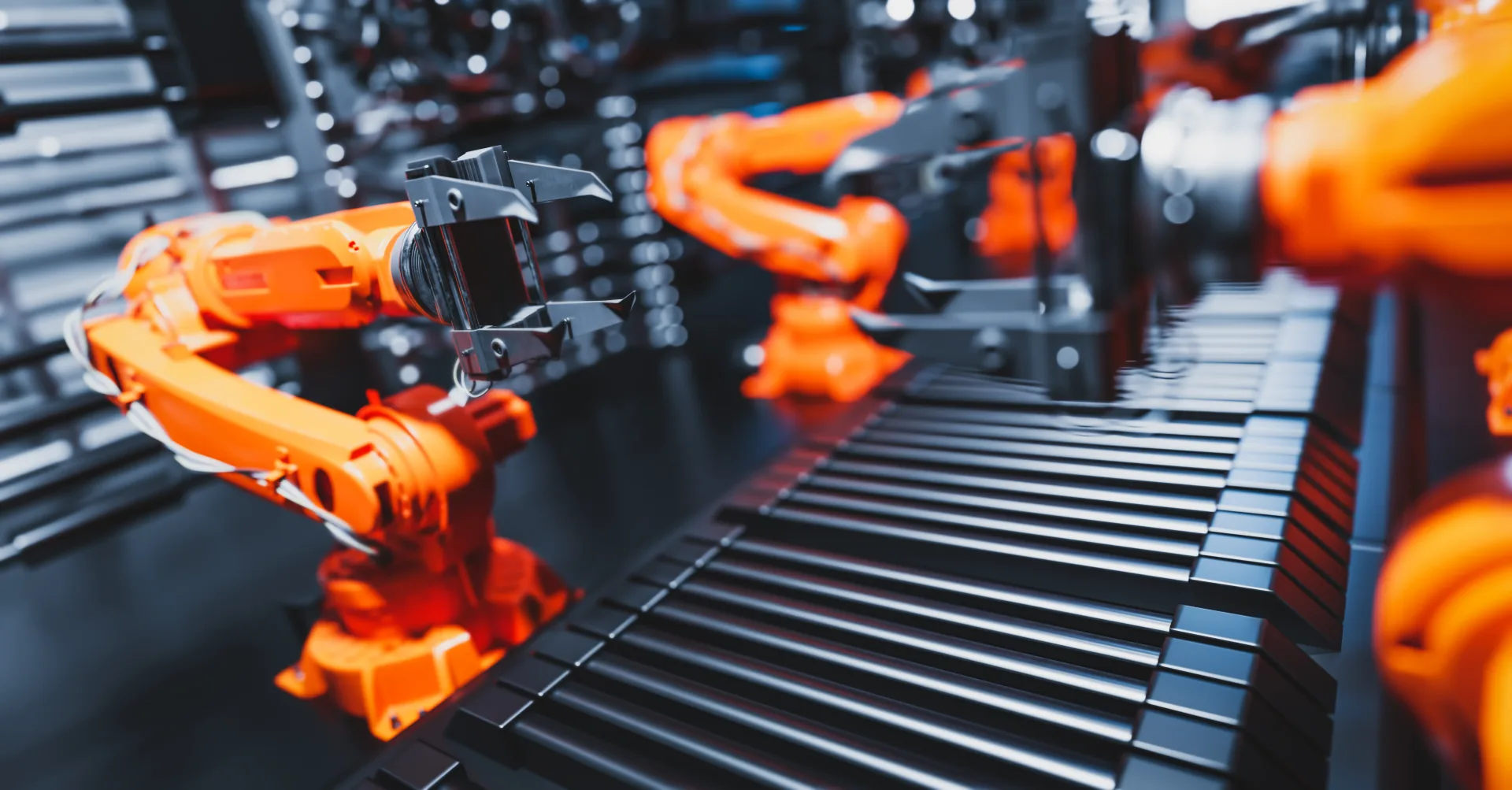
Industry | Showing how a machine works | Making the mechanism inside a closed housing visible |
E-Commerce | 360-degree product display | Producing every colour and variant from a single source |
Architecture | Project presentations | Conveying an unbuilt structure with a sense of space |
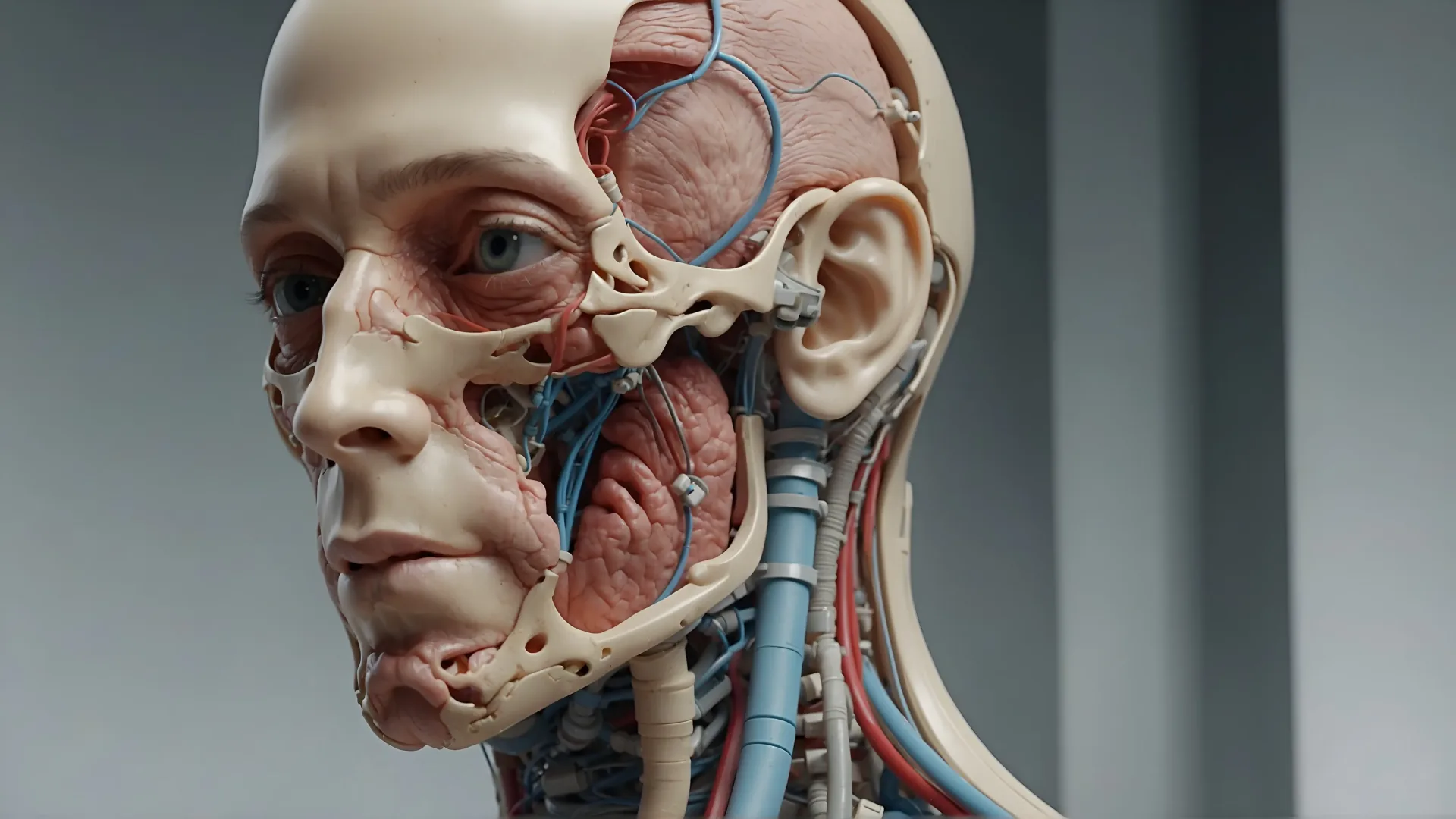
Healthcare | Medical training videos | Showing a cellular-scale process in the correct order |
Education | Technical training and e-learning content | Making an abstract concept tangible in a rewatchable way |
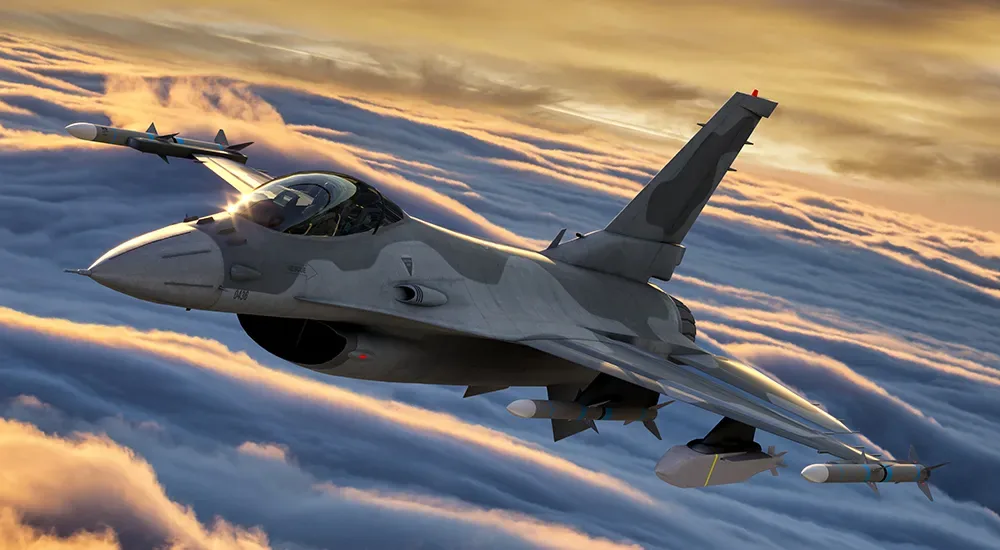
Defence and Aviation | System presentations, operational scenario displays | No need for field footage under confidentiality conditions |
Trade Shows and Exhibitions | Booth screens, interactive presentation set-ups | Being able to show the product on site without physically transporting it |
What Are the Benefits of 3D Animation for Brands?
The return on a 3D animation investment is not just an aesthetic output; it is a measurable acceleration in sales, training and product development processes.
It Makes Complex Products Understandable
Products with a technical or detailed structure can be explained in simple language through animation. This helps your customers understand your product better; the position of the parts relative to each other and their working sequence are grasped far more quickly than from a written catalogue. 3D product animation used in field meetings gives sales teams the ability to deliver the same explanation repeatably to every customer.
It Lets You Produce Impressive, High-Quality Content
3D animations are far more eye-catching than classic promotional visuals. This increases your brand's digital visibility and raises perception. Consistency in lighting, material and camera quality leaves the viewer with an impression of the production discipline behind the product; the same narrative presented with a careless image works in the opposite direction. Over time, this consistency of visual language also becomes a carrier of brand image work.
It Makes a Difference in Presentations and at Trade Shows
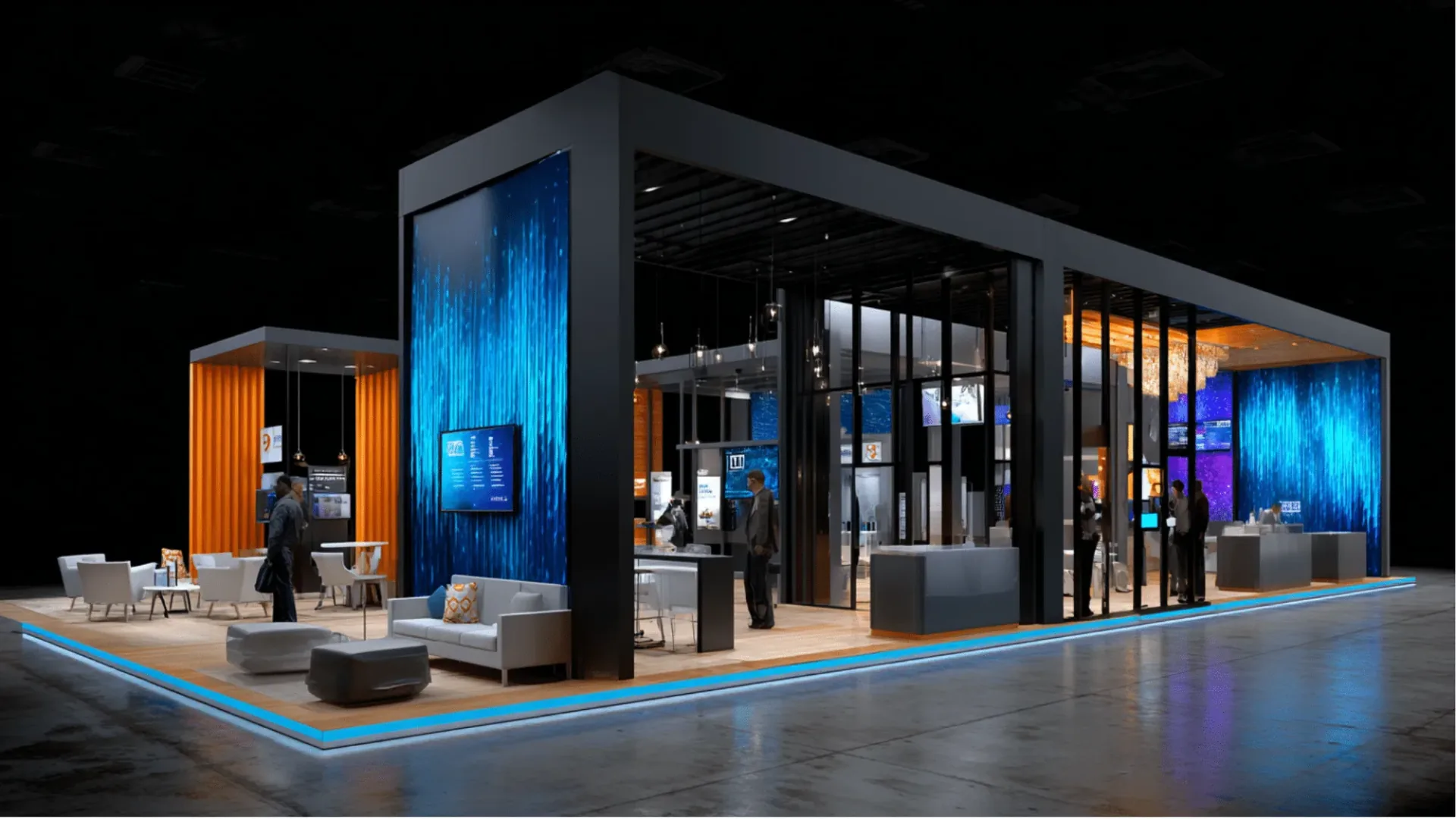
Realistic 3D animations offer an effective digital alternative to transporting a physical product, especially in investor presentations or at trade shows. A machine weighing tons can be explained, together with its cross-section, within minutes on a booth screen. The same approach finds a response in investor presentation set-ups that add visual proof alongside financial tables and in trade show animation solutions adapted to booth screens.
It Boosts Marketing and Advertising Performance
Animated content receives more engagement in social media and advertising campaigns. This contributes to higher conversion rates; Shopify reports that merchants who add three-dimensional content to their stores see an average 94 percent increase in conversions. Being able to multiply the same product with different cross-sections and angles in ad sets also expands the volume of creative testing.
It Reduces Costs in the Product Development Process
3D visuals and animations created before a prototype is produced allow you to get quick feedback during the design process. This means saving time and money; a design problem noticed before any tooling investment is made cannot be compared with the cost of the same problem discovered after production. When the same logic is carried over to the scale of a production line, simulating a factory with 3D animation makes it possible to test layout decisions before the investment is made.
The Power of 3D Animation for SEO and Social Media
An animation placed on a product page lets the visitor see what the product does before they start reading the feature list. The criterion that stands out in Google's guidance on creating helpful content is whether the page genuinely gives visitors what they are looking for. When it comes to a technical product, three-dimensional storytelling delivers that more directly than text could on its own.
The second gain from production is that a single scene can be distributed across multiple channels. From the scene that has been built, a vertical social media format, a booth-screen resolution and a shortened version for the website can be produced from the same source file. This means the content calendar can be fed without having to produce from scratch for each channel.
Factors That Determine a 3D Animation Budget and Schedule
The price range of projects is wide, because cost depends not only on duration but also on the computational load in the scene and the expected level of detail. When getting a 3D animation quote, clarifying the following variables makes the budget and delivery schedule predictable:
Model complexity: The number of parts, the number of moving components and the usability of existing CAD data.
Render quality: The effect of resolution, frame rate and the expectation of photorealism on computing time.
Duration and number of scenes: As much as the total minutes, the number of scene transitions and camera set-ups.
Voice-over and music: The number of languages, the need for subtitles and the scope of sound design.
Revision rounds: The number of approval stages and the stage at which feedback is gathered.
Current 3D animation pricing is shaped by the weight of these items. The choice of voice-over that completes the narrative also directly affects the budget and how many languages the content will be published in.
Tell Your Product Story More Effectively with 3D Animation
3D animation is now a marketing power accessible not only to large companies but to businesses of every size. If you want to present your products or services more effectively, you can make a difference with a professional 3D animation solution. What really matters here is not the size of the investment but which need it responds to. Visualising a mechanism the sales team struggles to explain, presenting a machine that cannot be exhibited at a trade show, or making a process that is explained again and again in training easier to understand are among the needs that 3D animation can solve.
If you would like to visualise your product presentations with 3D animation, a short brief that clarifies the message and the target audience is a sufficient starting point. You can explore our services and get in touch with our team to bring your 3D animation projects to life together.
Frequently Asked Questions About 3D Animation
How long does it take on average to deliver a 3D animation project?
The time varies according to the number of scenes and how ready the models are. A short product animation with ready CAD data can be completed within a few weeks, while multi-scene productions that require modelling from scratch need a longer schedule. The render stage also forms a separate item in the schedule depending on the computational load.
Can my existing CAD or technical drawing files be used directly in 3D animation?
In most cases they can be used, but a direct transfer is rarely enough. Because CAD models are prepared for manufacturing, they can remain heavy and overly detailed in an animation environment. These files are usually simplified, their surface structures are reworked and the material definitions are rebuilt to suit the animation engine.
Who owns the copyright and usage rights in 3D animation projects?
Usage rights are defined in the contract and are expected to be clarified at the start of the project. Usually the right to use the final output is transferred to the brand, while whether the source files created during production will be delivered is treated as a separate clause. If source files are requested, it is best to state this at the outset.
Does a 3D animation investment make sense for a small business?
How difficult the product is to explain is a more decisive criterion than the size of the business. A small manufacturer with a single technical product can gain significant time in sales meetings with a short animation that explains that product. Keeping the scope narrow is the most practical way to keep the budget at a reasonable level.
Blog
All posts→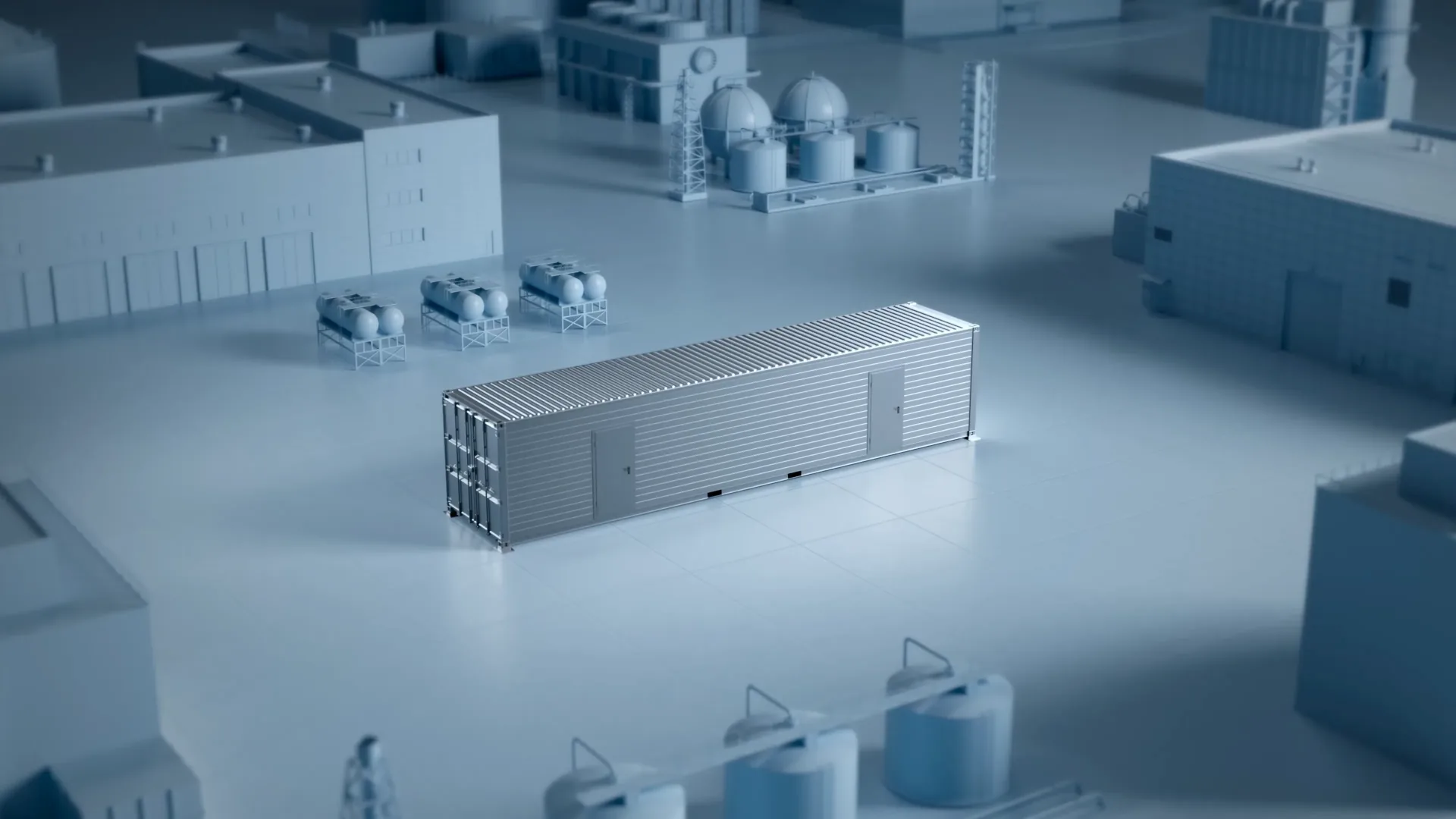
Your next project
Let's build
together.