
AI-assisted, fast and scalable video production
VR experiences for trade shows, events and training
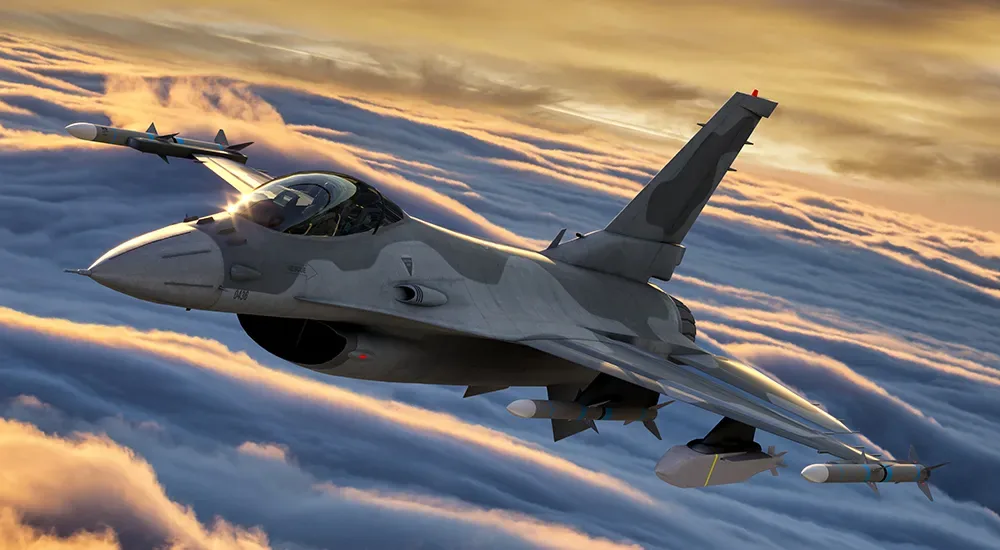
Touchscreen kiosk software and hardware
3D hologram display and stage solutions

What Is Production? A Professional Process Guide from Idea to Delivery
What is production and what do the pre- and post-production stages cover? Discover the end-to-end professional video production guide for B2B brands.

At which stages of the production process does the story a corporate brand wants to tell turn into a tangible piece of work? This guide covers the path from the moment the idea lands on the brief table to the final delivered file, including pre-production planning, production discipline, post-production editing and how methods such as animation, AI and VR enter the decision, from a B2B perspective.
What Is Production and Why Is It a Critical Investment for Corporate Brands?
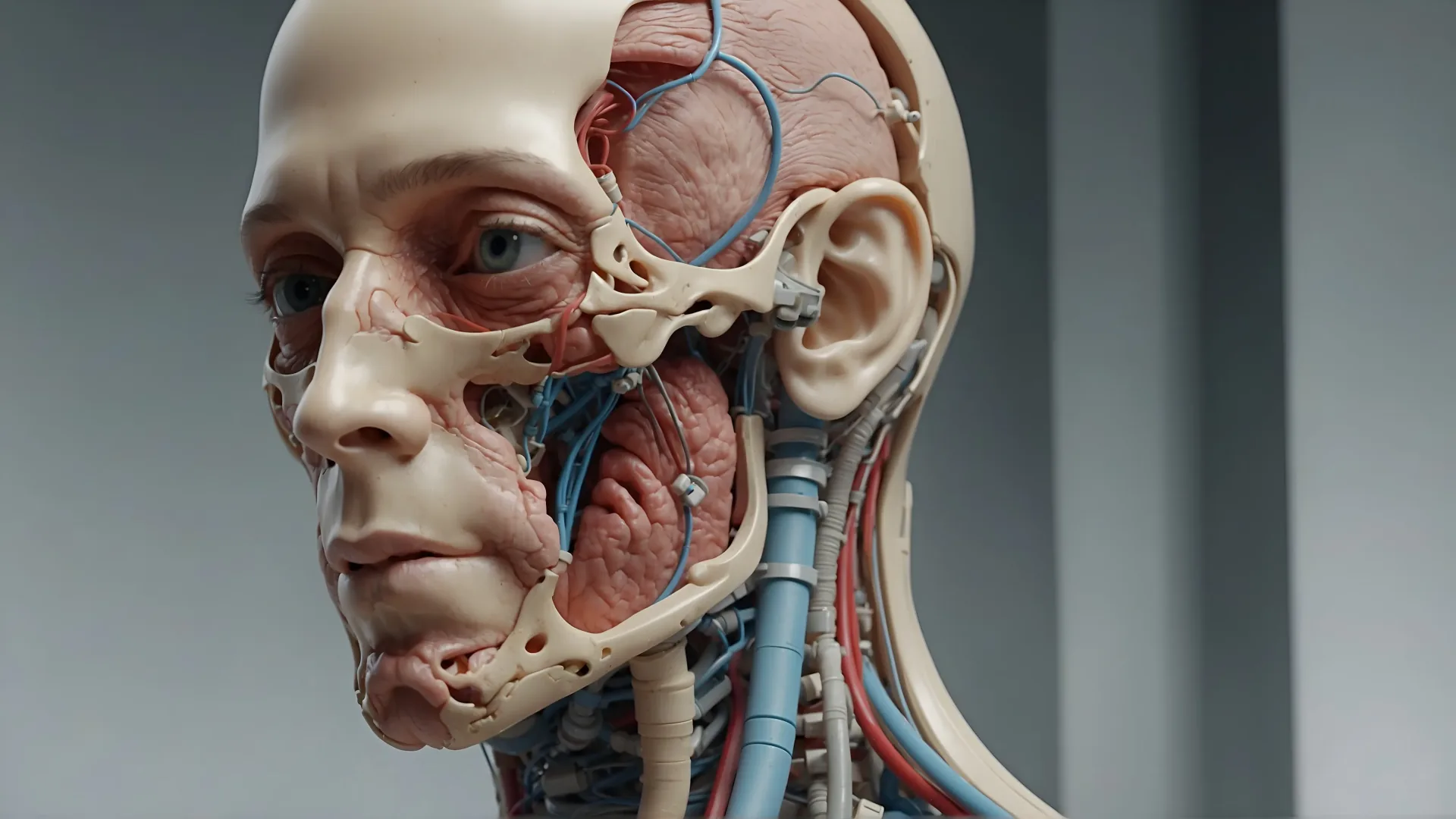
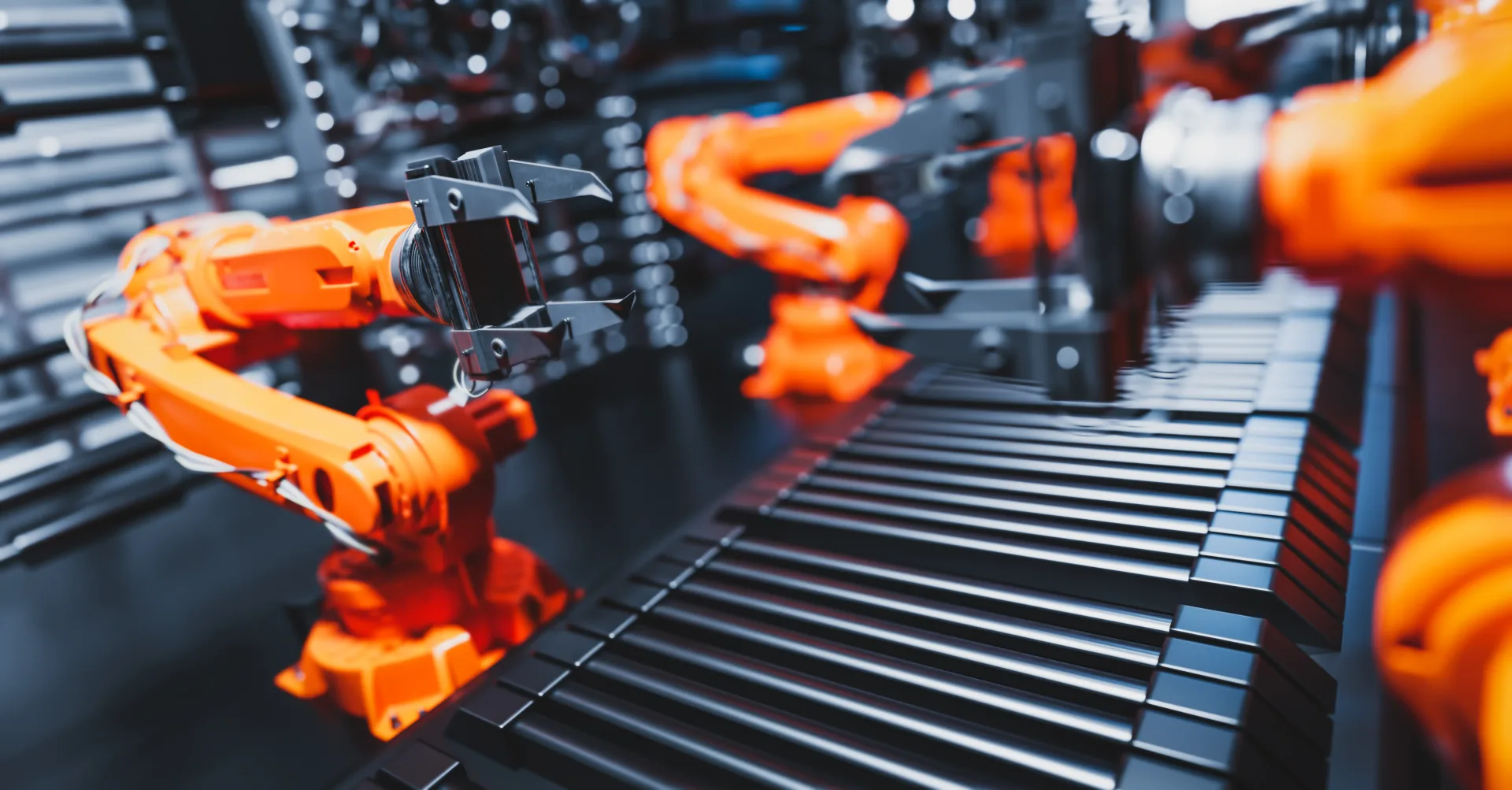
Production describes the full set of planning, production and editing processes needed to turn an idea into a watchable piece. The hours in which footage is produced are only one part of this whole; what really matters is which storytelling tool makes visible what the brand wants to say. The complex flow of a production line finds its expression in 3D animation, a device's effect beneath tissue in medical visualisation, and a sales team's field presentation in an interactive experience. The choice of tool is the strategic, not technical, side of production.
The return on this strategic side is visible in the market too. According to Wyzowl's 2026 report, 91% of businesses use video as a marketing tool and 63% of consumers prefer to watch a short video to learn about a product or service. On the B2B side this preference becomes even sharper, because technical decision-makers want to see what the catalogue cannot explain in order to understand a solution. The investment value of production comes precisely from here: it shortens the sales cycle by making what is hard to explain understandable and lays the groundwork for building brand image consistently.
The 3 Core Stages of Professional Production
The stages of production are not made up of independent jobs; they follow a holistic process in which the output of each stage forms the input of the next. A decision not taken in the preparation stage can lead to cost increases during production and to lost time in the editing stage.
Pre-Production (Preparation Before Production)
Pre-production is the stage where most of the work takes shape before any visible production begins. The brand's goal, target audience, distribution channel and success metrics become clear at this stage; the script and storyboard form the visual counterpart of the decisions made. In corporate processes, predictability matters as much as the creative idea. Which approval will be obtained when, the scope of revisions and the assumptions the delivery schedule rests on are set from the outset. The core outputs of this stage usually consist of the following documents:
Brief and objective document: The goal of the work, the message hierarchy and the channels where it will be published
Script and voice-over text: The length, tone and technical terminology of the narrative
Storyboard or animatic: Scene-by-scene visual flow and camera approach
Production schedule: Production, interim review, revision and delivery dates
Technical sheet: Resolution, format, aspect ratio and channel-based output list
On the animation side this preparation goes a step deeper, because scene design is created not with a camera but in a software environment. Stages such as the references, modelling and previsualisation to be used in 3D animation are planned in this process.
Production (Shooting and Creation)
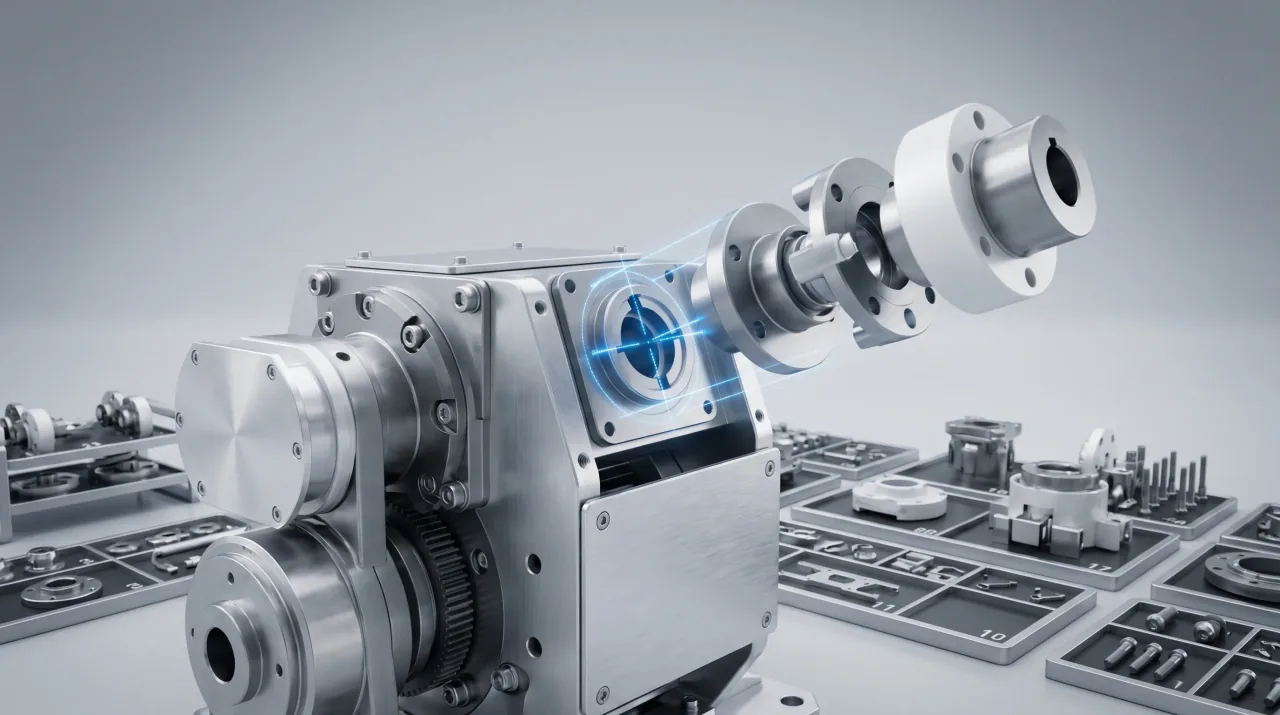
The production stage is where the approved plan turns into images. In an animation studio, this process moves through modelling, texturing, rigging, virtual camera placement, lighting set-up and rendering; each scene is produced in line with the duration and message hierarchy defined in the storyboard. Technical accuracy is a separate checkpoint here, because when the working principle of a machine or the mechanism of action of a device is visualised incorrectly, the error is fixed not in the edit but by producing it again.
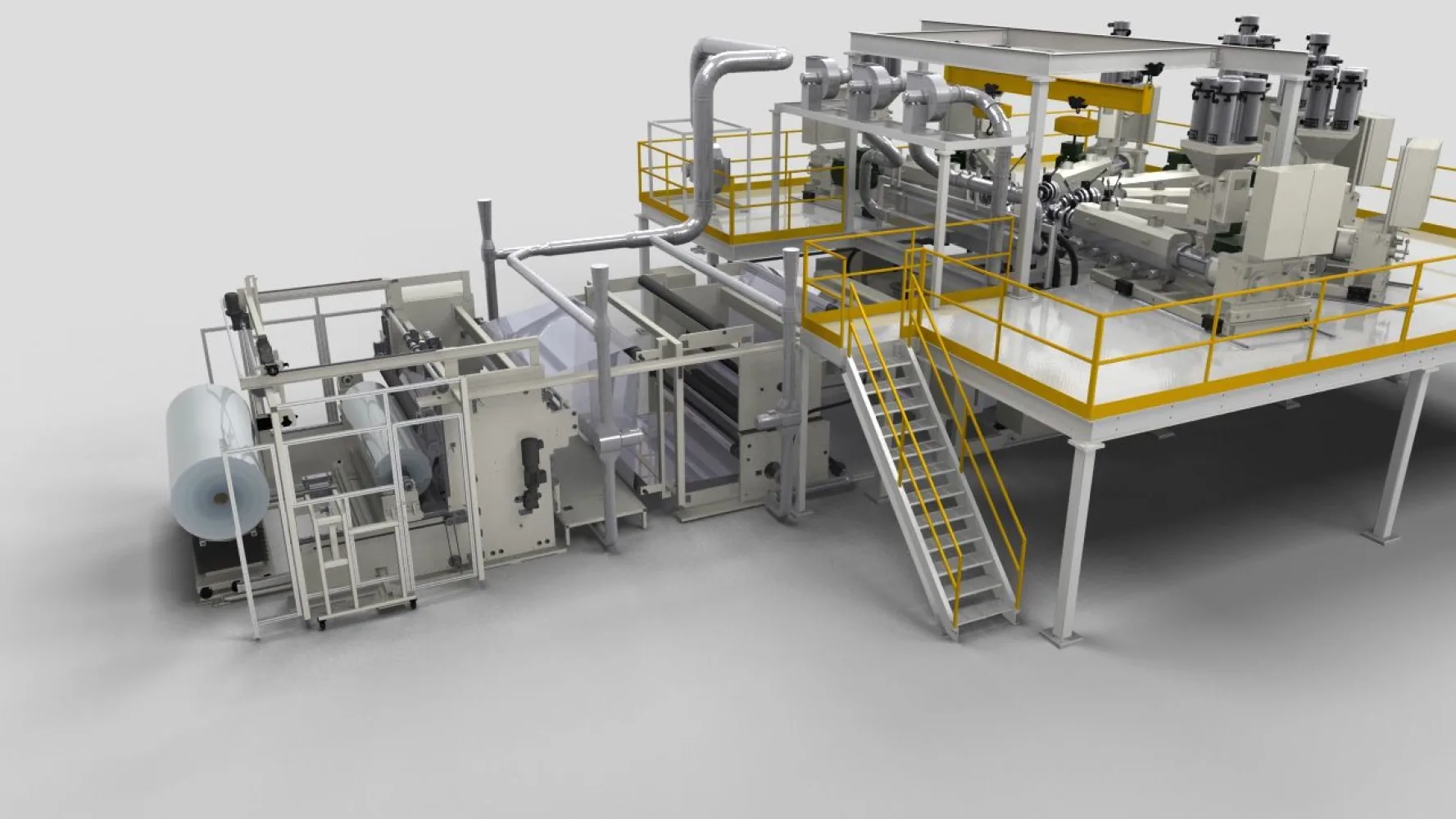
The production method is determined entirely by the subject to be explained: a machine whose cross-section must be visible is explained with industrial animation, and a mechanism of action at cellular level with medical animation. In restricted-access areas such as factories, hospitals or defence facilities, digital scene production offers an additional advantage. A process that cannot be shown because of confidentiality protocols or site conditions becomes viewable through a scene built in software.
Post-Production (After Production and Editing)
Post-production is the stage where the produced material gains meaning. Editing rhythm determines the pace at which the message is delivered, colour grading the brand's visual tone, and VFX layers the level of information added to the image. Voice-over, music and sound design come together at the same table; in a technical explanation, the clarity of sound is as decisive as the resolution of the image.
The commercial value of quality perception also takes shape here. According to Wyzowl data, 89% of consumers say video quality affects how much they trust a brand. Whether the same raw material becomes ordinary through careless editing or turns into a corporate piece through meticulous post-production is therefore seen less as a budget item and more as a matter of reputation.
You can find the details of this stage in our article What Is Post-Production? Stages and Comprehensive Guide.
Production Solutions Created for Corporate Brands
Production output is not limited to a single format; the nature of the need determines the production method and the display environment. An investor presentation and an experience area on a trade fair stand build the same brand story with entirely different tools. The solutions corporate brands commonly produce can be grouped under these headings:
Corporate promotional film: A production that brings the company's manufacturing strength, culture and references together in a single narrative
Product and 3D product animation: Content that reveals how products that are hard to demonstrate in the field work
Medical and industrial visualisation: Technical explanations at device, molecule or process level
AI-assisted video production: Accelerated production for short-cycle campaigns and multilingual variations
VR and AR applications: Facility tours, training simulations and interactive product experiences
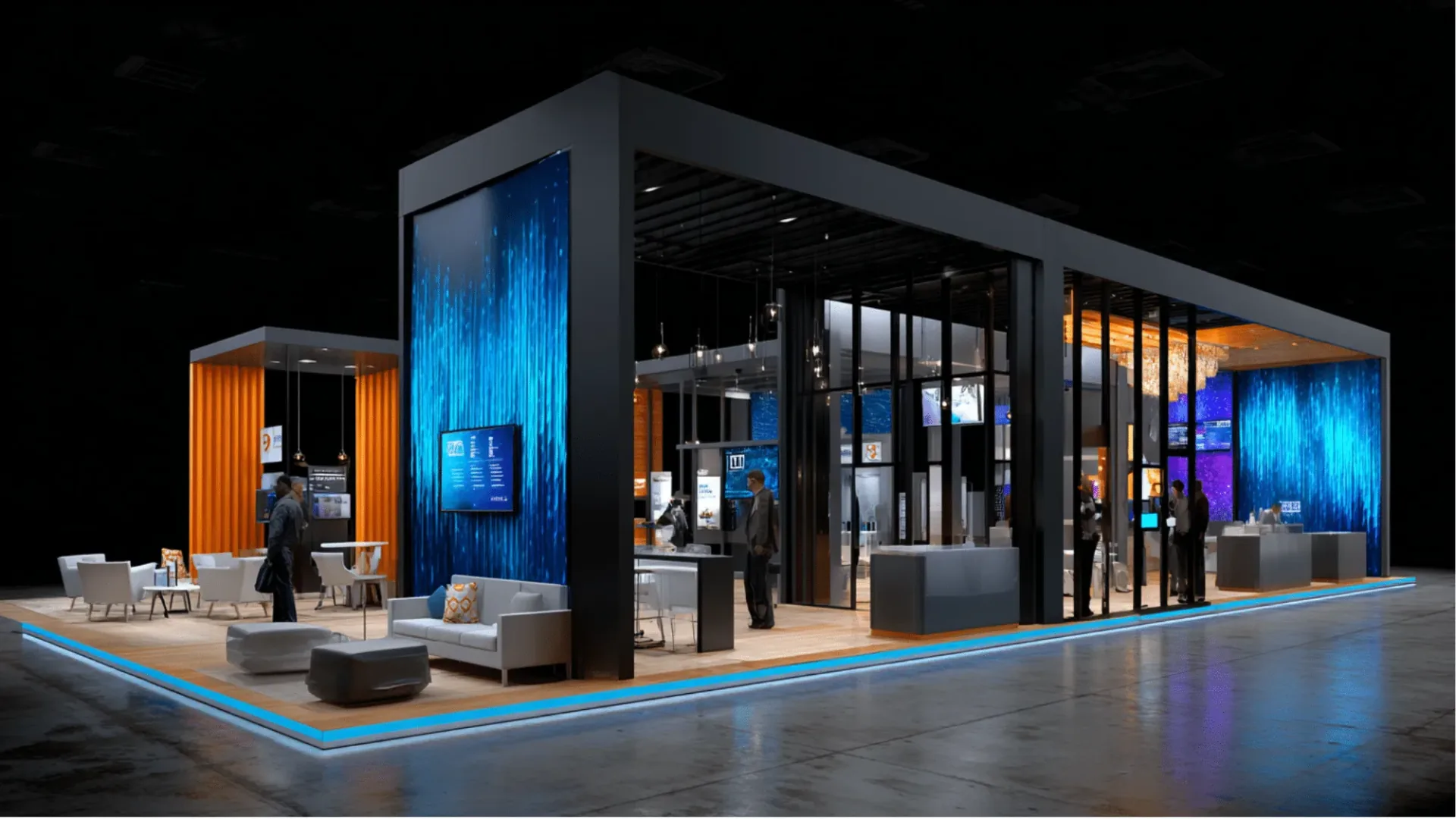
LED display and anamorphic content: Display scenarios set up in showrooms, launches and trade fair areas
When these solutions feed one another, the real return on production emerges. When 3D scenes produced for a corporate film are adapted within the same season for a trade fair screen, a sales presentation and training content, the production cost turns not into a one-off expense but into a right of multiple use.
How to Choose the Right Production Agency?
Another criterion as decisive as the portfolio when choosing an agency is how many separate suppliers the work is split between. In set-ups where one team handles the script, another studio the animation and a third company the screen installation, lines of responsibility blur and revision requests dissolve in the coordination between them. The table below compares a video production agency offering end-to-end service under one roof with the fragmented supplier model across the core criteria.
Criterion | End-to-End Agency Under One Roof | Fragmented Supplier Model |
Process ownership | One contact, one schedule and one chain of responsibility | A separate contact and separate contract at every stage |
Brand language consistency | Colour, typography and tone are preserved across all outputs | Visual language varies as suppliers change |
Technology range | 3D animation, AI, VR and LED are brought together in the same team | A search for a new supplier for each technology |
Revision management | Feedback reaches the production team directly | Requests are passed on through intermediaries |
Schedule risk | Transitions between stages proceed as planned | One delay pushes back the whole chain |
Cost predictability | Integrated quote and clear scope definition | Out-of-scope items appear later |
Another question worth asking when choosing is whether the agency has worked in a similar sector. In fields such as defence, medical or heavy industry, command of the terminology directly reduces the number of script rounds.
ADIM applies this model by bringing its 3D animation studio, AI-assisted video production and experience technologies such as VR, touchscreen kiosks and LED displays together in one team. Because corporate promotional films, medical and industrial visualisation or trade fair content come out of the same planning table, brand language is preserved across all outputs in corporate projects and revision requests reach the production team without intermediaries. Whether the need is a single promotional film or a content set to be used throughout a season, the process starts with a brief meeting where the goal, channel and schedule are clarified. For more information, you can get in touch with ADIM.
Frequently Asked Questions About Production
What exactly does a production company do?
A production company takes on all production responsibility for a project, from the creative concept to the delivery files. Script writing, storyboard design, scene production, editing, colour grading, sound design and channel-based output preparation fall within this scope. In corporate projects, managing confidentiality agreements, technical verification rounds and the internal approval flow are also among the company's obligations.
How long does a corporate promotional film production take on average?
Duration varies with the complexity of the scope and the speed of approval cycles. A short corporate film made up of limited scenes can be completed in a few weeks, while projects involving multi-scene 3D production, detailed technical visualisation or multilingual voice-over extend over several months. The variable that affects the schedule most is usually not production but how long script and edit approvals take on the brand side.
What are the key factors that affect a production budget?
The main items that determine the budget are total duration, number of scenes, production method and the desired level of technical detail. Modelling complexity, render load and whether reference material is ready also directly affect the amount; sharing existing CAD or technical drawing files noticeably shortens production time. Voice-over language, music licensing and additional channel-based formats are also among the items that change the total.
Why do B2B brands need professional production?
B2B sales processes are long, technical and involve many people. Before reaching the decision table, a proposal has to pass through stakeholders with different expectations, such as purchasing, engineering and management. A professional production reduces the burden of repeated presentations by delivering the same narrative consistently to all these stakeholders and prevents technical superiority from getting lost in verbal explanation.
At which stages of the production process does the brand give approval?
In a standard flow, approval points are grouped under four headings: script, storyboard, first cut and final delivery. In animation projects, interim checks such as previsualisation and colour testing are added. Defining approval points in the contract by number and scope both clarifies revision expectations and keeps the delivery schedule predictable.
Blog
All posts→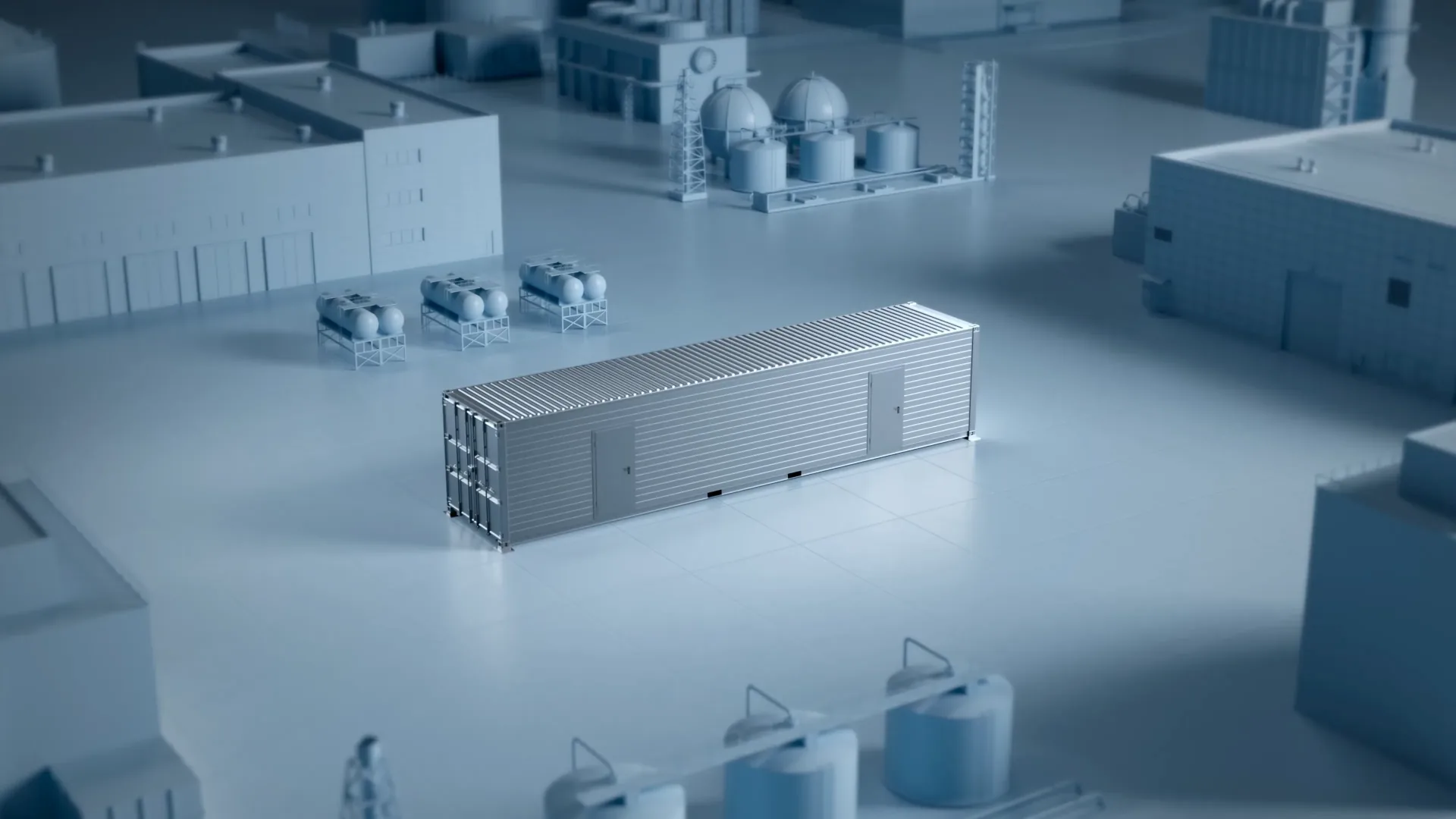
Your next project
Let's build
together.