
AI-assisted, fast and scalable video production
VR experiences for trade shows, events and training
Touchscreen kiosk software and hardware
3D hologram display and stage solutions




What Is Brand Image and How Is It Built?
What is brand image and how is it built in B2B companies? Explore strategies for strengthening your brand perception with corporate films and 3D animations.
Brand image is the unseen reason behind the tenders most B2B companies lose at the procurement table. When a high-budget investment decision is being made, the sense of trust that forms in professionals' minds is shaped by brand perception before the technical specification. This article covers how to turn your corporate identity into lasting prestige through visual communication and how to get ahead in the areas your competitors overlook.
What Is Brand Image?
Brand image is not how your company describes itself, but the total impression it leaves in the customer's mind. An engineer choosing a supplier, or an executive approving a production budget, may perceive your brand as trustworthy, innovative or ordinary the moment they see your logo. That feeling is the result of the perception your advertising, presentations, trade show stand and technical content have built up over the years. In short, brand image is not what you say; it is what the other side remembers. According to Edelman's research, brand trust has become a deciding factor in 81 percent of purchasing decisions, which shows that perception directly touches revenue.
In B2B, brand image works on a different logic than in the consumer market. The decision-maker usually chooses not on their own behalf but on behalf of the organisation they represent, putting a significant budget at risk. For that reason, brand image is less about the seller's technical competence and more the silent answer to the question "Will my professional reputation be safe if I work with this company?" A strong brand perception eases that risk for the decision-maker. A company that leaves an ordinary impression drops to the bottom of the shortlist, however superior its product may be. Brand image is therefore the invisible yet most decisive layer of the purchasing process.
The Difference Between Brand Identity and Brand Image
Corporate identity and brand perception are often confused with one another. Yet the alignment between these two concepts directly affects how the brand is perceived. Corporate identity refers to the full set of elements the brand controls: logo, colour palette, tone of voice and corporate communication materials.
Brand image, on the other hand, is how those elements land in customers' minds. As the alignment between the two grows stronger, the brand is perceived as more consistent and trustworthy; when the gap widens, the message the brand gives and the impression it creates drift apart and trust can be damaged.
In practice, this distinction reveals a fact most companies overlook: the budget spent on corporate identity does not, on its own, guarantee a positive brand perception.
When a company with a flawless logo and a carefully chosen colour palette behaves inconsistently in its delivery processes or customer communication, the impression formed in people's minds contradicts the promise of the design. Conversely, a company whose visual identity is modest but which inspires the same trust at every touchpoint gains a far stronger position over time. Brand value therefore grows in direct proportion to how solidly this alignment between identity and perception is built. The table below shows the axes along which the two concepts diverge:
Criterion | Brand Identity (Corporate Identity) | Brand Image (Brand Perception) |
Source | Created by the company itself | Formed in the customer's mind |
Control | Under the company's direct control | Shaped indirectly, through experience |
Timing | Designed before the presentation | Accumulates after the interaction |
Nature | The sum of visual and verbal assets | An emotional and cognitive impression |
Measurement | Audited against the brand guidelines | Measured through surveys, feedback and reputation |
If corporate identity is an output, brand image is the echo that output creates in the customer. Companies often spend their energy on identity design alone; the real difference, however, lies in turning that identity into a positive perception by backing it with consistent experiences. The stronger the alignment between the two layers, the more predictable and trustworthy the brand is found to be.
How Do You Build a Strong Brand Image?
A strong brand perception is built not with a single campaign but through the accumulation of consistent promises kept at every touchpoint. For B2B companies this process requires a longer trust cycle than it does for consumer brands, because the professionals making the decision usually go through more than one evaluation stage. Brand image building strategies deliver concrete results when the steps below are applied systematically. What these steps have in common is that they turn brand value from an abstract promise into a provable experience:
Identifying what your target audience truly values and building your message around that value
Applying a consistent corporate identity across all visual assets, from the logo to the presentation template
Demonstrating your technical competence with tangible proof rather than abstract promises
Ensuring consistency of expectations by maintaining the same quality and tone in every customer interaction
Reinforcing your authority in your sector with expert content and references
Turning visual communication into a prestige tool that makes complex products and processes understandable
Establishing brand consistency through these steps turns into a measurable return beyond reputation. According to Marq's research, consistent brand presentation is associated with a 10 to 20 percent increase in overall growth, which shows that perception management has a direct effect on business results. Maintaining the same brand image at every touchpoint raises the trust threshold in the decision-maker's mind and shortens the purchasing process.
None of these steps is a one-off exercise. What really matters is that all of them are carried out simultaneously, in a way that supports one another. Excellence shown in a single area is easily overshadowed by inconsistency in the others. When examples of strong brand image are examined, the common thread is not a striking campaign but a discipline of consistency sustained over years. When the language on a company's website, the visual tone of its presentation deck and the experience at its trade show stand all reflect the same character, it reinforces the impression in the decision-maker that "this organisation knows what it is doing."
Using the Power of Visual Communication
In B2B sales processes, being able to show what a brochure cannot explain is a privilege that directly touches brand value. Visualising the inner workings of a complex machine or the flow of a production line, rather than describing them in words, reduces the other side's cognitive load and moves your brand from one that "tells" to one that "shows."

Solutions such as industrial animation raise perception by turning technical depth into a prestigious presentation. As the quality of the visual increases, so does the competence the viewer attributes to the brand. For this reason, visual communication is not an expense but an investment in brand image. In an investor presentation or a tender evaluation, the company that can explain the internal structure of its product with a fluent visual moves a step ahead of the competitor trying to convey the same information with text and tables. That is because the decision-maker finds content they did not have to struggle to understand more trustworthy, and that trust reflects directly on the brand.
The contribution of visual communication to brand value is not limited to clarity; it also reflects the company's confidence in itself. A brand that can show a product from every angle without hesitation sends the message that it has no flaw to hide. That transparency becomes a decisive element of trust in long-term supply relationships. The prestige carried by the visual leads the decision-maker to position the company not merely as a vendor but as a solution partner in command of the entire process.
The Role of Corporate Films and Animations
A professional corporate film is one of the most effective tools for positioning a brand as innovative and trustworthy in its sector. When a medical or industrial company presents its product with fluent editing and the right narrative, the perception of "an organisation that knows its business" forms in the viewer's mind. Promotional film and animation solutions turn engineering achievements that would otherwise remain abstract into a tangible and memorable story. Especially in fields that demand precision, such as medical animation, the right production makes the brand's scientific seriousness visible.
The power of this content comes from the fact that it is not confined to a single channel. A well-prepared production carries the same prestigious language at every point, from the sales team's presentation to the website, from the trade show stand to the social media post, and consistently reproduces the character of the brand. The strongest way for a brand to prove its innovativeness is to present its capabilities through professional visual storytelling. While most competitors settle for dry technical documents, the company that can build its story visually earns a far more lasting place in the decision-maker's memory. In this way, brand image is reinforced with an impression of competence capable of meeting the sector's most demanding expectations.
Managing Brand Image at Trade Shows and Events
Trade shows and events are where brand perception is tested live and shaped within seconds. The first impression a visitor gets as they approach your stand often sets the tone of the purchasing process. Experience technologies set the brand apart from its competitors at that first contact and move it into a leading position. The main technologies that raise brand perception in a trade show environment are:
LED screens make the stand noticeable from a distance, emphasising the brand's visibility and scale.
Hologram applications display the product beyond physical limits, leaving an innovative impression.
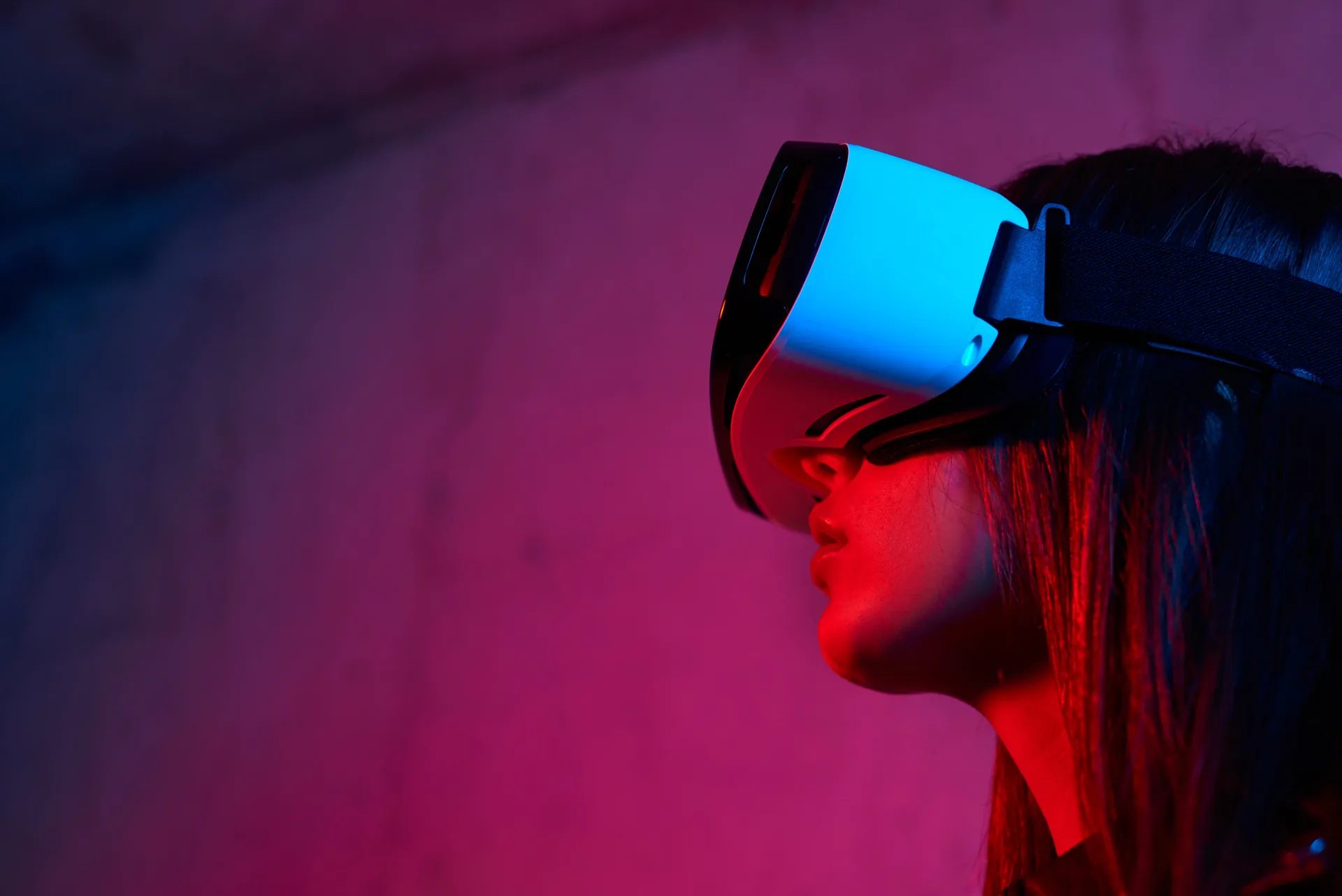
VR and AR experiences bring an overseas facility or an enormous product right in front of the visitor.
Touchscreen kiosk solutions extend the time the visitor spends interacting with the brand, increasing memorability.
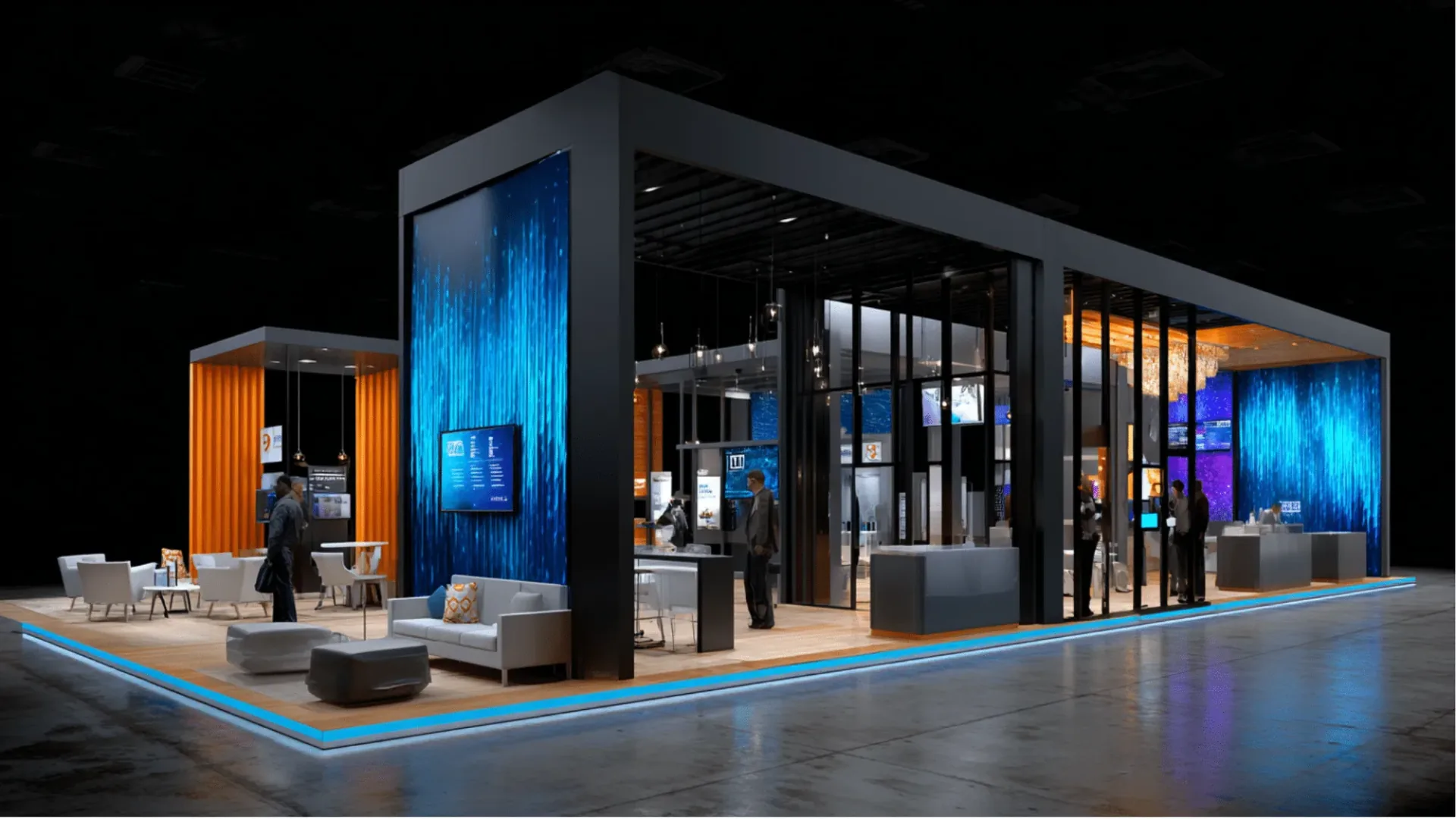
The integrated use of these technologies positions the brand in the trade show and exhibition environment not merely as a participant but as a player that sets the sector's agenda. When the visitor's first contact with the brand turns into a lived impression rather than a technical product catalogue, the space the brand occupies in memory expands as well. This perception, which continues after the show, often influences decision processes for far longer than the acceptance of the first offer.
Frequently Asked Questions About Brand Image
What is the relationship between brand image and brand value?
Brand image is the perception in the customer's mind. Brand value is the financial and strategic return that perception brings to the business. A strong and consistent image increases the trust the customer places in the brand, and over time that trust turns into pricing power, customer loyalty and negotiating advantage. In other words, image is the invisible foundation of value. When perception weakens, brand value suffers too. As perception strengthens, the company can offer the same product with greater prestige.
What should B2B companies do to strengthen their brand image?
For B2B companies, brand image grows stronger when technical competence is made visible. When addressing decision-makers, demonstrating expertise with tangible proof, applying a consistent corporate identity and presenting complex processes with clear visuals all stand out. References, sector-specific content and professional productions reinforce that trust. In long sales cycles, the brand maintaining the same seriousness at every touchpoint is the most reliable way to stand out from competitors.
How do you fix a poor brand image?
Repairing a damaged brand image begins with addressing the root cause of the problem transparently. First, it is necessary to identify, through feedback, where and why the perception broke down. It is then important to realign the tone of communication, the visual identity and the customer experience consistently. The correction process moves forward not with quick promises but with sustained, tangible behaviour. Once trust has been shaken, rebuilding it demands a longer discipline of consistency than earning it the first time did.
What is the impact of trade shows and events on brand image?
Trade shows are rare environments where a brand is evaluated side by side with its competitors on the same ground. The visitor compares several companies in a short time, and the stand that is remembered most is often the one that leaves the strongest visual impression. A presentation supported by experience technologies makes the brand look innovative and self-assured. The impression left in this environment turns into a lasting perception that continues to steer the purchasing process after the event is over.
Does visual quality have a direct effect on brand perception?
Yes, there is a direct link between visual quality and brand perception. The viewer unconsciously attributes the quality of the visual they encounter to the brand's overall competence. A low-resolution or careless presentation leads to a loss of trust, however superior the product may be. Content with high production value, on the other hand, reflects the brand's attention to detail and its professionalism. For this reason, visual quality is not an aesthetic preference but a strategic element that determines brand perception.
Blog
All posts→

Your next project
Let's build
together.