
AI-assisted, fast and scalable video production
VR experiences for trade shows, events and training
Touchscreen kiosk software and hardware
3D hologram display and stage solutions



What Is Post-Production? Stages and a Comprehensive Guide
What is post-production and what are its stages? Discover the importance of video editing, colour and sound design in corporate films.
When post-production is mentioned, what comes to mind is the most decisive stage in video production for corporate, industrial and medical brands. This process, in which raw footage and 3D models turn into a brand's story, is where editing, colour grading and sound design come together. In this guide, we cover the stages under one roof and detail the value a professional production adds to corporate projects.
What Is Post-Production?
Post-production is the production stage that begins once shooting is complete and turns raw footage into a work that is ready for release. It can be thought of as the kitchen of video production; the final quality the viewer sees is largely shaped here.
For corporate brands, this stage is the point at which scattered pieces of footage gain a coherent narrative, an aesthetic that fits the brand identity and a fluent rhythm. Explaining a production line in the right order in a factory promotional film, or simplifying a complex process in a piece of medical content, depends entirely on the quality of this stage. Post-production is therefore not a technical finishing step but the main narrative layer that carries the brand's message to the viewer.
The Hidden Hero of Video Production
Raw footage captured on camera or 3D models created on a computer carry no meaning on their own. The layer that connects these pieces and gives them a beginning and an end is post-production. The viewer is usually unaware of this effort. A well-made edit does not draw attention to itself; it simply makes the story flow. In an industrial animation project where a complex production process is translated into a simple visual language, or in a product promotion where the internal structure of the product is presented clearly, what you see is the result of this meticulous work that never appears on screen. The professional impression a brand leaves on the viewer mostly arises from this invisible layer.
What Are the Stages of Post-Production?
The stages of post-production are links that follow one another, each of which directly affects the final quality. Because the decisions made in one step determine the limits and possibilities of the next, the process needs to be run according to an integrated plan. In corporate projects, staying faithful to this sequence prevents lost time and safeguards the consistency of the final output. The main steps the footage goes through before a brand's video is released are:
Editing and assembly: Sorting through the raw footage and combining it according to the rhythm of the narrative.
Colour grading: Giving the footage a colour tone that fits the brand identity.
Visual effects (VFX): Digitally revealing details that are difficult to show in reality.
Sound design: Bringing voice-over, music and effects together in a balanced soundscape.
Final output and delivery: Preparing the video in a format suited to the platform on which it will be published.
Because each of these stages determines the quality of the next step, they call for a sequential and meticulous approach.
Editing and Assembly
Editing is the process of selecting what is meaningful from tens of minutes of raw footage and combining it within a rhythm. In a factory promotional film, the viewer's ability to follow along without losing the thread as the production line advances step by step depends on the right scene transitions and a balanced tempo. A shot held for too long is distracting, while a rushed transition causes the message to be lost. For this reason, editing is not merely lining up footage side by side; it is placing the story the brand wants to tell into a logical flow.
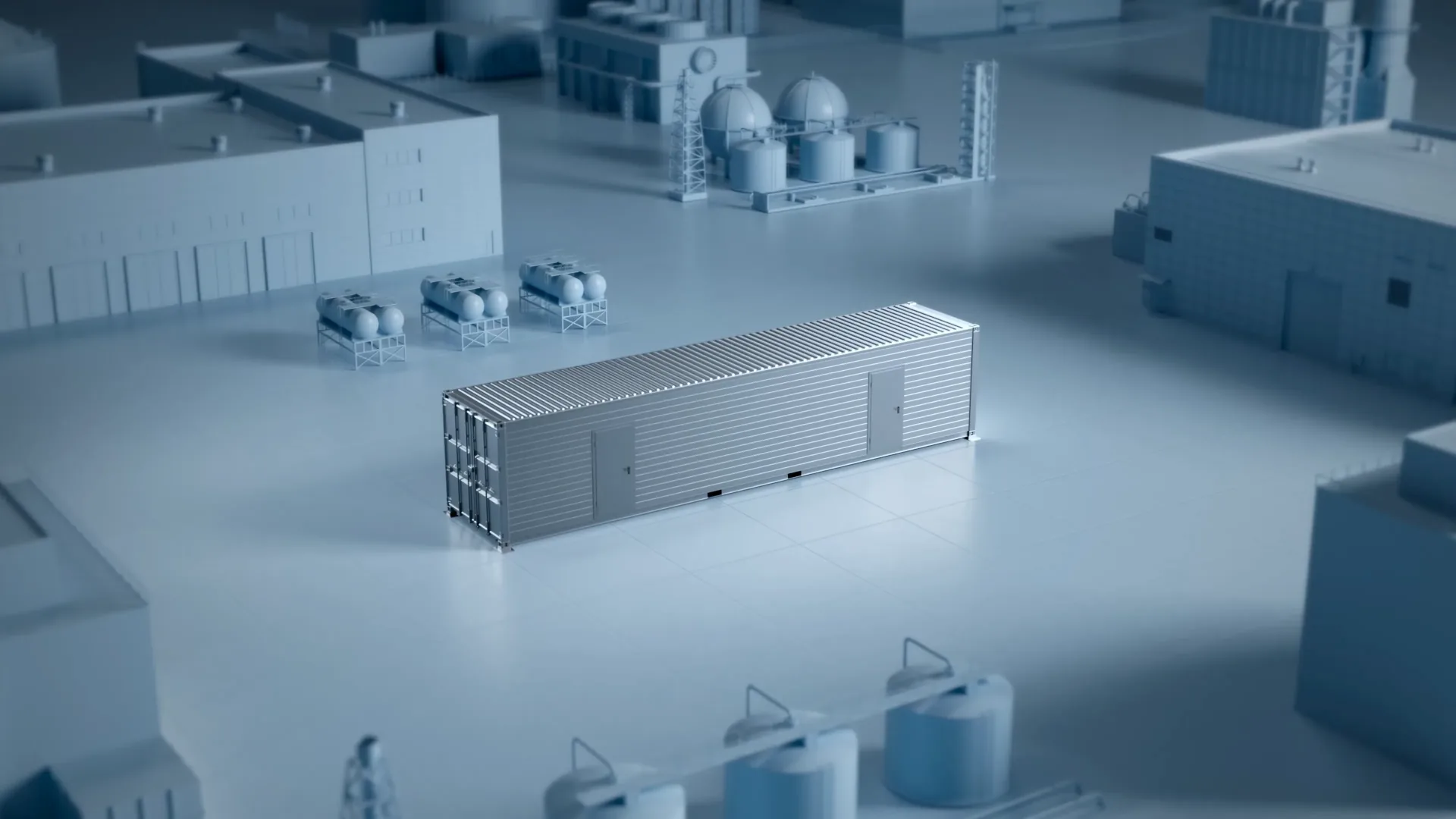
In corporate projects, this stage often requires the skill to turn material coming from different shooting days or from animation scenes into a single, cohesive work. In a promotional film, a 3D scene that follows live-action footage feels disconnected to the viewer without the right timing. A good edit makes these pieces from different sources speak the same language. The viewer thus follows the narrative without thinking about which footage the message came from. The real success of the edit lies in building this unity without the viewer ever noticing it.
Colour Grading
Colour grading is the stage at which raw footage is given a visual language that suits the brand identity and the emotional tone of the video. The same scene can carry a technological feel with cool, blue tones, while leaving a warmer, more approachable impression with warm tones. For corporate brands, the key point here is consistency. Maintaining the same colour palette across different scenes and different videos ensures that the brand image gains a firm place in the viewer's mind.
This stage is not only an aesthetic touch but also a brand discipline. Deliberately reflecting the corporate identity colours in the footage plays a decisive role in the video being perceived as professional. A metallic surface appearing in the right tone in a product video, or tissues being rendered realistically in a piece of medical content, depends directly on the success of the colour grade. Content that lacks colour consistency runs the risk of leaving an amateur impression even when it is technically flawless, and can damage the perception of trust the brand has carefully built.
Visual Effects (VFX) and Sound Design
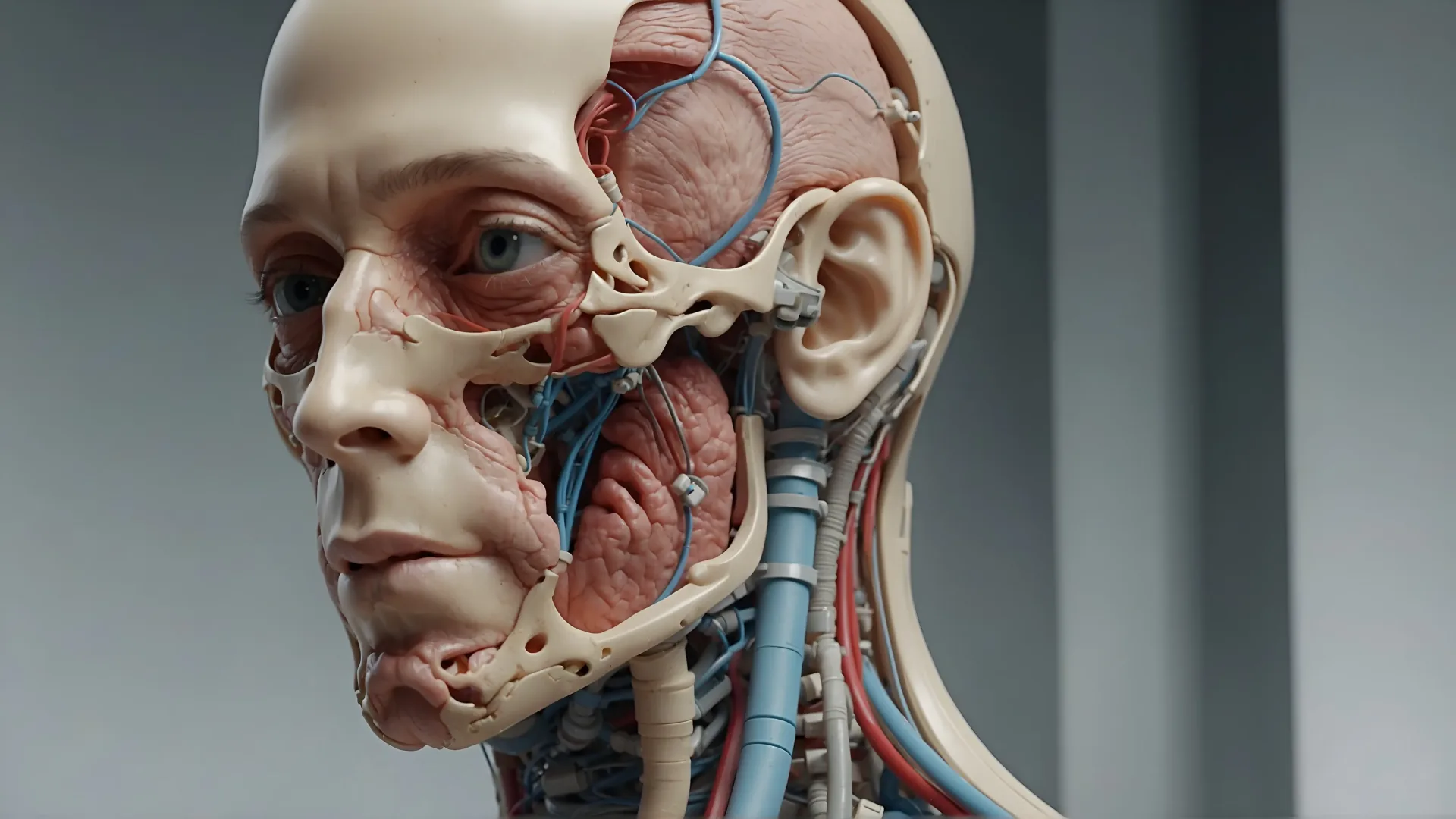
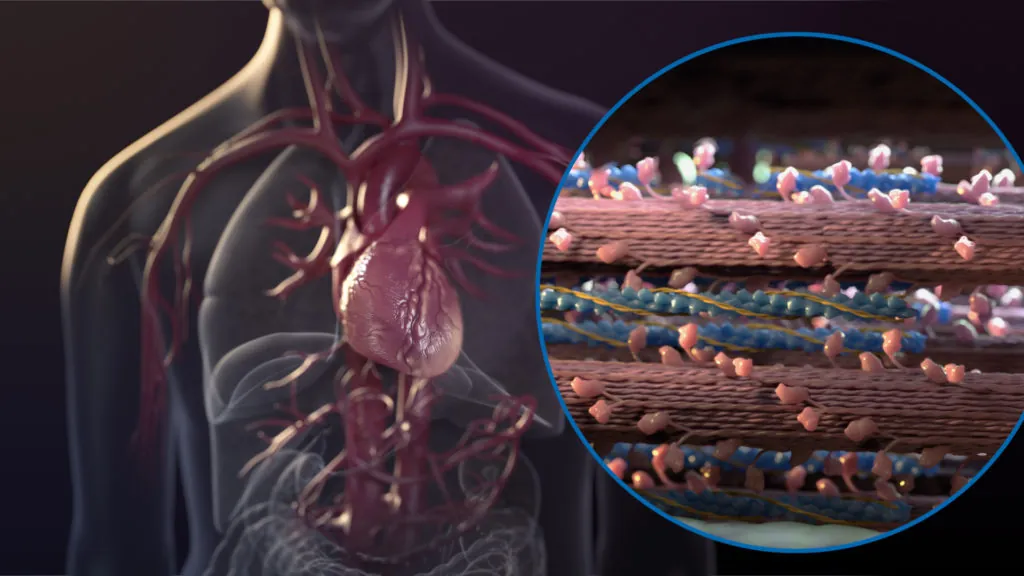
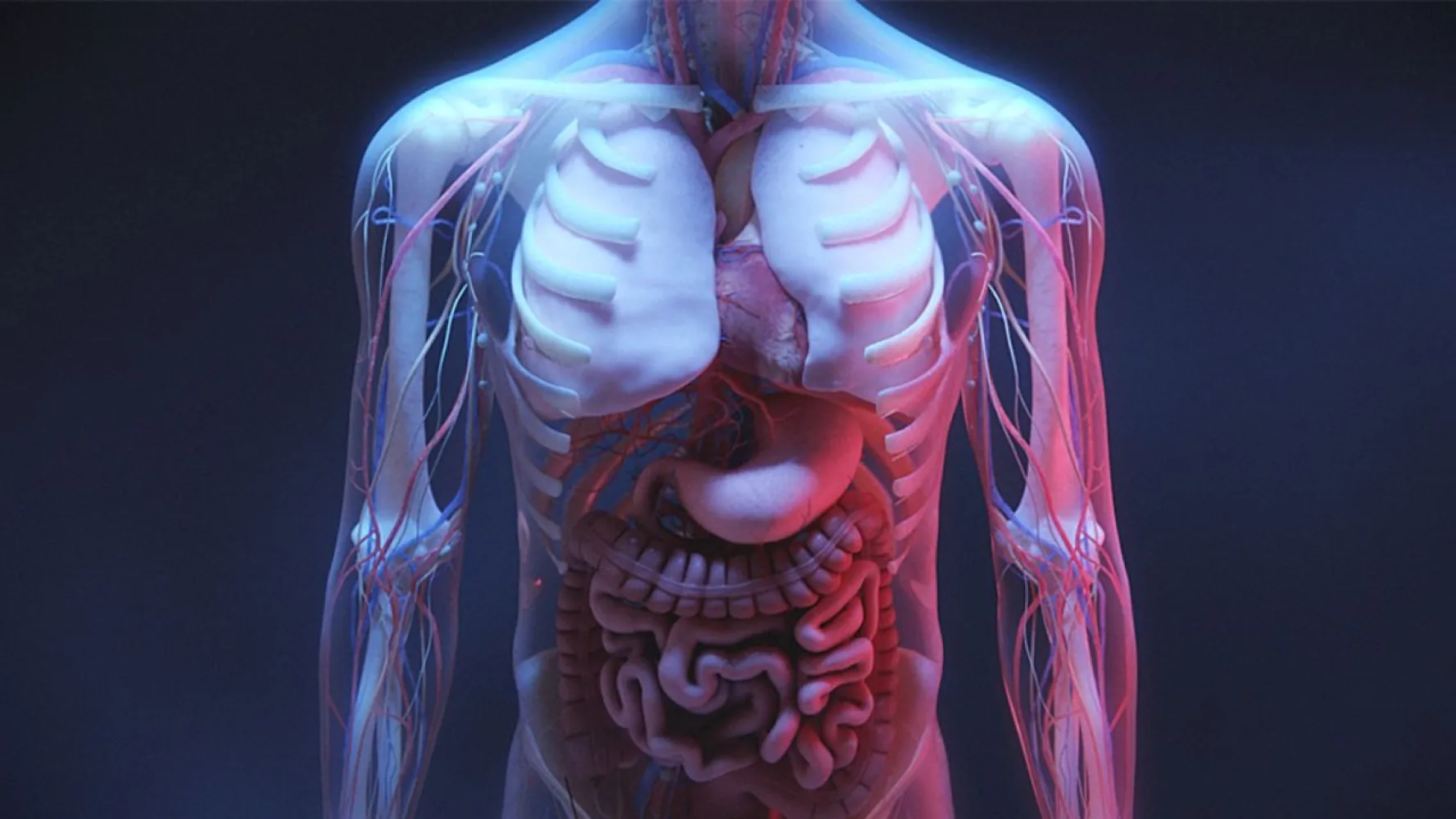
Visual effects are the layer that reveals details which are impossible or costly to show with live-action footage. The working of a machine's internal mechanism, the progress of a chemical process or the cross-section view of a structure comes to life before the viewer's eyes through VFX integration. This layer is especially valuable in industrial and medical projects, because it makes processes that cannot be seen with the naked eye, or that the camera cannot reach, understandable. A well-constructed effect can clarify a complex piece of information in the viewer's mind with a single image.
Sound design, meanwhile, is an element that is often underestimated but that heightens the impact. Well-chosen music, a clear voice-over and balanced effects strengthen the bond the viewer forms with the video. However impressive the picture may be, weak sound design damages the professional perception of the content. When the rhythm of the sound is aligned with the tempo of the edit, the viewer is drawn into the narrative without realising it. When these two elements come together, even technical or abstract concepts that are hard to explain become tangible and memorable for the viewer.
The Importance of Post-Production in Industrial and Corporate Projects
Between a standard video edit and professional corporate post-production there are serious differences that the viewer cannot spot at first glance but that determine the outcome. In the table, we have detailed, by comparison, how the two approaches diverge in the context of a corporate project:
Criterion | Standard Video Editing | Professional Corporate Post-Production |
Colour approach | Automatic settings | Colour grading that fits the brand identity |
Sound design | Stock music, basic-level mix | Original voice-over and balanced sound design |
Visual effects | Limited or none | VFX and 3D solutions integrated into the process |
Narrative unity | Footage arranged in sequence | A flow built around the brand story |
Process management | Fragmented and scattered | Coordinated management under one roof |
Professional post-production offers not just a better picture but an integrated structure that carries the brand's message accurately. In corporate projects, this difference is reflected directly in the sense of trust the video leaves with the viewer.
Why Should You Work with a Professional Video Production Agency?
A process in which editing, colour grading, sound design and 3D animation are handled by separate teams gives rise to coordination gaps and inconsistencies. The real value of working with a professional video production agency emerges when all of these stages are managed under one roof and with a unified vision. Each step being in dialogue with the others ensures that the brand message is preserved from start to finish. The tangible benefits this integrated approach brings to the corporate process are:
Single point of contact: Because every stage of the process is handled by the same team, the brand has a single communication channel to follow.
Consistent brand language: As colour, sound and narrative are shaped by the same vision, the video leaves a cohesive impression from start to finish.
Time savings: Because hand-off losses between stages are eliminated, the project moves along a more predictable schedule.
Access to current tools: Up-to-date techniques, from 3D animation to AI-assisted workflows, are brought in from a single source.
Oversight by human judgement: The outputs produced by automation are assessed by an experienced eye and steered according to the brand's tone.
Although AI-powered video tools speed up the process, decisions about which scene should stand out and which tone suits the brand still require an experienced human eye. An approach that combines the speed of automation with professional direction keeps efficiency and quality together in corporate projects. To run all of these stages under one roof for your video project, you can get in touch with ADIM.
Frequently Asked Questions About Post-Production
How long does the post-production process take on average?
The duration of post-production varies according to the scope of the project, the number of scenes and the density of visual effects it contains. A simple edit can be completed within a few days, while a corporate film with heavy VFX and 3D animation can take weeks. What decides it is the amount of raw material and the level of detail requested. For sound scheduling, clearly defining the scope at the start of the project helps the process move forward without delay.
What is the difference between post-production and production?
Production is the stage in which the shoot actually takes place; the camera is running and the scenes are recorded. Post-production is the process that comes into play after that shooting is complete, in which the raw material is processed. Production gathers the material; post-production turns that material into a meaningful work. The two are a continuation of one another, and the success of one is not possible without the other. In corporate projects, planning these two stages in harmony directly determines the quality of the result.
Why does post-production play a critical role in corporate films?
A corporate film is one of the most direct tools a brand has for presenting itself to the viewer. Post-production is critical because it is the stage at which the footage that was shot turns into a whole that serves that narrative. Colour consistency, fluent editing and professional sound design ensure that the brand is perceived as trustworthy and corporate. Weak finishing can make even strong footage look amateur. For this reason, the success of a corporate film depends largely on the decisions made at this stage.
How are artificial intelligence (AI) technologies affecting post-production?
AI tools are adding momentum to the post-production process by speeding up rough cuts, footage sorting and some routine colour or sound operations. However, these technologies take on a role that supports creative decisions rather than replacing them. Decisions such as which scene should stand out and which narrative suits the brand's tone still require human experience. The most efficient approach is a way of working that combines the speed of AI with professional direction, in which the human makes the decision.
Blog
All posts→


Your next project
Let's build
together.