
AI-assisted, fast and scalable video production
VR experiences for trade shows, events and training
Touchscreen kiosk software and hardware
3D hologram display and stage solutions


What Is VFX? Visual Effects Stages and Corporate Use
What is VFX and how is it applied? Discover the stages of visual effects, 3D modelling and the areas where visual effects are used in corporate projects.
VFX is a production discipline concerned with building, in a digital environment, scenes that are impossible to shoot with a camera. Processes that are physically dangerous, excessively costly or too small to be seen with the eye turn into memorable images through visual effects techniques. For industrial and medical brands, this capability offers the opportunity to bring a complex product or mechanism to life in the viewer's mind. In this article, we cover the technical and strategic aspects of VFX technology.
What Is VFX (Visual Effects)?
Visual effects is a production discipline known by the abbreviation VFX, short for “Visual Effects”. At its core lies the creation on a computer of any kind of imagery that falls outside live-action footage, or the digital alteration of existing footage.
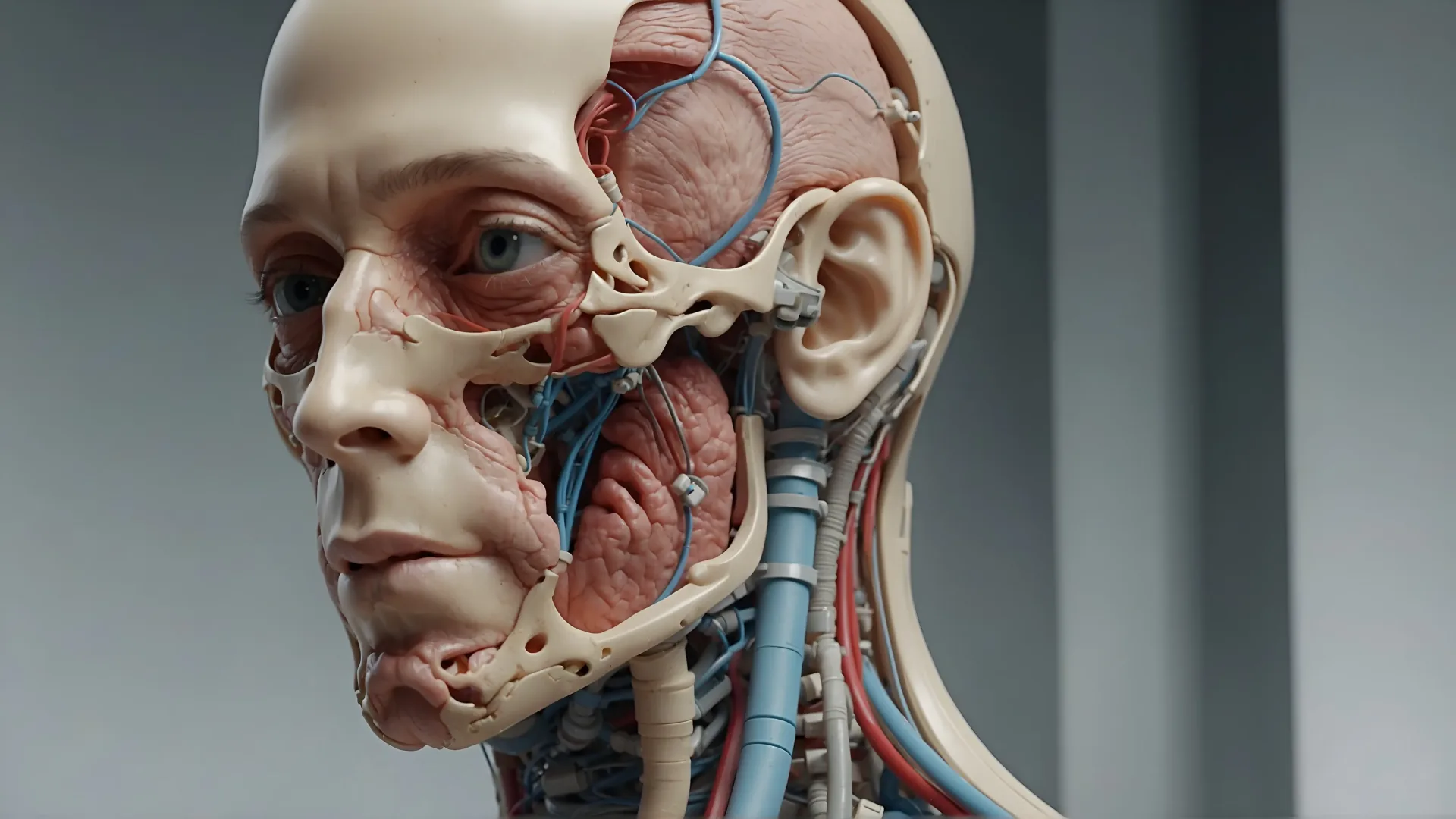
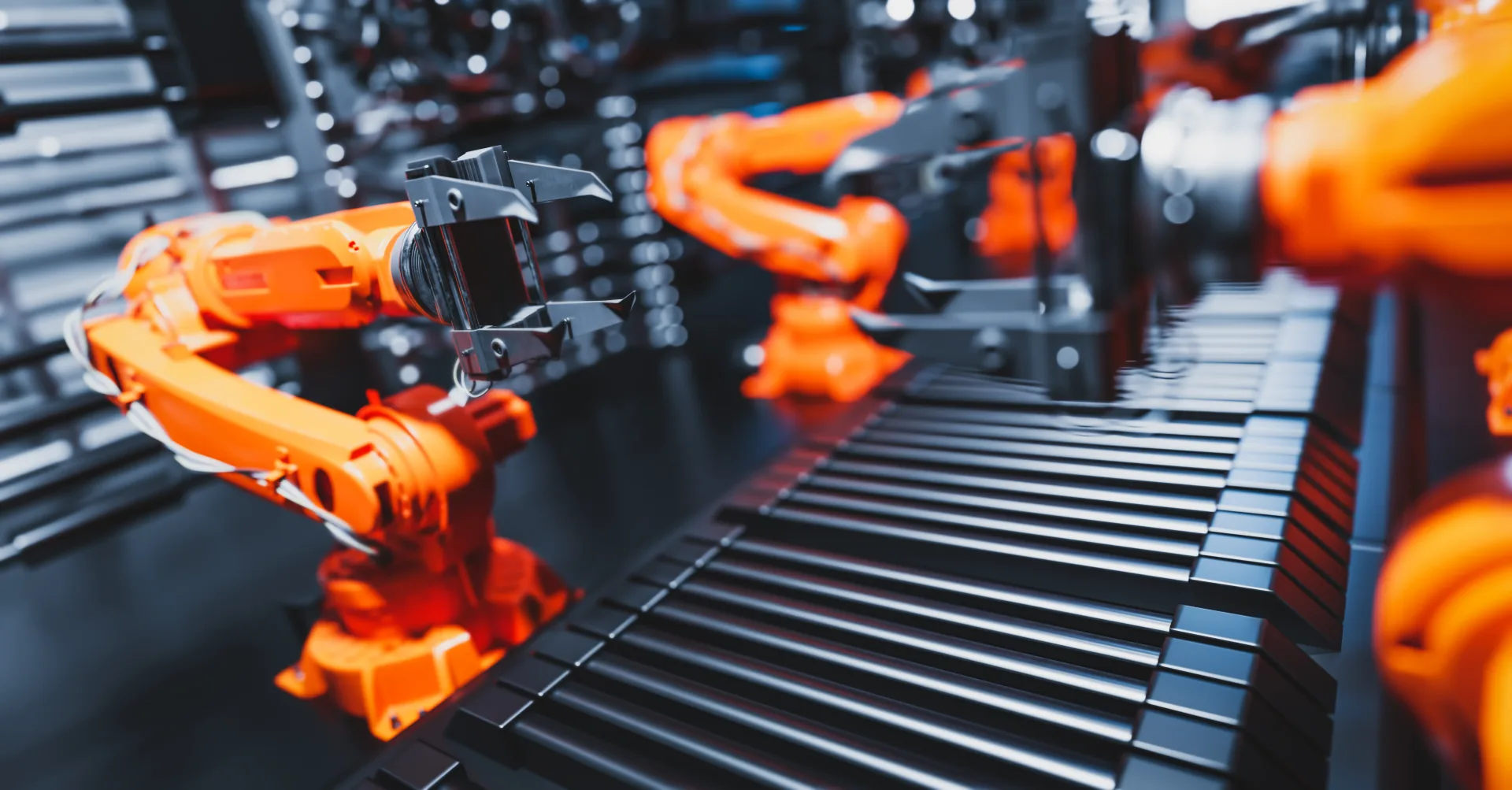
Recording the movement inside a factory line, the effect of a drug at the cellular level or the working principle of a device that has not yet been manufactured is often not possible in the real world. This need is at the centre of why visual effects emerged: to make scenes the camera cannot reach visible in a convincing way.
The working logic of this discipline is based on bringing filmed footage and digitally produced layers together in the same frame. How a scene was constructed, and which element is real and which is digital, are combined without the viewer sensing it. A wide range of uses, extending from advertising to education and from products to corporate promotion, makes visual effects indispensable for sectors outside cinema as well. For industrial and medical brands, this technique offers the opportunity to make a process that is hard to explain tangible in the viewer's eyes, and it noticeably increases the brand's narrative power.
The Key Differences Between VFX and SFX
Although the concepts of VFX and SFX are often confused, their production logic differs. SFX, or special effects, covers applications carried out physically on set during the shoot, such as explosions, smoke, rain or mechanical movement. These effects are created in real time in front of the camera and recorded as they are. VFX, on the other hand, refers to the digital layers added on a computer after the shoot is complete; it allows the scene to be worked on afterwards and corrected as much as desired.
This distinction also determines which method will be preferred in a project. When scenes that carry a safety risk on set or that are costly to repeat are produced digitally, control and flexibility are gained. In corporate projects the two methods usually work together: live-action footage is enriched with SFX and then completed with VFX layers. With the table below you can compare the differences between VFX and SFX against key criteria and see which method stands out where:
Criterion | SFX (Special Effects) | VFX (Visual Effects) |
Where it is applied | On set, in real time | On a computer, after the shoot |
Timing | At the moment of shooting | In the post-production stage |
Flexibility | A change requires a reshoot | Can be edited digitally again and again |
Area of use | Scenes that can be achieved physically | Impossible, dangerous or abstract scenes |
Risk | High safety and cost risk on set | Controlled and repeatable production |
What Are the Stages of VFX Production?
Visual effects production is a planned process that begins long before any software is touched. Each stage uses the output of the previous one as its input, and for that reason the sequence is carefully maintained. Understanding how a project progresses from start to finish clarifies the expected result and the time required. The steps the process passes through are also the key factor that shapes a job's budget and delivery schedule. The items below summarise, in order, the main stages of the VFX production process:
Pre-production: The stage in which scenes are planned and storyboard and concept work is prepared.
Asset creation: Modelling, texturing and the creation of digital objects take place here.
Animation: The objects that have been created are given movement and the process is brought to life.
Compositing: Different layers are combined in a single scene.
Render and delivery: The final image is processed and output in a release-ready format.
Every step of this workflow is reflected directly in the final quality of the project. At a time when demand for visual content is rising, managing the process efficiently gains importance. Industry data supports this trend too; the global visual effects market was valued at 11.4 billion dollars in 2025 and continues to grow. How a visual effect is produced step by step becomes clearest in core disciplines such as CGI and compositing.
CGI and 3D Modelling
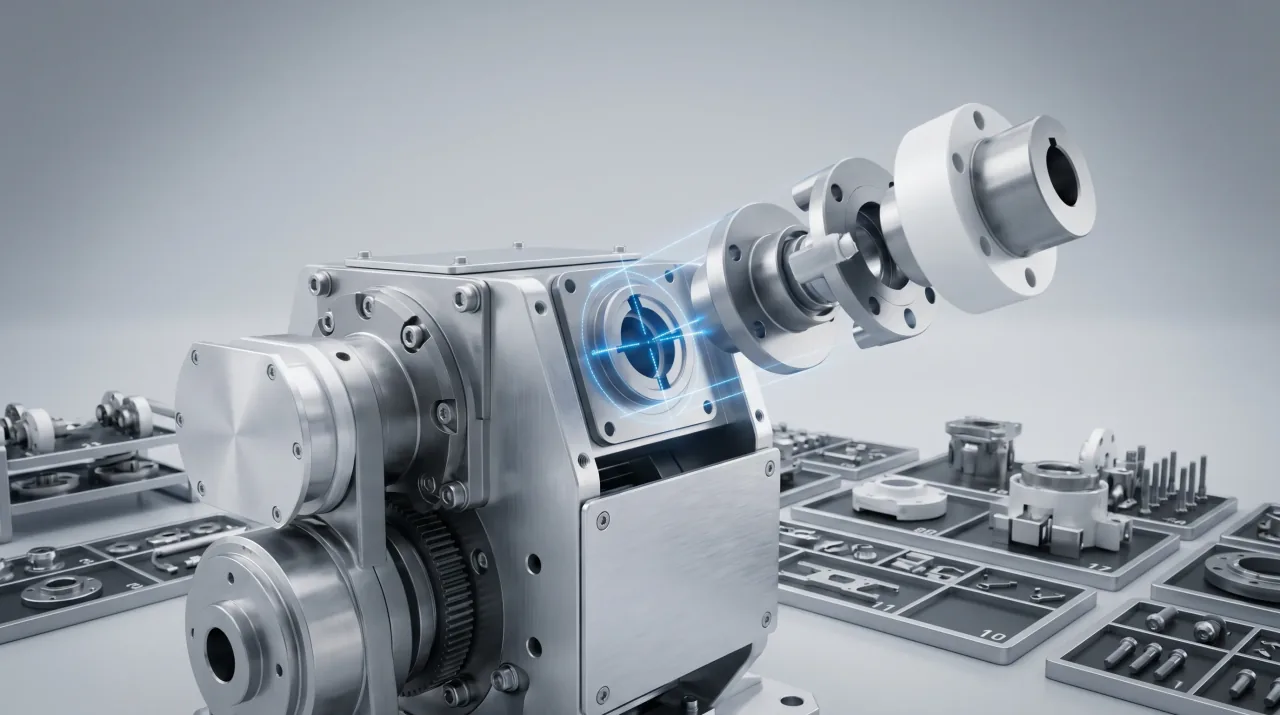
CGI is based on the concept of "Computer Generated Imagery" and forms one of the most fundamental building blocks of VFX. Building a digital twin of an industrial machine or a medical device from scratch becomes possible with this technique. A 3D modelling process carries every component of the product into the digital environment while staying faithful to its real dimensions; surface textures, material properties and the behaviour of light are also defined at this stage. In this way, even a prototype that has not yet been manufactured can be shown in working order.

This approach provides a strong advantage especially in explaining industrial products, because the internal structure and operation of the product are displayed in detail without a physical sample. A cross-section of a device can be taken to reveal the mechanism inside, or the structure of a molecule can be viewed by enlarging it from a scale invisible to the eye. For a qualified 3D animation studio, this stage is the ground that determines the visual realism of the entire project; a solid step taken in modelling carries the credibility of all the layers that follow.
Compositing and Animation
Compositing is the process of combining image layers produced independently of one another into a single, coherent scene. Live footage shot in a real location and 3D objects produced on a computer are blended with attention to the consistency of light, shadow and perspective. The success of this stage is measured by the viewer being unable to tell the real from the digital. VFX programs geared towards layer compositing, such as Nuke and similar tools, turn footage from different sources into a single whole in terms of colour and depth.
ADIM's expertise in the field of 3D animation brings technical precision and creative storytelling together in this compositing process. The animation layer, for its part, brings objects to life. The movement of a production line or the behaviour of a molecule becomes watchable in this way. The realism of the movement makes it easier for the viewer to internalise the process being described. The result is a visual experience too rich and memorable for any single brochure to carry.
Using VFX in Corporate Communication and at Trade Shows
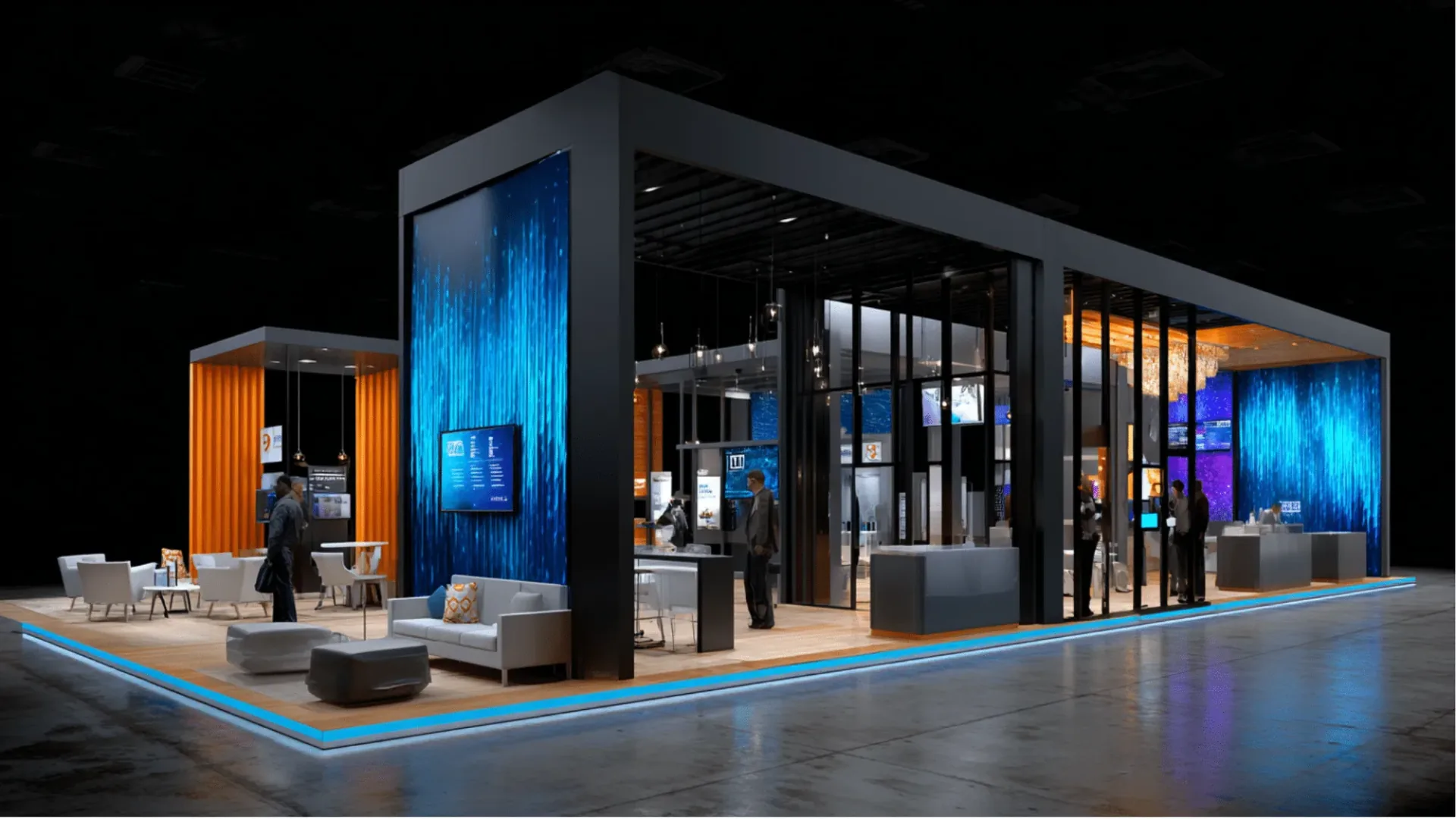
Trade show floors are environments of intense competition in a limited time, and attracting attention is a decisive advantage. B2B brands cannot settle for ordinary visuals for the LED screens and hologram systems on their stands. High-resolution screens only show their effect when they are fed with visual effects content produced to the same quality. A low-quality image cannot convince the viewer even on the most advanced hardware.
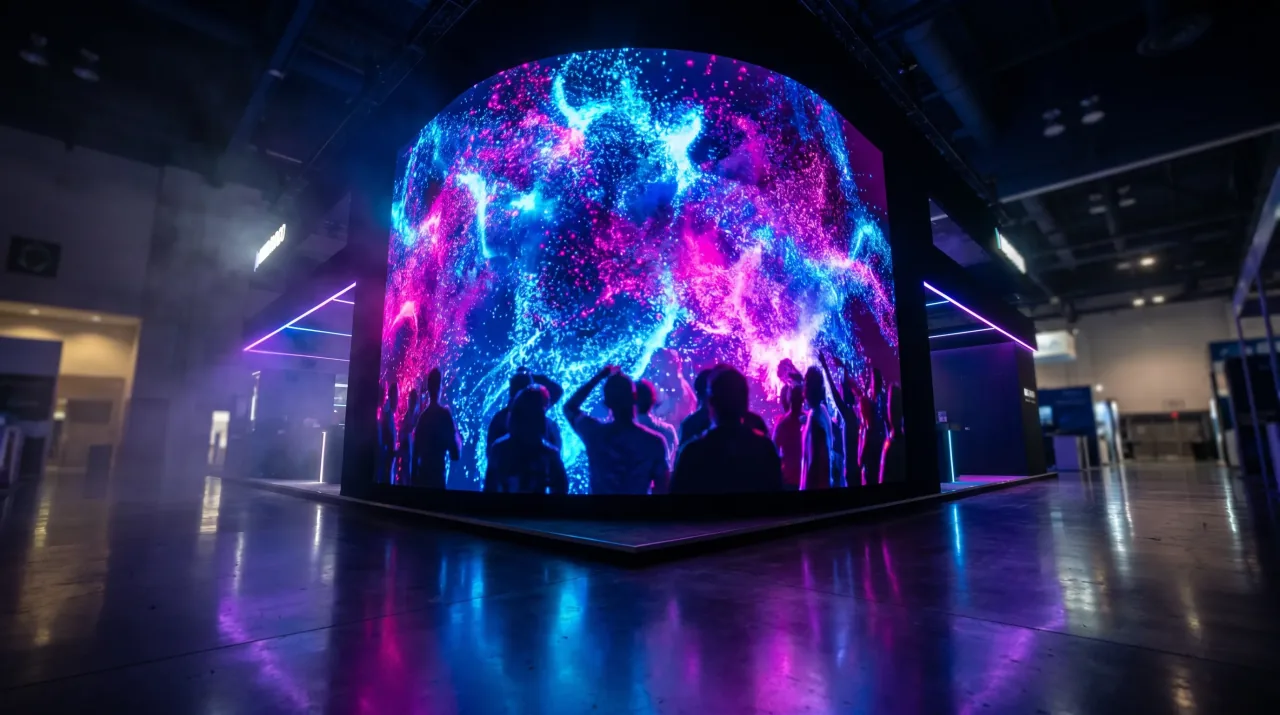
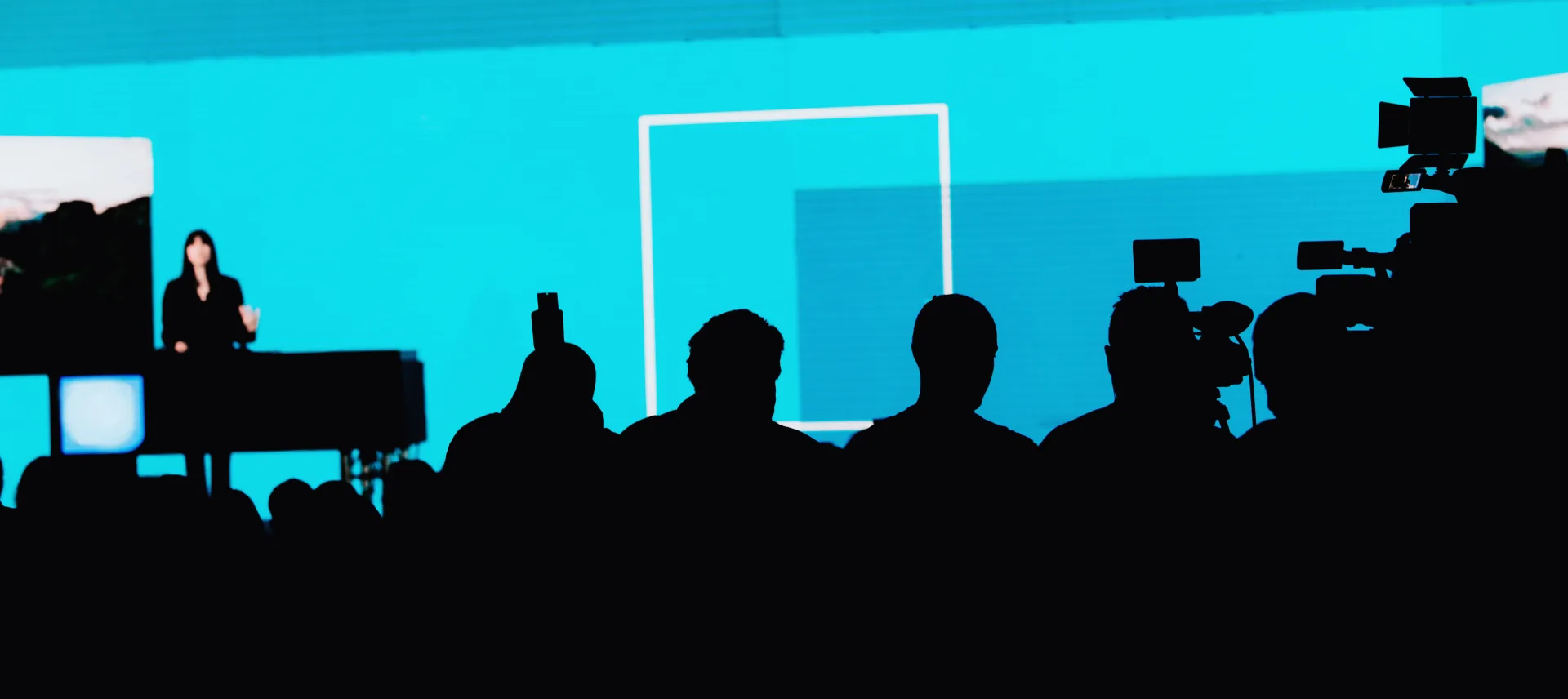
Decision-makers who visit a stand in an event environment often experience the product for the first time through a visual narrative. That first impression carries a strong message about the brand's technical competence. Using 3D animation on a trade show stand makes the experience more impressive and memorable, leading visitors to spend longer at the stand. The role of visual effects here is to connect with the visitor by turning a technical product into a story and to give the sales team a powerful storytelling tool.
Making the Hard-to-Understand Visible
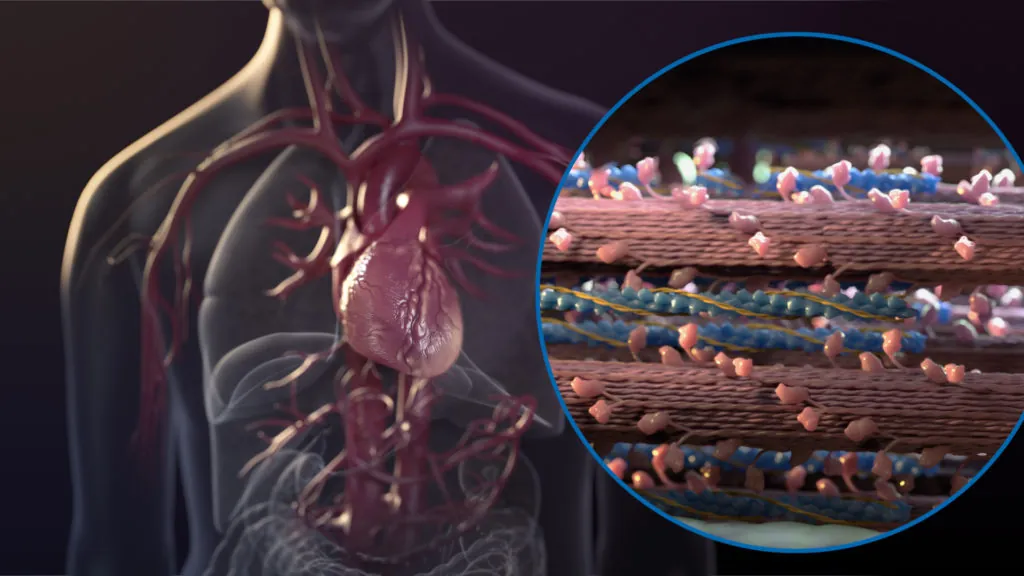
Visual effects come into play at the point where a brochure or a verbal presentation reaches its limit. Conveying in words how a medical process that progresses at micron level, or an enormous factory line, works is often inadequate. VFX enlarges what is too small to be seen with the eye and simplifies what is too complex to be reached. For example, the effect of a device inside the body can be shown layer by layer with medical animation techniques. The same approach finds its counterpart in industry too. The flow of a production process from start to finish turns into a clear image in the viewer's mind. This visibility strengthens the sales teams' narrative and enables complex products to be grasped more quickly.
Frequently Asked Questions About VFX
Are VFX and 3D animation the same thing?
The two are related but not synonymous concepts. 3D animation refers to creating three-dimensional objects and setting them in motion, and it is a component of visual effects. VFX, in addition to 3D animation, also covers the compositing of live-action footage, digital corrections and various effect layers. In other words, every 3D animation can be a visual effects element, but not every visual effect consists solely of 3D animation.
Why do corporate brands need VFX technologies?
Industrial and medical products often involve complex and abstract processes. Explaining these processes with text or photographs leaves an incomplete picture in the viewer's mind. By making the internal structure and operation of the product tangible, visual effects offer a powerful tool in sales, marketing, training and trade show communication. In this way, brands convey their technical advantages to decision-makers more persuasively.
How are the cost and delivery time of VFX projects determined?
Cost and time vary depending on the scope of the project. The number of scenes, the level of detail in the modelling, the complexity of the animation and the resolution required are the main determinants. A digital device model to be produced from scratch takes longer than editing an existing visual. For this reason, a clear budget and schedule are drawn up after the project's needs have been defined in detail.
How is VFX content used at trade shows and events?
At trade shows, visual effects content is displayed on LED screens, touchscreen kiosks and hologram systems. Short, striking animations that show the working principle of the product capture the visitor's attention in a short time. Optimising the content for the type of screen and the conditions of the venue is important for preserving image quality.
Blog
All posts→

Your next project
Let's build
together.