
AI-assisted, fast and scalable video production
VR experiences for trade shows, events and training
Touchscreen kiosk software and hardware
3D hologram display and stage solutions


What Is CGI? How Is It Used?
What is CGI and how is it made for corporate brands? Explore the production processes and advantages of computer-generated imagery technology.
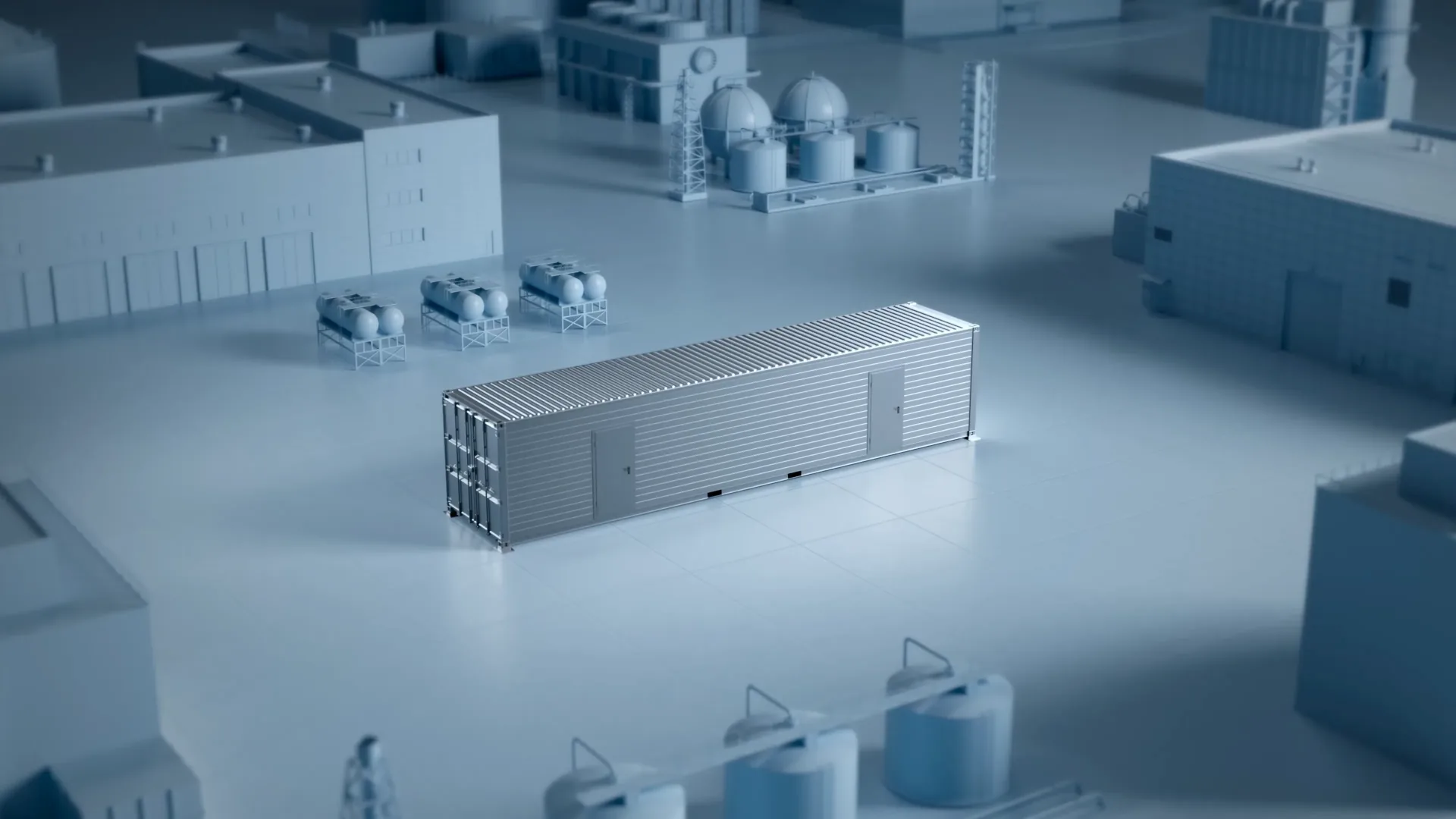
Computer-generated imagery makes it possible to put a machine that has not yet been built in front of the camera. In this guide we cover the technical backbone of CGI technology, the production pipeline stretching from the modelling stage to the render output, and the points at which industrial and medical brands bring this method into play in product promotion, field training and sales meetings.
What Is CGI (Computer-Generated Imagery)?
CGI is the abbreviation of “Computer Generated Imagery”. It refers to creating images that are not recorded with a camera in the real world in a digital environment, through mathematical calculations. A product's geometry, surface material, light behaviour and camera movements are defined in software; the resulting image is produced as a single photorealistic frame or as video at up to 25 frames per second. Although visual effects in the film industry are one of the most visible uses of this technology, CGI has a much wider range of uses in industry.
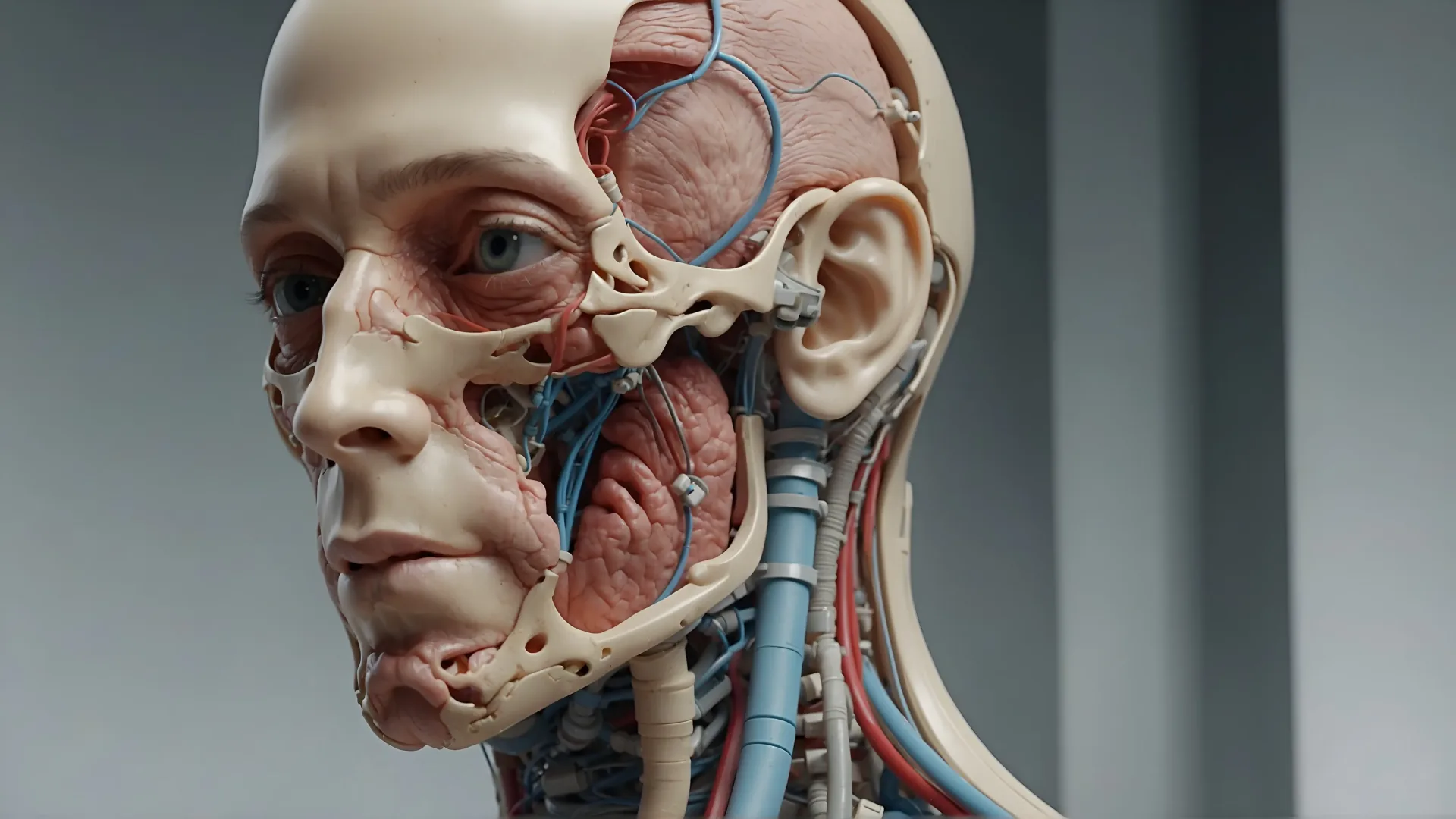
For brands, the real distinction becomes clear here: CGI technology can show things that do not physically exist or cannot be captured on camera. A 1,500-degree flow in a foundry, the pressure distribution inside a closed valve, a molecule travelling through a blood vessel or a line design whose prototype has not yet been built are visualised with the same method. In this respect CGI is regarded as the overarching umbrella of the 3D animation discipline and enables content production in formats ranging from static visuals to interactive content.
How Is CGI Made, Step by Step?
CGI production is a linear pipeline in which each stage takes the output of the previous one as its input. Starting with technical data collection, the process passes through modelling, surface definition, motion design, light calculation and final editing to reach a deliverable file.
Modelling and Texturing
Modelling is the stage where the digital geometry of the product or character is built. In industrial projects this geometry is mostly not drawn from scratch; the technical data held by the engineering team is transferred directly into the production environment. Texturing gives these surfaces a physical identity. The matte brittleness of anodised aluminium, the refractive index of a glass surface or the porous texture of cast iron are defined by measuring how they reflect light.
The inputs of the modelling stage vary by project type, and the most common sources are:
CAD and CAM files (STEP, IGES, SolidWorks outputs)
Technical drawings, dimension sheets and assembly diagrams
Point cloud data captured with a 3D scanner
Product photographs and material sample references
Anatomical atlases and imaging sections in medical projects
Rigging, Animation and Lighting
Rigging is the process of placing a skeleton and control system inside the static model. The axes of a robot arm, the stroke of a piston or the opening angle of a heart valve are defined at this stage, so that motion is built faithfully to mechanical reality rather than arbitrarily. The animation layer adds timing information to these controls.
Lighting, on the other hand, is the real variable that determines the viewer's perception of realism. The softbox and reflector logic of a studio shoot is rebuilt one-to-one in the digital environment. The difference here is that the intensity and colour temperature of the light can be changed in seconds. Most of the common 3D animation mistakes in production also stem from shadow and reflection inconsistencies at this stage.
Rendering and Post-Production
Rendering is the calculation stage in which all defined geometry, material and light data are turned into images, and it is the most hardware-intensive part of the process. Calculating a single frame can take minutes depending on the complexity of the scene and the depth of reflections; a minute-long CGI video therefore means a calculation load of thousands of frames. The render farm infrastructure within ADIM makes the delivery schedule predictable by distributing this load across parallel nodes.
The calculated frames then move to the stage where colour grading, compositing, graphic overlays and sound layers are added. At this point, post-production is no longer just a retouching job; the brand's corporate colour palette, typography and voice-over choices are applied to the image here. The entire production pipeline is gathered into a single approval flow before delivery.
CGI Use Cases for Industrial and Medical Brands
The reason CGI technology is chosen on the corporate side is operational, not aesthetic. Stopping a production line, sending a team into a sterile operating theatre or sending a film crew to a facility abroad are heavy items in terms of both cost and schedule. The structural differences between producing the same story with conventional shooting and with CGI are:
Criterion | Conventional Shooting | CGI Production |
Product requirement | A physical prototype is mandatory | Technical data is enough, no prototype needed |
Inaccessible scenes | Machine interiors, anatomical sections and chemical processes cannot be recorded | Cross-sections, transparency and micro scale are shown freely |
Revision flexibility | Requires reshooting and rebuilding the set | Colour, variant and camera angle change in the file |
Location dependency | Facility, crew, travel and production downtime | Production runs entirely in a digital environment |
Asset lifespan | Shot footage is fixed | The scene file is reused in new product series |
Multiple languages and markets | Additional shooting or editing for each version | Market-specific versions are derived from the same scene |
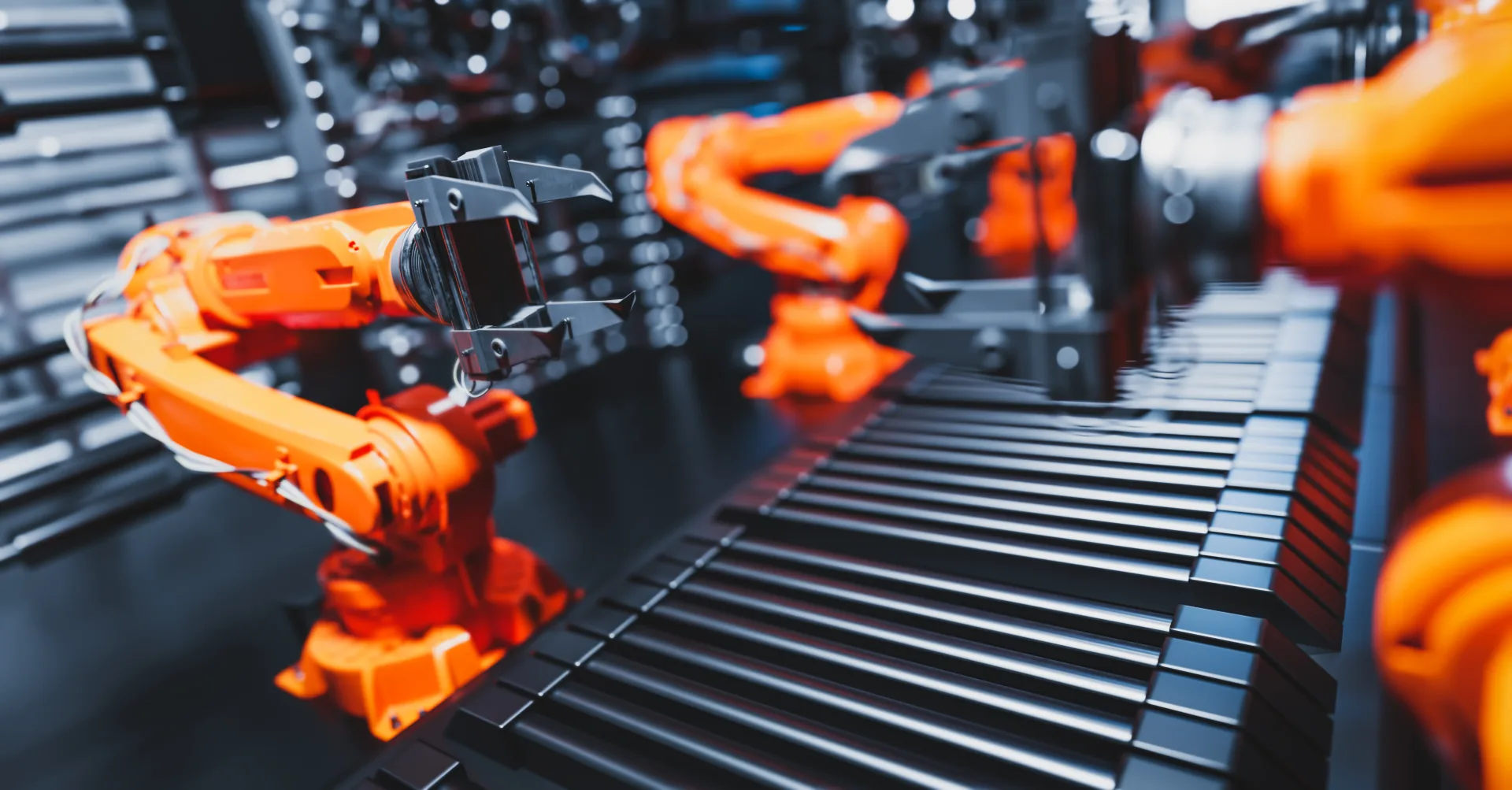
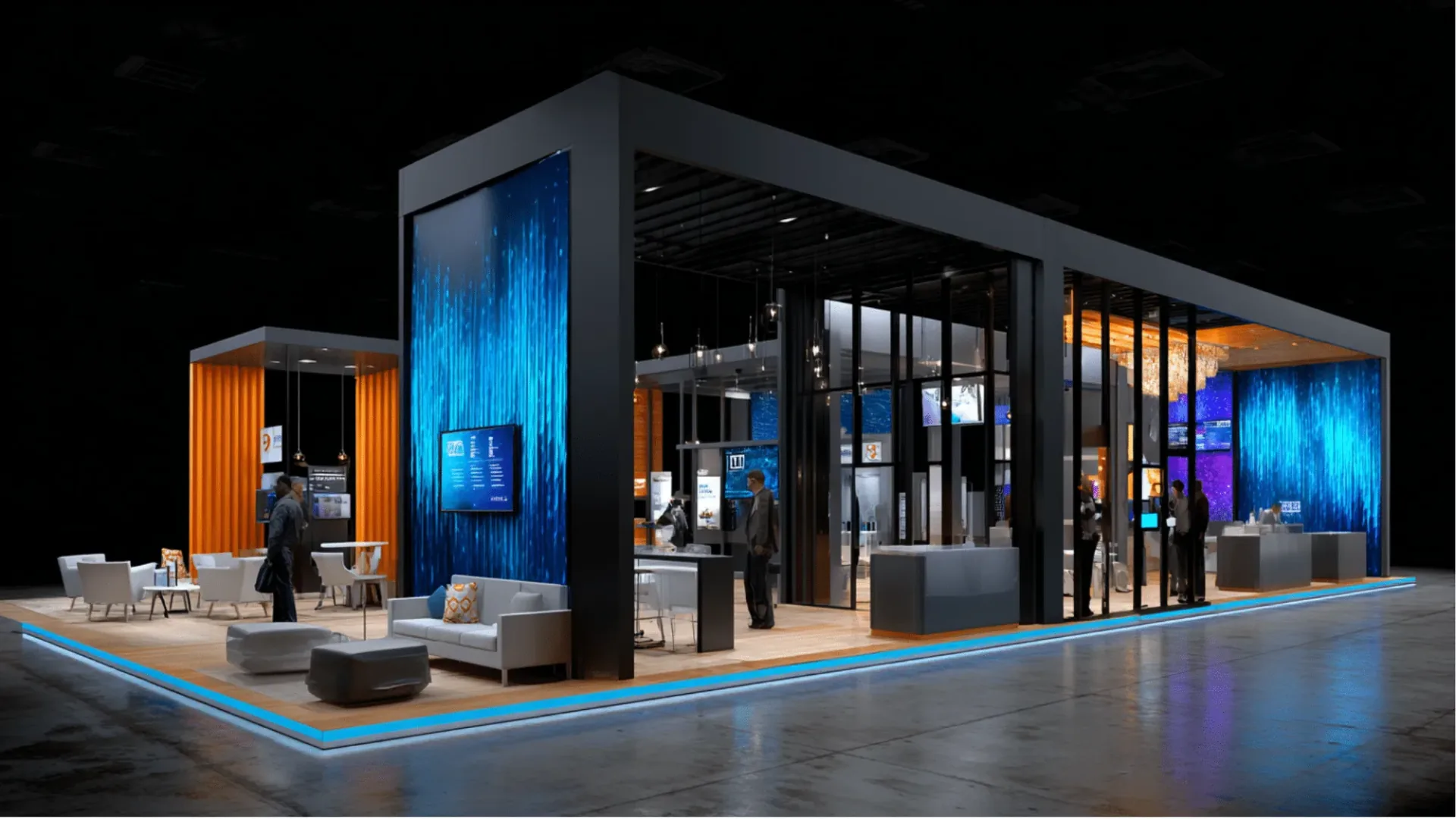
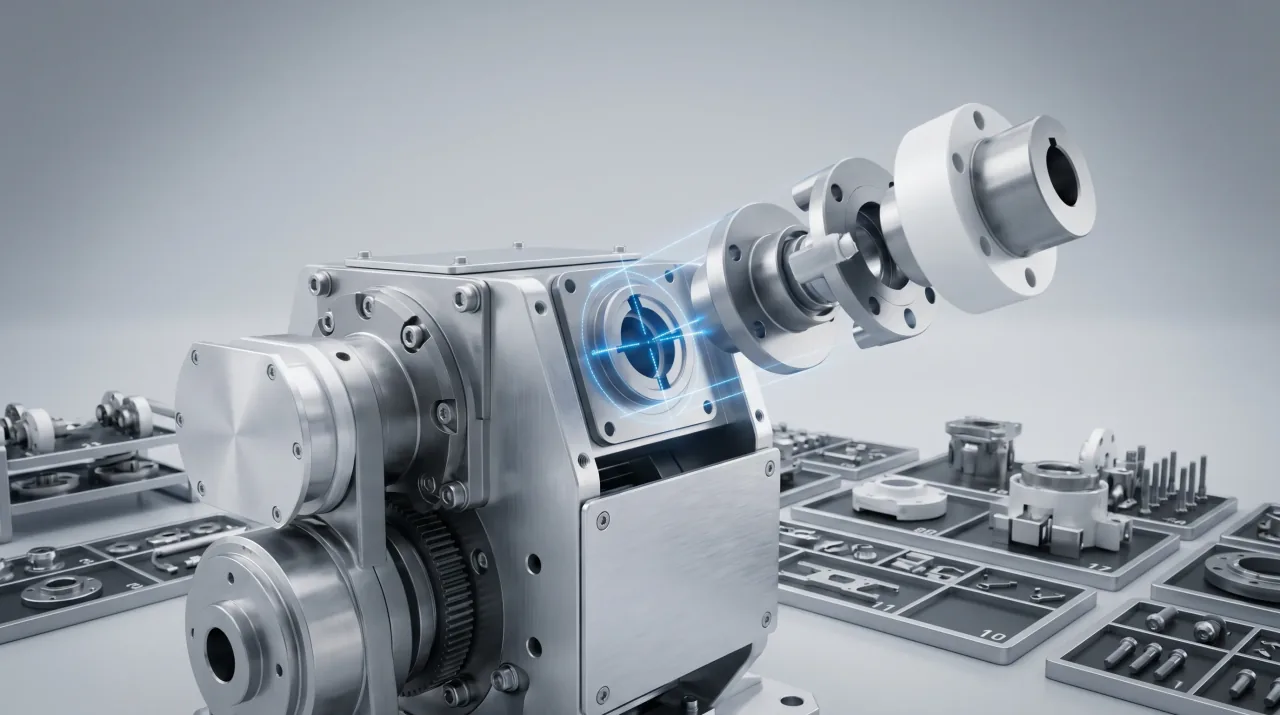
On the industrial side, this flexibility allows machine manufacturers to present a line whose assembly is not yet finished before a trade fair, lets the dealer network learn the installation procedure through a standard explanation, and makes it possible to add visual evidence to tender files. In industrial animation projects, the most frequently requested outputs are assembly simulation, flow visualisation and 3D factory simulation animation. Once built, a scene file is reused across channels ranging from sales presentations to trade fair screens and e-commerce storefronts.
In the medical field, the subject of explanation mostly unfolds at a scale invisible to the eye. A device's behaviour within tissue, the process of an implant integrating with bone or the mechanism of action of a drug can only be conveyed through calculated images. Medical animation content is therefore an unrivalled tool in physician training, congress presentations and patient information processes.
Professional Tools Used in CGI Production
CGI technology runs on an ecosystem in which specialised tools at each stage pass data to one another rather than on a single piece of software. The growth of this infrastructure on the market side is also striking. According to Grand View Research data, the visualisation and 3D rendering software market is on track to grow from USD 2.20 billion in 2022 to USD 17.38 billion in 2030. The tools commonly used in production can be grouped by function as follows:
Modelling and animation: Autodesk Maya, 3ds Max, Blender, Cinema 4D
CAD conversion and engineering data: SolidWorks, Rhinoceros, PiXYZ
Texture and material: Adobe Substance 3D Painter and Designer
Render engines: V-Ray, Arnold, Redshift, Octane, Chaos Corona
Real-time engines: Unreal Engine and Unity, for interactive and VR outputs
Simulation: Houdini, for fluid, particle and destruction scenes
Post-production: Nuke, After Effects, DaVinci Resolve
AI-assisted tools make certain processes more efficient rather than replacing this whole chain. Render denoising, smoothing motion between frames, automatic rotoscoping and preparing visual drafts at the concept stage can now largely be done with machine learning support. In this respect, AI-assisted video production is positioned as a supporting layer that speeds things up in projects where technical accuracy matters.
Frequently Asked Questions About CGI
What is the difference between CGI and conventional 3D animation?
CGI is the umbrella term covering all computer-generated images; 3D animation is the subset of it based on moving, three-dimensional geometry. A static product visual, an architectural render or an effect layer added to live-action footage also falls under CGI.
How long does CGI video production take on average?
Duration depends more on the complexity of scenes than on their number. A short single-product promotion is usually completed in three to five weeks, while a multi-component line simulation or a medical explanation with anatomical detail can take up to eight weeks. Delivering complete technical data at the start of the project is the most decisive variable in the schedule.
What factors determine CGI costs?
Pricing is the sum of the number of models, geometry resolution, simulation needs, video length, render quality and the language versions required. Having usable existing CAD data noticeably lowers the budget.
Which sectors need CGI technology the most?
Any sector whose product is large, expensive, dangerous or invisible can turn to this technology. Defence and aerospace, energy, machinery manufacturing, medical devices, pharmaceuticals, architecture and automotive top the list. In the defence industry, the fact that cameras cannot be taken on site for confidentiality reasons is a separate factor that makes CGI directly necessary.
Is AI used in CGI production?
It can be, but its role is limited to supporting layers. It saves time in repetitive tasks such as denoising, frame interpolation, automatic masking and concept visual generation. However, dimensional accuracy, the logic of mechanical motion and the reliability of medical content still depend on human oversight. That is why the technical approval process sits above AI outputs.
Blog
All posts→

Your next project
Let's build
together.