
AI-assisted, fast and scalable video production
VR experiences for trade shows, events and training
Touchscreen kiosk software and hardware
3D hologram display and stage solutions
How to Take Your Trade Show Experience to the Next Level with VR
A VR trade show experience turns your stand into an interactive scene. Virtual tours, product scenarios, sector examples and the production process in this guide.

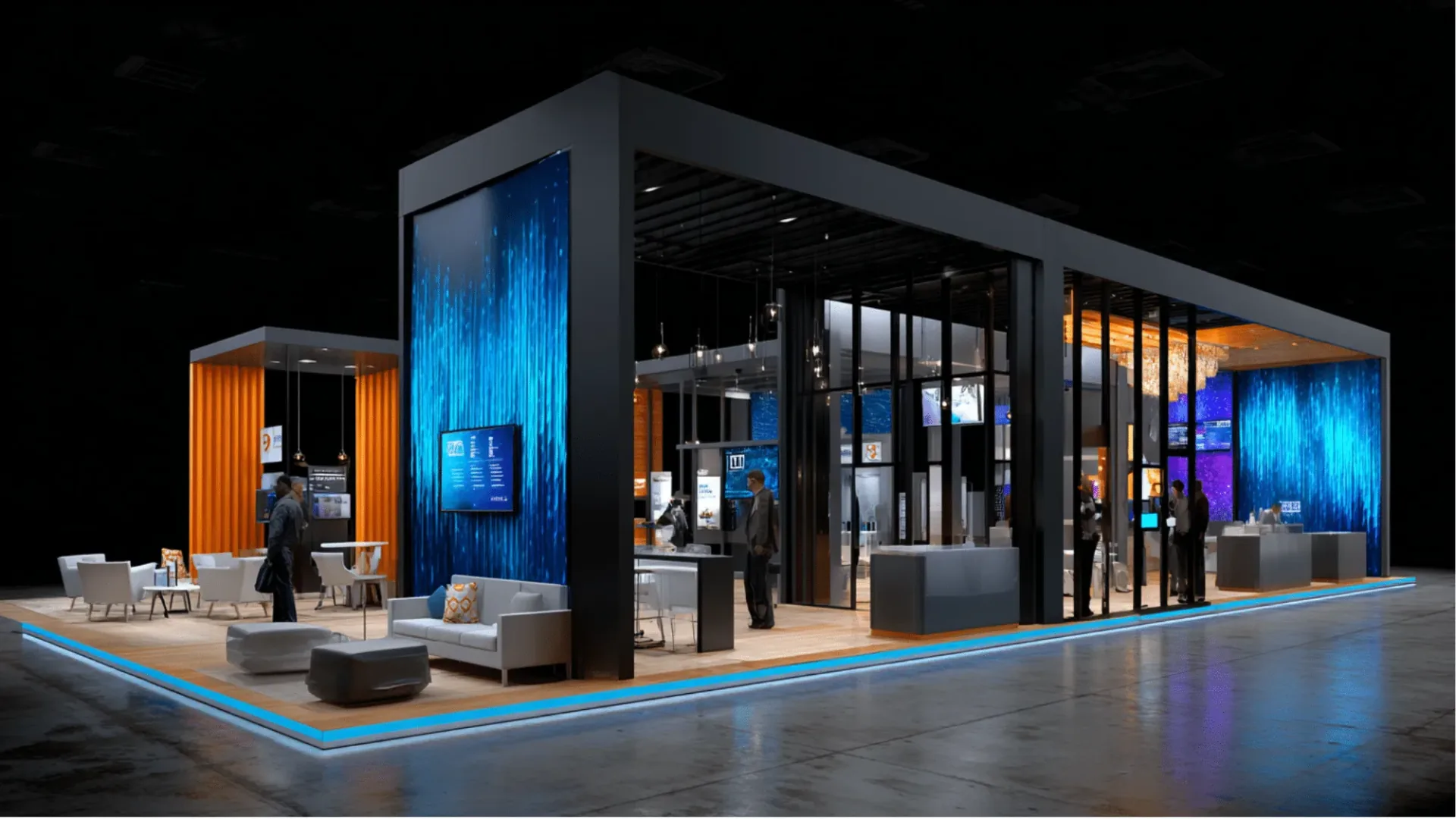
A trade show stand has long stopped being merely a showcase where the product is displayed. A VR trade show experience makes it possible to fit hard-to-transport machines, unfinished projects and production lines that cannot be seen from outside into a few square metres. In this article, we detail how virtual reality scenarios are designed for trade shows, in which sectors they resonate and what is planned in advance on the production side.
What Is a VR Trade Show Experience?
Virtual reality is a form of presentation in which visitors put on a headset, enter a fully digital environment and move within it from their own point of view. In a trade show context, this means a scene you can step into replaces the image in the brochure or the video on the screen. When visitors turn their heads they see the back of the machine, when they approach a valve a cutaway view opens, and when they enter an apartment they watch the real view from the window. VR and AR solutions change not so much how information is delivered on a trade show stand as how it is remembered.
VR trade show applications are usually designed in two main forms. The first is a 360-degree virtual tour structure, in which visitors only look around and move between set stops. The second is an interactive scenario in which objects are touched with a controller, parts are taken apart and reassembled, or a process is started. The first structure is better suited to reaching many visitors in a short time, the second to starting an in-depth conversation with a technical buyer.
Wider adoption on the hardware side supports this picture as well. According to IDC's XR market analysis dated June 2026, mixed reality headsets, the most commonly chosen devices for trade show applications, are forecast to grow from 3.2 million units shipped in 2026 to 10.4 million units in 2030. As the device becomes familiar in everyday life, the number of visitors hesitant to put on a headset at the stand falls a little further with each trade show season.
How Is VR Used at Trade Shows?
The use of VR at trade shows mostly emerges as the answer to a problem that cannot be solved on site. The product is too large, the process is invisible, the project has not yet been built, or what is being explained takes place in a hazardous environment.
Products That Cannot Be Brought to the Show
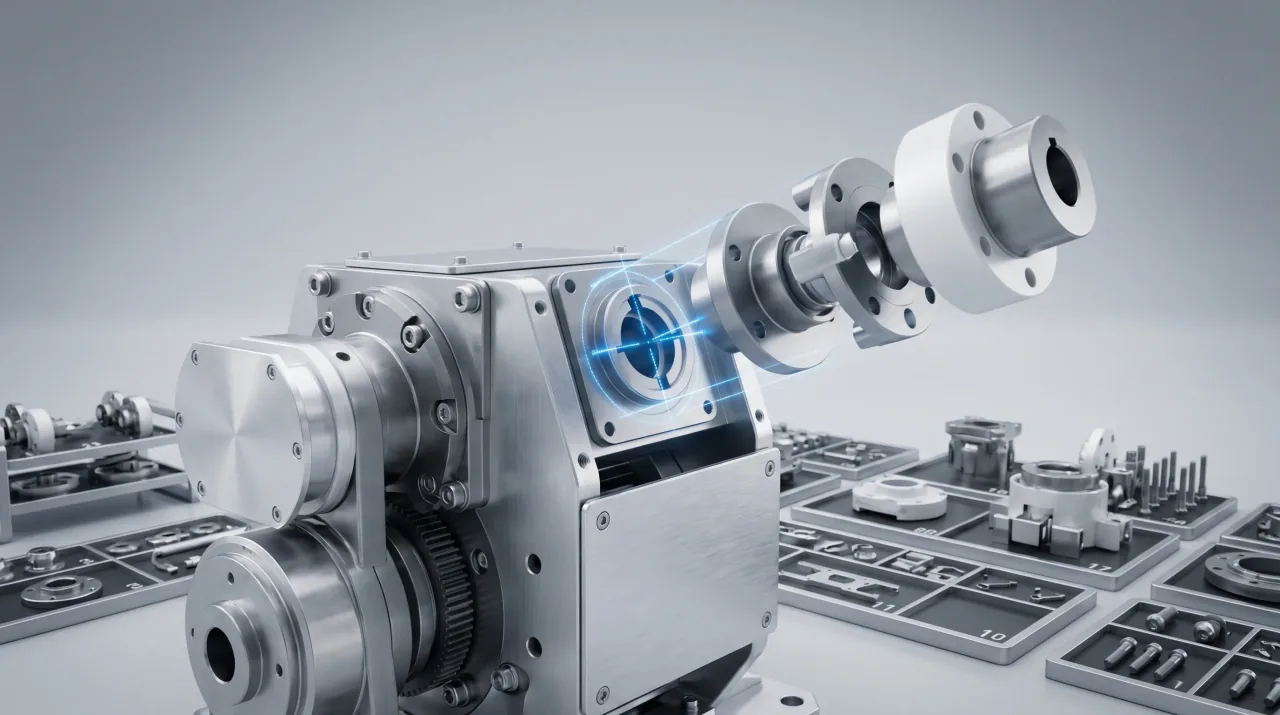
Bringing large or heavy products to a trade show is not always possible, and when it is, transport and installation take up a significant share of the budget. With VR technology, visitors can examine these products at real scale in a virtual environment. Sitting in the cab of a construction machine, taking apart the inner structure of a turbine step by step or changing the operating speed of a line takes only a few seconds in a virtual environment. Conveying the product's real size is this method's clearest advantage over desktop presentations.

Virtual Factory and Facility Tours
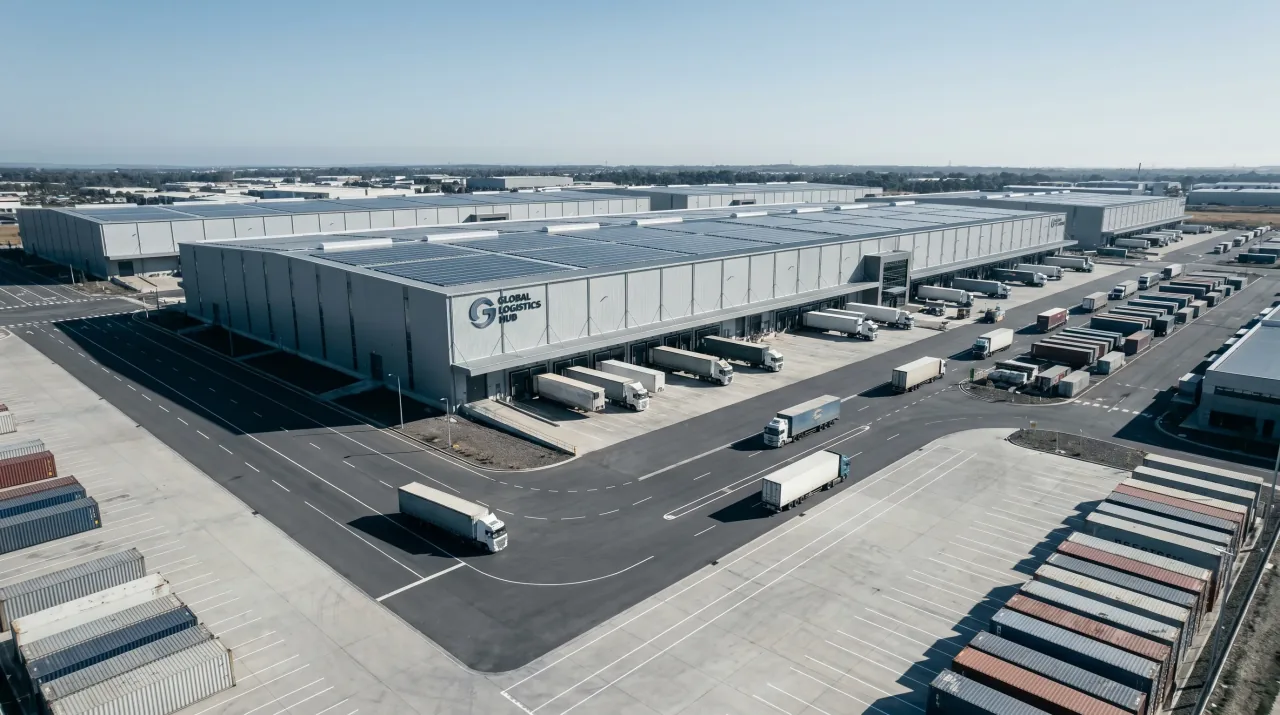
For manufacturing companies, the biggest constraint is not being able to bring the facility itself to the show. With a virtual tour, visitors can follow the production flow from raw material entry to shipment at their own pace. Stops are defined at critical points along the line, and capacity and quality control information becomes visible at each stop. Because this set-up draws on the same 3D database as factory simulation work, the investment is not limited to a single trade show.
Projects Not Yet Built
For real estate companies, VR makes it possible to experience even projects whose construction is not yet complete. Visitors walk through the apartment, compare the scale of the rooms with their own bodies, and watch the view from the balcony and the way daylight falls inside. While scale models and renders describe the project from the outside, a virtual walkthrough conveys the sense of space that directly influences the decision. Preparing architectural animation work to be VR-compatible allows the same scenes to be used in the sales office as well.

Technical Information Visible Within the Scene
VR experiences are not just a visualisation tool; they also bring technical data into the scene. When visitors look at a part, material information, tolerance values or energy consumption become visible at the same time. This way, numerical information is read within the physical context it belongs to, and retention increases. In meetings with technical teams, this structure creates common ground that speeds up questions and answers on both sides.

Advantages of Using VR at Trade Shows
The return on a virtual reality investment is not measured by visual impact alone. A few concrete points that directly affect stand performance explain why this investment is chosen:
Time spent at the stand: Visitors who try the experience stay noticeably longer than those who pick up a brochure and move on, giving the sales team time for a conversation.
Reduced logistics load: Digital scenes replace products that are hard to transport, and the stand space is used efficiently with fewer square metres.
Standing out from competitors: In halls where similar products are displayed side by side, a brand using VR is noticed immediately and leaves the impression of a company that embraces technology.
Recall: A scene experienced physically stays in memory longer than a video that is watched; this moment is referred to in post-show meetings.
Content reuse: The 3D scenes created are reused in dealer training, showroom presentations and on the website.
Crowd effect: A natural group of onlookers forms around the visitor wearing the headset, and the stand looks lively from a distance.
Which VR Scenario Suits Which Trade Show Goal?
Each type of scenario appeals to a different visitor profile and sales goal. At the pre-show brief stage, the set-up best suited to the goal is determined as follows:
Scenario type | What it shows the visitor | Goal it serves | Leading sectors |
Virtual facility tour | Production line, capacity, quality processes | Building supplier trust | Industry, automotive, chemicals |
Product disassembly and assembly | Inner structure, part relationships, maintenance steps | Convincing the technical buyer | Machinery, energy, defence |
Space walkthrough | Scale, materials, atmosphere | Speeding up the purchase decision | Real estate, tourism, retail |
Procedure simulation | Correct use and safety steps | Training and certification | Medical, energy, heavy industry |
Short impact scene | Brand story and technological vision | Fast circulation at peak hours | Corporate, technology |
How Does Each Sector Use VR at Trade Shows?
The content of a virtual reality scenario varies markedly from sector to sector. The examples below show how the same technology answers different questions in different halls:
Machine manufacturers: The product's field use scenario, installation area and operator's point of view are shown.
Medical sector: The correct use of devices and their anatomical effects are conveyed in a virtual environment, and medical animation scenes are reworked for VR.
Chemicals and industry: Hazardous production processes are explained step by step without raising any safety concerns.
Defence and aerospace: Only the approved layers of systems requiring confidentiality are made visible. This gradual visibility is decisive for defence and aerospace projects.
Tourism: Hotels, holiday resorts and destinations can be experienced vividly, even in their off-season state.
Energy and infrastructure: Hard-to-access areas such as underground lines, wind turbines and switchyards can be explored at scale.
Before the Show: The Production Process of a VR Experience
Behind an experience that runs flawlessly at the stand is a production plan that starts weeks before the show. Script writing, 3D modelling and optimisation steps follow one another. When this order breaks down, it usually comes back as a technical problem during show week. The production flow roughly consists of the following steps:
Goal and scenario definition: It is made clear who the experience is for, which message it conveys and how long it lasts.
Data collection: CAD files, technical drawings and material information are compiled. Missing data is completed before modelling.
3D modelling and optimisation: The scene is simplified to fit the headset's hardware limits and split into layers.
Interaction design: Which objects can be held, which information appears when and the controller layout are decided.
Frame rate testing: Maintaining smoothness is the most critical technical threshold for preventing motion sickness complaints.
On-site rehearsal: Before the show, the experience is tested end to end with the real hardware and with inexperienced users.
The simplification decisions made during production aim to preserve performance without lowering visual quality. When the lighting and material settings and final touches of the scenes are handled with the same care as the post-production stage, the result is clearly noticeable in the trade show environment.
Show Day: VR Operation at the Stand and Visitor Flow
Planning the trade show operation correctly is as important as the technology itself. Even a well-designed experience can lose visitors if queue management is not thought through. That is why details such as being able to shorten the experience at peak hours, mirroring the headset view to a second screen so that waiting visitors can watch too, keeping disposable face pads ready for hygiene and recording contact details after each experience should be decided in advance in the stand plan.
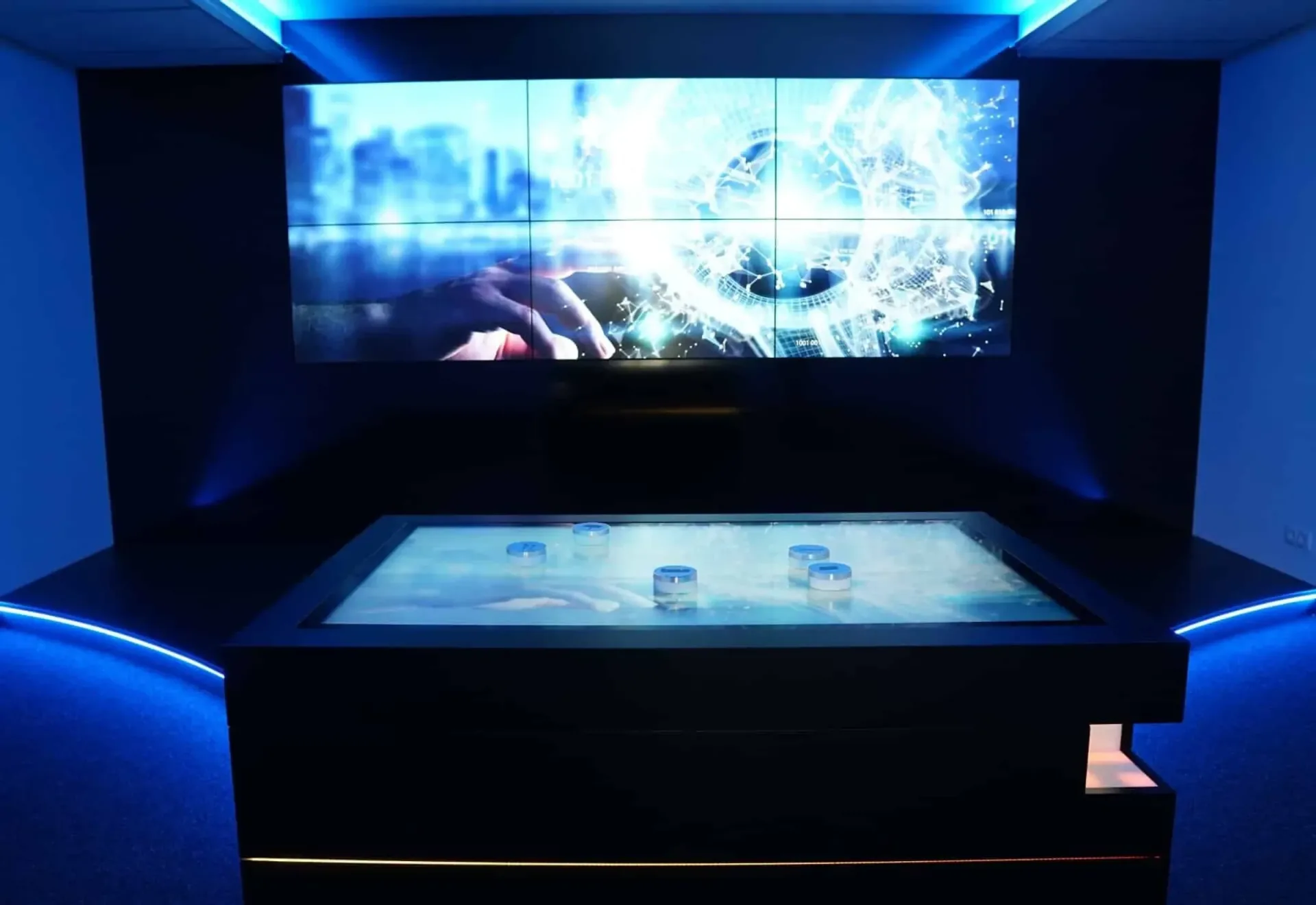
Making good use of waiting time is also part of experience design. Touchscreen kiosks that let the next visitor explore the product at their own pace play a complementary role to the main experience. Reviewing common mistakes in a preparation meeting before taking part in the show, to prevent possible operational problems, also helps the team manage the process more efficiently.
A VR Trade Show Experience Leaves a Lasting Mark on Your Stand
A VR trade show experience turns the stand from a promotional area into a scene that visitors remember with their own bodies. Showing real products without transporting them, clearly showing invisible processes and presenting technical data in context become possible at much lower cost with virtual reality. Reusing the scenes in dealer training and digital channels after the show takes the investment beyond a single event. To determine the most suitable trade show animation and virtual reality set-up for your stand, get in touch with us.
Frequently Asked Questions About VR Trade Show Experiences
How long does it take to prepare VR content for a trade show?
The time depends on the complexity of the scene and the state of the existing 3D data. A product scenario with CAD files ready is completed noticeably faster than a facility tour modelled from scratch. Planning backwards from the show date and setting aside separate time for an on-site rehearsal keeps the delivery schedule on track.
How is motion sickness prevented in a trade show VR experience?
Motion sickness usually stems from a low frame rate and sudden camera movements the user does not control. Optimising the scenes, preferring teleport-style transitions and keeping the experience short greatly reduce this risk. For standing experiences, leaving a safe area around the visitor is also necessary.
How many visitors can be reached with one VR headset at a trade show stand?
The number of people reached is directly related to the length of the experience and the cleaning time between sessions. At busy shows, running two or three headsets in parallel is a common way to prevent queues from building up. A mirroring screen that waiting visitors can watch also widens reach at stands working with a single headset.
Where can VR content be used after the show?
The scenes created are reused in dealer and supplier training, showroom presentations, the sales team's field visits and the promotional sections of the website. Deriving desktop and mobile versions from the same 3D data makes it easier for the content to reach a wider audience.
Does a VR trade show experience work without an internet connection?
When content is preloaded onto standalone headsets, the experience runs smoothly without an internet connection. Given the congestion of wireless networks at trade show venues, an offline set-up is the preferred method for most projects. A backup connection plan is only needed for forms that collect visitor data.
Can VR be used on small trade show stands?
Scenarios experienced seated or from a fixed position can easily be designed for tight spaces. In this case, scenes based on gaze direction and controller interaction are preferred over set-ups that require a lot of movement. A safe area of a few square metres set aside in a corner of the stand is enough for most applications.
Blog
All posts→
Your next project
Let's build
together.