
AI-assisted, fast and scalable video production
VR experiences for trade shows, events and training
Touchscreen kiosk software and hardware
3D hologram display and stage solutions




Are Medical Animations Scientifically Reliable?
Are medical animations reliable? This guide examines scientific validation steps, the role of expert approval and the criteria that set reliable production apart.
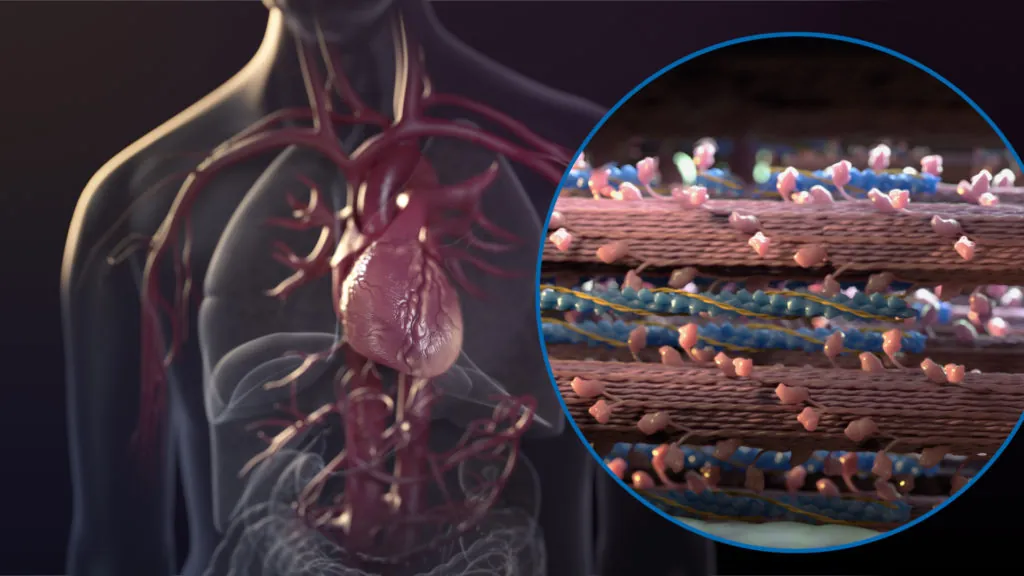
Medical animations, which turn complex medical information into clear visual storytelling, are used in a wide range of areas from patient education to clinical training. For organisations assessing the reliability of medical animation, the decisive factor is not the visual impact of the work but the validation discipline behind it. A production process based on current literature, approved by experts and open about its limitations positions the animation as a scientifically defensible communication tool.
What Does the Scientific Reliability of Medical Animation Mean?
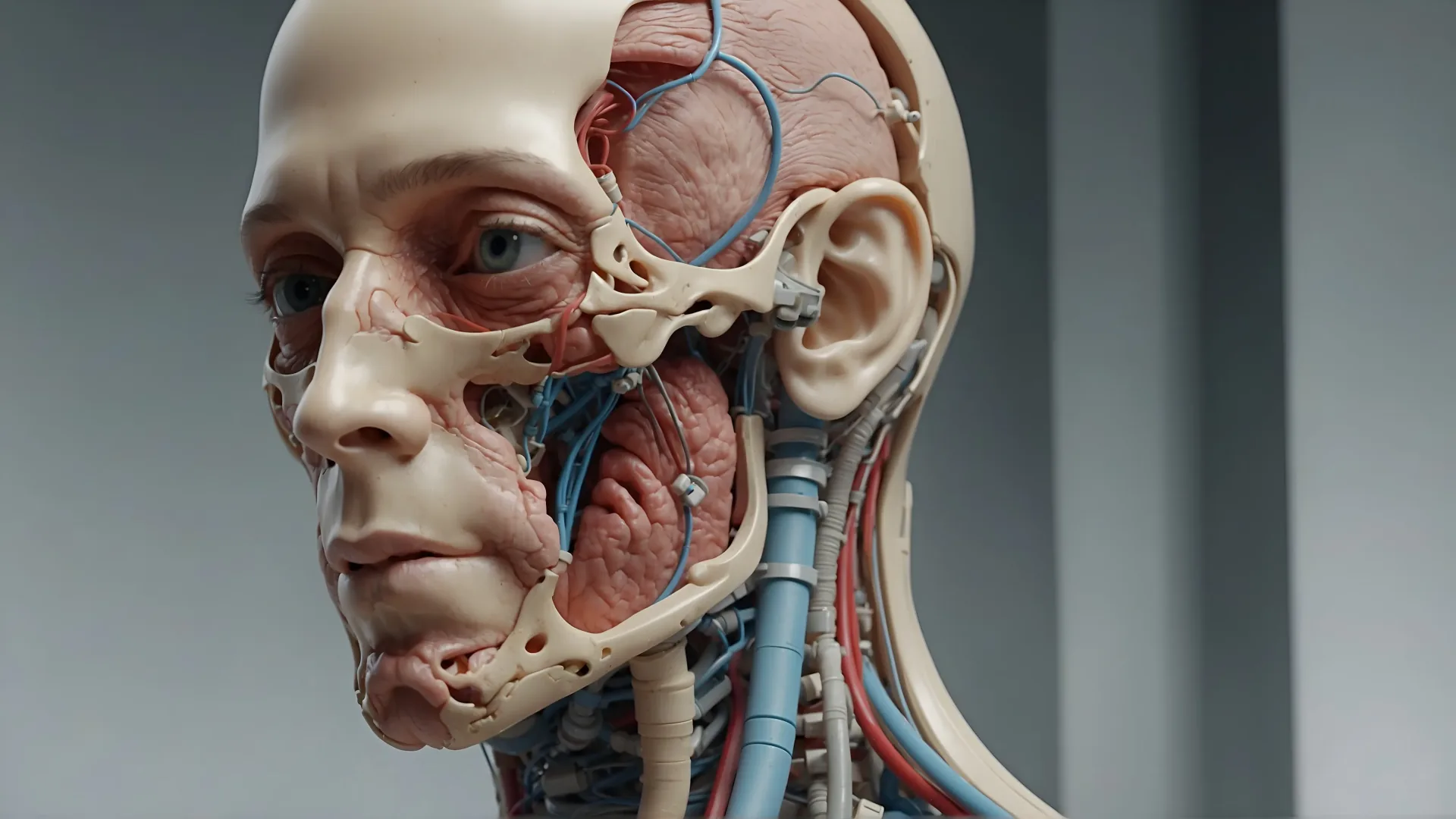
Scientific reliability means that a medical animation is consistent with current medical literature, clinical guidelines and evidence-based data. Being visually impressive is not enough on its own; every detail it contains must have a scientific basis. That is why reliability is read not as a measure of aesthetic quality but as a measure of verifiability. This verifiability is usually the first thing an organisation assessing the reliability of a medical animation looks at.
In this context, the three core elements that make up reliability can be listed as follows:
Correct anatomical and physiological structure
Realistic disease and treatment mechanisms
Narration consistent with clinical practice
These three elements complement one another. An anatomically flawless model combined with a narrative built on the wrong mechanism can lead viewers to a wrong conclusion. Likewise, a scientifically correct script drifts away from clinical reality when it is presented with a visualisation whose scale or timing is wrong.
How Are Medical Animations Scientifically Validated?
A professional medical animation production process is based not on random visualisation but on multi-stage scientific control mechanisms. These controls are not a single review at the end of production; they are spread across every stage of the project. This way, a wrong assumption is noticed before it reaches the rendering stage. The validation process usually includes the following steps:
Reviewing current academic sources and clinical guidelines
Working with physicians and scientists who are experts in the field
Having the script and storyboard stage approved by medical advisers
Comparing anatomical models and scales with reference images
A post-production scientific accuracy check and revision round
This approach ensures that the animation is not only understandable but also reliable. The order of the stages matters too. Obtaining approval at the storyboard stage prevents costly corrections that would arise at later stages.
The Role of Physician and Academic Approval
One of the most important indicators of scientific reliability is that the content is approved by specialist physicians. Actively involving physicians in the process greatly reduces the risk of incorrect or incomplete information. When the adviser takes part in decisions on the script, terminology and visual scale rather than only watching the final output, the approval becomes a genuine review. The main contributions expert approval brings to the content are:
Preserving clinical reality
Reducing the risk of misleading viewers
Being able to use it safely for training and promotional purposes
Keeping terminology at the right level for the target audience
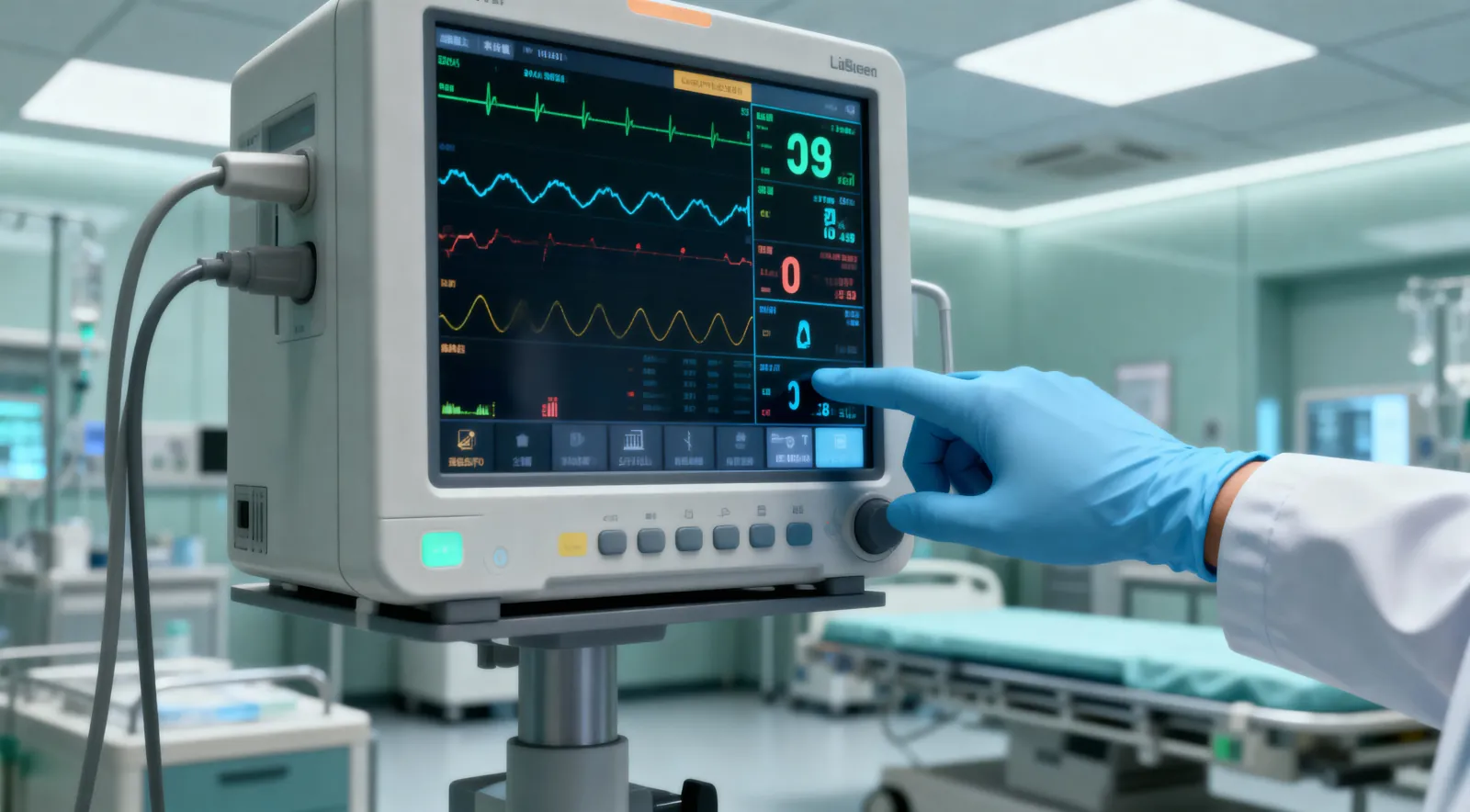
In international practice, this review culture is institutionalised. For specialists working in medical visualisation, the certification programme run by the Association of Medical Illustrators evaluates anatomical knowledge and ethical practice criteria together. A similar rigour can be carried into the internal workflow of any production team working with an advising physician.
The Balance Between Exaggeration and Scientific Narration
One of the biggest mistakes in medical animations is simplifying or exaggerating scientific facts for the sake of visual impact. Reliable animations strike a delicate balance between aesthetics and accuracy. When this balance is not struck, the content looks convincing but cannot be defended under scientific scrutiny. Maintaining this balance requires the following approaches:
Avoiding speculative information
Not presenting claims that have not been clinically proven
Clearly stating risks and limitations
Keeping speed, colour and scale choices true to real physiological proportions
Colour and motion choices in particular can change the scientific meaning without anyone noticing. Showing an intracellular process much faster than its real duration, or presenting a molecule with directional movement it does not actually have, creates a false perception of the mechanism in viewers. Among the mistakes made in medical training content, visual shortcuts of this kind stand out as a common issue.
Criteria That Distinguish a Reliable Medical Animation
The reliability of an animation can be assessed through specific criteria. Being able to check these criteria concretely makes the assessment process easier. In the table, you can see how reliable and risky productions differ on the same criteria, and use this comparison as a checklist at the quotation stage:
Criterion | Reliable production | Risky production |
Source | Current clinical guidelines and peer-reviewed publications | Secondary blog content and unverified images |
Expert involvement | Physician approval at the script and storyboard stage | Only a general review after delivery |
Anatomical model | Structure compared with references and scale-verified | Using a ready-made library model as is |
Narrative language | Terminology tailored to the audience, free of overclaiming | Certainty for effect and unproven promises |
Limitations | Risks and uncertainties are stated clearly | Negative or uncertain findings are left out |
Revision record | Approval rounds and changes are recorded | There is no traceable approval record |
These criteria should be applied in every project, regardless of the production budget. Although scope and length determine cost, the validation process is a core part of production.
You can explore how the budget is shaped by scope and production choices in our article on medical animation prices.
What Does Research Say About the Impact of Medical Animations?
The reliability of medical animation can be assessed not only by production quality but also by the level of understanding it creates in viewers. Systematic reviews published in recent years examine the impact of well-designed animations on knowledge transfer through scientific studies. Three findings that stand out in the literature can be listed as follows:
A systematic review examining the effect of animated videos on the recall of health information, published in the Journal of Medical Internet Research, shows that significant improvement was reported in 11 of 15 randomised controlled trials covering 2,454 patients.
In the same review, most of the animations found to be effective were between 1 and 8 minutes long; learning gains tended to decrease as length increased.
An experimental study conducted across different levels of health literacy shows that animation combined with spoken narration provides better understanding than written text and static images.
These findings show that reliability rests on two pillars. Scientific accuracy determines how defensible the content is, while narrative design determines whether it truly resonates with viewers.
In Which Areas Can Medical Animations Be Used with Confidence?
Medical animations prepared with attention to scientific accuracy can be used in many areas aimed at different audiences and needs. Although the depth of the narrative and the level of terminology change with the purpose of use, the need for scientific validation remains valid in every area. Common use cases are:
Training for physicians and healthcare staff
Patient education videos and consent processes
Explanations of side effects and drug mechanisms of action
Academic presentations and congresses
Medical device presentations and instructions for use
Production Discipline Is Decisive in Assessing Medical Animation Reliability
When medical animations are prepared with accurate sources, expert approval and ethical production processes, they become a scientifically reliable communication tool. Thanks to their visual power, they make complex medical information understandable without compromising scientific accuracy. The question of reliability is answered through process rather than technique: a production whose sources are traceable, whose approval is recorded and whose limitations are clear is reliable. How this standard is established in corporate projects can be seen in detail within our medical animation service. If you would also like to build reliable health communication by drawing on scientific accuracy and professional production standards in your projects, get in touch with us.
Frequently Asked Questions About Medical Animation Reliability
How is the scientific accuracy of a medical animation documented?
Accuracy is mostly documented through records kept during production. The list of clinical guidelines used, the storyboard versions approved by the advising physician and a log of revision rounds make it possible to trace retrospectively which source the content is based on. In corporate projects, adding these records to the delivery package makes audit or licensing processes easier.
Is a medical animation legally sufficient for patient consent?
Animation serves as supporting material in the consent process and does not remove the physician's duty to inform. When used together with a written consent form, it raises the patient's level of understanding, but on its own it does not replace a legal document. On questions of authority and scope, the relevant healthcare institution's own regulatory assessment applies.
Are medical animations produced with artificial intelligence reliable?
AI tools can increase production speed, but they do not guarantee anatomical accuracy on their own. When the structures a model generates are not compared with reference sources, errors in scale, position and connection can appear. That is why AI-assisted outputs also need to go through the same expert approval and validation rounds.
Can an existing medical animation be updated?
When clinical guidelines change, the relevant parts of the animation can usually be produced again. Keeping project files, model sources and voice-over scripts makes it possible to complete the update without producing from scratch. That is why it is important to clarify at the quotation stage whether the source files will be delivered.
Does the language and level the animation is prepared in affect its reliability?
When the level of terminology does not suit the target audience, content can be misunderstood even if it is correct. Presenting a narrative aimed at physicians to patients can cause unnecessary anxiety, while an oversimplified narrative is perceived as incomplete by a clinical audience. In multilingual projects, having the translation checked for medical terminology is decisive for preserving reliability.
Blog
All posts→

Your next project
Let's build
together.