
VR experiences for trade shows, events and training
3D product tours, interactive walls and gamification
3D hologram display and stage solutions
Medical Animation Prices 2026: Cost Calculation Guide
Medical animation prices in 2026 vary by length, level of detail, technology and delivery schedule. The items that make up the cost are in this guide.

Medical animation prices are not figures that can be read off a single list; the project's length, level of anatomical detail, choice of technology and delivery schedule determine the cost together. This guide explains which items a medical animation budget consists of in 2026, how agencies calculate the price and which lines really matter when comparing quotes. Focusing on method rather than figures makes budget planning noticeably more predictable.
How Are Medical Animation Prices Calculated?
The price of a medical animation is formed not like the label price of a product but as payment for production time. Agencies usually take production intensity per second as the basis: how many models are prepared, how many simulations are solved and how many render hours are spent behind one second of footage determines the total fee. That is why two separate two-minute projects can end up with one costing twice as much as the other, despite having the same length.
The logic of the calculation is based on pricing each stage of the production process individually. Script, storyboard, modelling, texturing, animation, simulation, lighting, rendering and the final post-production steps are separate labour items. Making these stages visible in the quote also makes it clear where the price comes from.
The Core Items That Make Up the Price
When a medical animation quote is examined, most of the cost is seen to be concentrated in four items. The headings below show the centre of gravity of the budget:
Preparation and scientific validation: Literature review, medical adviser approval, script and storyboard work.
Asset production: Anatomical models, device models, texture and material work.
Animation and simulation: Motion design, fluid and particle simulations, camera work.
Output stage: Render time, sound design, voice-over, subtitles and format variants for different platforms.
Factors That Determine Medical Animation Prices
In animation projects, the quoted amount is shaped by six core factors. Each factor affects cost differently, and the combination of these elements determines the total budget.
Animation Length and Number of Scenes
A short patient education animation and a detailed five-minute surgical procedure animation do not cost the same. As length increases, the number of scenes grows; every new scene means additional modelling, animation and voice-over. The point to note here is that cost does not increase linearly with length: a long narrative set within the same anatomical environment can be more cost-effective than a short narrative set across many different environments.
Visualisation and Level of Anatomical Detail
A simple organ cross-section or device presentation is produced with a relatively more controlled budget. Biochemical processes at cellular level, blood flow simulations or molecular interactions at microscopic scale, on the other hand, require much more effort in terms of scientific validation and technical solutions. Explanations of drug mechanisms of action are the most intensive example of this group. The expectation of accuracy at molecular scale noticeably extends production time.

Script and Medical Consultancy Needs
When the script, flow and technical explanations are provided ready by the organisation, the process is shorter and runs on a more predictable budget. The agency building the script from scratch with medical consultancy support creates an additional item, because it means expert hours and revision rounds. What this item delivers is content that is scientifically defensible; the reliability of medical animation is largely built in this validation layer.
Voice-Over and Language Options
Voice-over in a single language is usually included in the standard scope. In multilingual projects, each language requires separate voice-over, a separate mix and often separate on-screen text adjustments. As the number of languages increases, this item grows exponentially. That is why it is important for health tourism and export-oriented organisations to clarify their language plan from the start, because when voice-over in 3D animation is added later, timing and lip-sync work has to be redone.
Technology to Be Used
2D explanations are produced relatively faster for schematic processes and infographics. 3D animations require more effort and render time because they offer realistic volume and texture. The choice between 2D and 3D animation is therefore less an aesthetic preference than a budget decision. VR and AR integrations turn the project into an interactive training tool; the differences between virtual reality and augmented reality also determine which solution justifies its cost in which scenario.
Delivery Time and Revision Scope
The project's standard delivery time usually ranges from four to eight weeks, depending on its scope. When a shorter schedule is requested, the production team and render capacity may need to be increased. This need for additional resources may be reflected in the quote as a rush delivery fee. Revision scope is another factor that affects the budget. When the number of revisions included in the price and the changes that can be made at each production stage are not clarified in advance, the total cost can increase during the process.
Medical Animation Cost Comparison by Project Type
Using the table, you can compare project types by production intensity rather than fixed prices. The cost trend column shows the relative cost level of each project type compared with the lowest-cost scenario:
Project type | Typical length | Production intensity | Cost trend |
Patient education animation | 45 - 90 seconds | Simple anatomy, single language, schematic narration | Entry level |
Medical device presentation | 60 - 120 seconds | Model from CAD data, mechanism animation | Medium |
Surgical technique animation | 2 - 5 minutes | Tissue behaviour, instrument interaction, adviser approval | Medium - high |
Drug mechanism-of-action explainer | 90 seconds - 3 minutes | Cellular and molecular scale, simulation-heavy | High |
VR or AR-supported training module | Interactive, variable length | Software development, interaction design, device testing | Highest |
The distinction in the table also clears up a misconception organisations often run into: length alone is not an indicator of price. A ninety-second molecular explanation can require a higher budget than a three-minute device presentation. Once it is clear which category the work falls into, the scope of medical animation and the quote range also become meaningful.
Developments Affecting Costs in 2026
In 2026, medical animation prices are read together with the pressure that growth on the demand side places on production capacity. According to Fortune Business Insights data, the global medical animation market is growing from USD 576.56 million in 2025 to USD 695.19 million in 2026, with a compound annual growth rate of 20.58 percent. In the same research, 39 percent of the market comes from North America and 27 percent from Europe; this distribution shows that qualified production teams are turning primarily to export-oriented projects and that local schedules are getting tighter.
On the technology side, the direction of cost is determined by two opposing forces. While software licences, GPU capacity and render infrastructure costs create upward pressure, procedural tools and reusable anatomical model libraries shorten production time in repetitive work. That is why an organisation's second and third animations can be produced on a more controlled budget than the first project.
Items Overlooked in Medical Animation Cost Calculations
When comparing medical animation prices, the figure that draws attention is usually the total amount. Yet the source of the difference between two quotes often lies in the following items:
Usage rights: Whether the animation can be used only in internal training or also in advertising channels.
Source file delivery: Whether the project files and models will stay with the organisation.
Format variants: Vertical, square and horizontal versions, and separate outputs for trade show screens, congress presentations and the web.
Music and audio licence: The difference between using a royalty-free library and a custom composition.
Update scope: The terms for producing scenes again when a device or protocol changes.
Re-recording voice-over: Whether studio and voice artist fees arise again when the script changes.
Once these items are clarified, the quote that looks expensive may turn out to offer a broader scope.
What to Consider When Planning a Budget
Preparation done before quotes are requested directly affects the schedule and cost of the process. The preparation steps that keep the budget from drifting during production are:
Clarifying the purpose: Internal training, product promotion and patient education require different production intensities. Preparing a medical training video and presenting a single device are not planned with the same budget logic.
A realistic delivery schedule: Quality progresses in direct proportion to the time allocated. In compressed schedules, the same work is produced by more people, which creates a rush delivery premium.
Questioning the revision scope: How many revision rounds are included in the price and which changes can be made at which stage should be clarified from the start. Changes to the flow requested after storyboard approval are the most common cause of budget overruns.
Choosing the team: A team with medical consultancy support secures the scientific accuracy of the content during production. Although this support is a cost item, it prevents corrections later on.
A long-term usage plan: Defining from the start in which channels, for how many years and in which languages it will be used ensures that format variants and licence terms are included in the first quote. This approach makes producing it again a year later unnecessary.
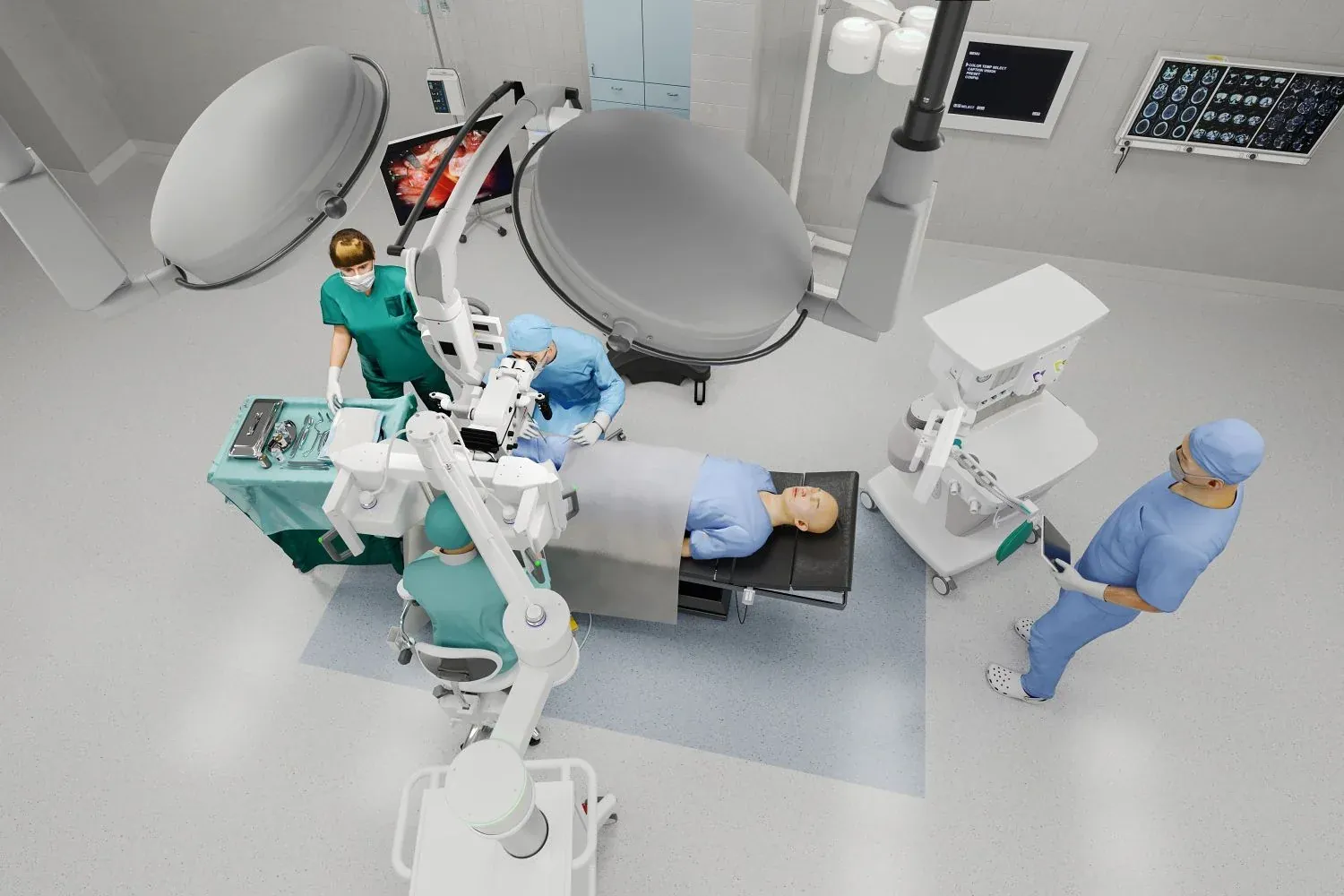
The Right Budget Approach for Medical Animation Prices
Medical animation prices are shaped by the scope of the project rather than a fixed rate card. That is why, when comparing quotes, it is necessary to look not only at the total amount but also at which production stages, usage rights and language options they include. Clarifying the scope at the outset prevents unexpected costs from arising during production and makes the budget more predictable. The fact that an animation can be used for years in training, congress presentations and digital channels also means the cost can be seen as a long-term investment in a visual asset. To determine the budget and process plan that suits your project's scope, you can get in touch with us.
Frequently Asked Questions About Medical Animation Prices
How much does medical animation cost?
The cost is determined not by a fixed rate card but by the project's production intensity. The range becomes clear once it is calculated how many models, how many simulations and how many render hours are needed per second. That is why a serious agency asks first for information on the script, length, language and use case instead of sharing figures before the scope is clear.
Can a small clinic afford a medical animation?
It is possible when the scope is narrowed correctly. A short patient education video explaining a single procedure is produced with a noticeably more accessible budget than a multi-scene surgical explanation. Drawing on existing anatomical model libraries and starting with a single language also keeps this range under control.
Is there an extra charge if updates are made after the animation is completed?
Which stage the change affects is decisive. Text and subtitle corrections can usually be resolved at a limited cost, but changes to the scene flow or the model mean rendering again. Defining the update scope in writing at the contract stage makes this item predictable.
How is the return on a medical animation investment measured?
Measurement differs according to the channel where the animation is used. On the training side, video use in clinical training is tracked through comprehension and the need for repetition; on the sales and promotion side, watch time, demo requests and the number of interactions at the congress stand are monitored. Being able to use the same content in more than one channel directly improves the return calculation.
Blog
All posts→

Your next project
Let's build
together.