
AI-assisted, fast and scalable video production
VR experiences for trade shows, events and training
Touchscreen kiosk software and hardware
3D hologram display and stage solutions

Industrial Animation Costs: How to Plan Your Budget?
Industrial animation prices vary by length, level of detail and technology. Discover the factors that affect cost for your 2026 budget planning.
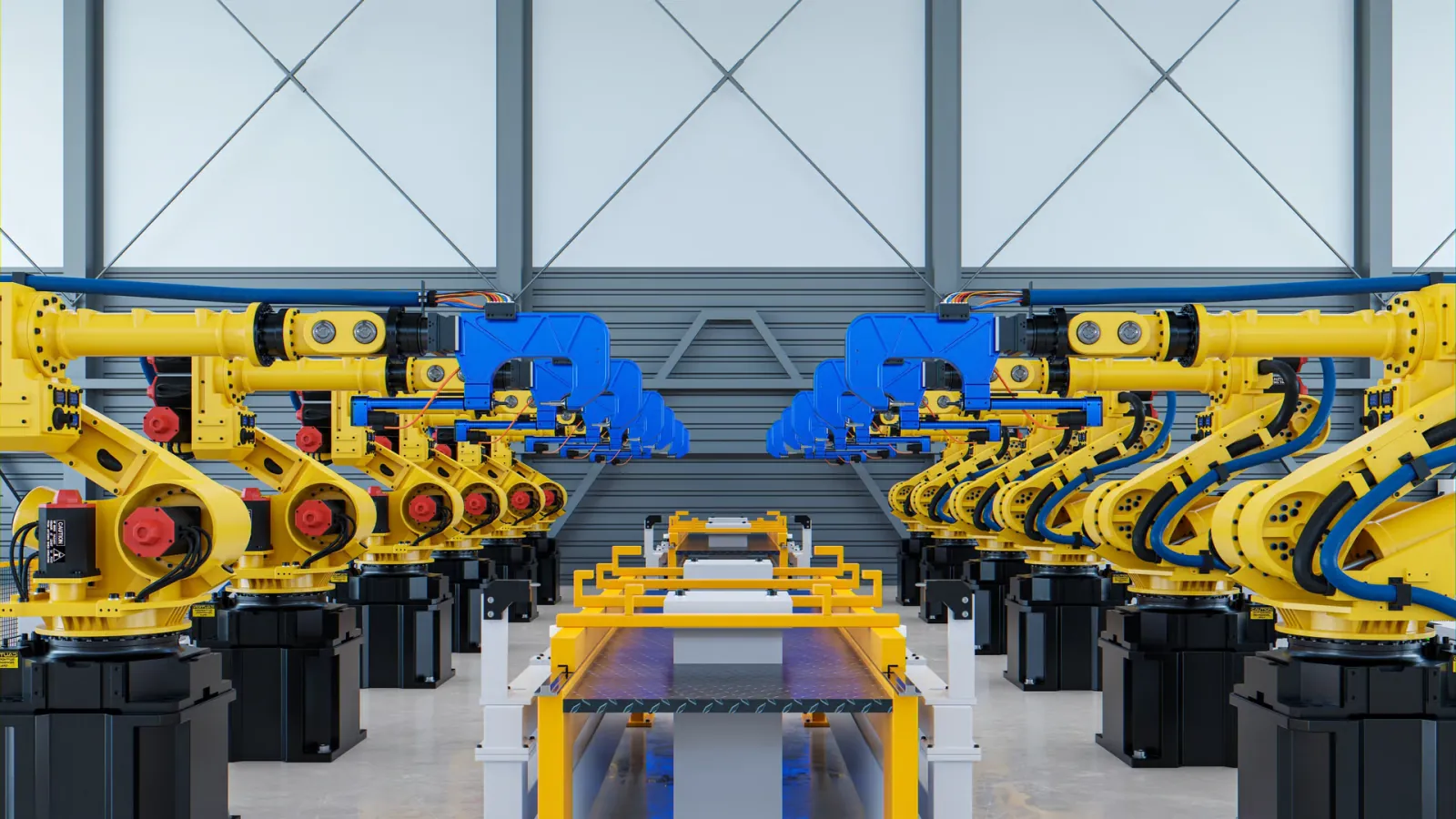
Industrial animation prices directly reflect the difference between presenting a single machine and visualising an entire production line step by step. From factory processes to energy investments, every project brings its own scope, modelling load and delivery schedule. In this guide, we explain in detail the items that make up the cost, the current price trends of 2026 and the topics that clarify the budget at the quotation stage.
What Do Industrial Animation Prices Cover?
The figure in a quote is the price not only of the image on screen but of the entire production chain that creates it. Analysing technical documents, designing the script, preparing the models and post-render editing all sit within the same budget. When evaluating industrial animation prices, which of these items are included in the quote and which are kept optional is decisive.
A standard industrial animation production usually includes the following stages:
Reviewing technical drawings, CAD files and product documents
Preparing the script, narration text and storyboard
3D modelling, texturing and scene set-up
Animation, camera movements and lighting work
Rendering and the post-production stage
Voice-over, music, sound design and subtitle integration
Revision rounds and format delivery for different platforms
Factors That Determine Industrial Animation Prices
Costs are shaped not by a fixed list but by the technical load of the project. If one of two animations of the same length explains a machine with a few parts and the other a multi-station line, their budgets can differ.
Animation Length and Number of Scenes
A short product introduction and a long process explanation do not carry the same workload. As the length increases, the number of scenes, camera design, modelling needs and render time all grow together. What matters here is not only the minutes but the density of scenes packed into them. One minute driven by rapid cuts can require more effort than three minutes in a single shot.
Modelling and Level of Detail
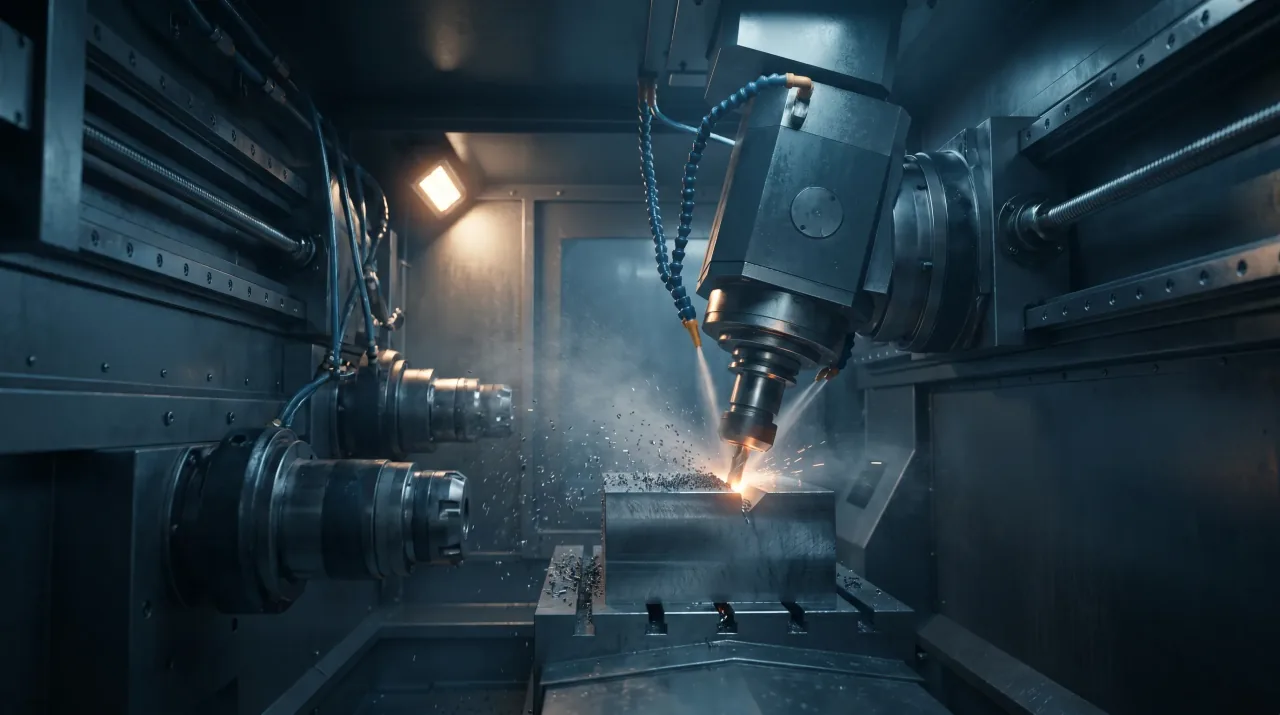
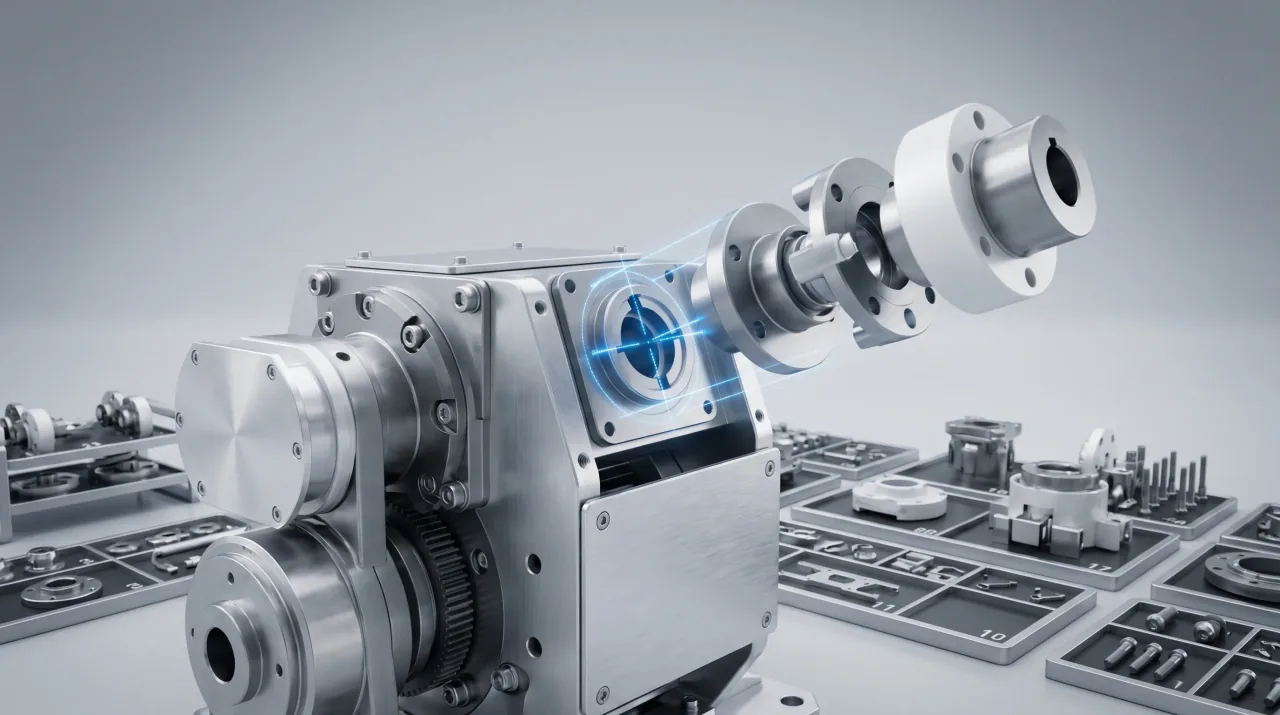
While visuals of machines with simple geometry are prepared quickly, modelling lines made up of thousands of parts extends the process. A clean CAD file supplied by the client is a significant advantage, but making these files suitable for animation still requires optimisation. Keeping the level of detail proportional to the message being conveyed eliminates unnecessary modelling load.
Script and Content Preparation
The organisation communicating the script clearly is one of the most effective steps in shortening the production schedule. When the agency has to design the technical content from scratch, gather field knowledge and build the narrative language, this work is reflected in the budget. Appointing a contact at the start of the project to check technical accuracy also reduces costly reworks that arise in later stages.
Voice-Over and Language Options
Professional voice-over in a single language is treated as standard scope in most projects. For multilingual versions requested by export-oriented companies, separate script adaptation, voice-over and edit adjustments come into play for each language. Settling on voice-over in 3D animation early allows subtitle and timing work to be planned in one go.
Technology and Narrative Style
2D explanations offer a relatively economical solution for schematic processes. 3D production comes to the fore in work that requires a realistic sense of volume, material and light. The choice between 2D and 3D animation is directly reflected in the budget. VR and AR applications, which come into play when an interactive experience is expected, form a separate software development item.
Delivery Time and Revision Rights
In most projects, the standard production schedule is planned at two to four weeks. For work that has to be ready for a trade show, launch or tender deadline, increasing team capacity can create additional cost. How many revision rounds the quote includes, and up to which stage revisions can be made, is also a technical detail that affects the total budget.
How Much Does Industrial Animation Cost? Price Range by Project Type
Rather than a fixed figure, understanding which category a project falls into gives a healthier budget framework. In the table, you can compare common project types by their modelling load and impact on the budget:
Project Type | Key Content | Modelling Load | Impact on Budget |
Single machine presentation | The product's working principle and technical advantages | Limited number of parts | Low |
Production line explanation | Flow between stations and the automation process | Multi-part scene set-up | Medium |
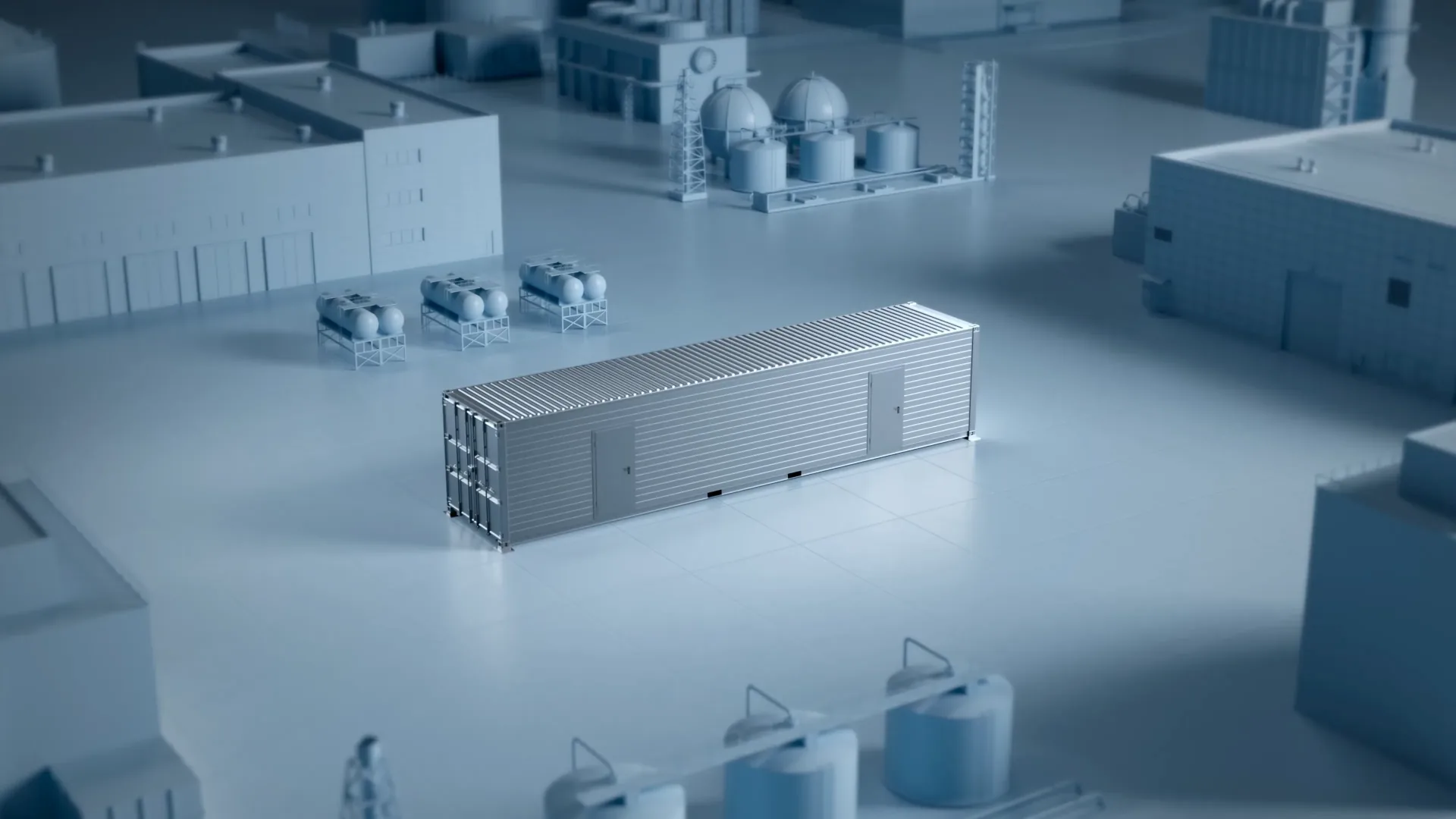
Facility and factory visualisation | Layout plan, volume and site landscaping | Large-area modelling | Medium and above |
Investor presentation animation | Capacity, investment stages and data visualisation | Graphics-heavy scenes | Medium |
Interactive VR and AR application | A scenario in which the user interacts with the scene | Real-time optimisation | High |
Market Dynamics Affecting Industrial Animation Fees
As the role of visual content in corporate communication grows, the bar for production quality has started to rise too. Technical sales teams requesting content for trade show screens, websites, proposal files and field presentations at the same time is widening project scopes. This spread stands out as the first factor creating upward pressure on industrial animation prices in 2026.
AI-assisted tools, meanwhile, help speed up draft scenes and previsualisation. In industrial projects where technical accuracy is essential, modelling based on engineering data, scale checks and approval stages remain in place, so this acceleration may not translate directly into a budget reduction. The main cost item continues to be this verification work that cannot be automated.
Other factors shaping budgets include:
Rising software licence and render infrastructure costs
Expectations of 4K and higher resolution with high realism
Demand for multilingual content for export markets
Delivering the same content in different aspect ratios for trade show screens, websites and social media
Requests for source files and long-term usage rights for the corporate archive
Topics That Clarify the Budget at the Quotation Stage
Most of the difference between quotes comes from how the scope is defined. Clarifying the following topics at the start of the project makes it possible to receive comparable quotes and avoid surprise items during production:
Purpose: Distinguishing between promotion, training, occupational safety or an investor presentation
Scope: Which machines, stations or processes will be explained
Source files: Whether CAD, technical drawings and product documents are ready
Language and voice-over: How many languages delivery is expected in
Revisions: The number of rounds included in the price and the terms for additional revisions
Delivery formats: The sizes needed for trade show screens, web, social media and presentations
Usage rights: The scope of duration, media and source file transfer
Experienced teams raising these questions in the first meeting helps prevent 3D animation mistakes.
The Return on Investment of Industrial Animation
A well-designed animation stops being a single-use promotional item and becomes an asset that stays in circulation for years in sales, training and investor communication. Using the same file in parallel as a proposal attachment, on a trade show screen, in dealer training and in corporate presentations spreads the cost not over a single campaign but over a usage period of several years. Taking this lifespan into account when evaluating industrial animation fees turns the cost into more than a one-off expense.
Once production is complete, the gains usually become visible in the following areas:
Shorter explanation time in technical sales meetings
Overcoming the language barrier with international customers through visual explanation
Longer attention spans and a higher rate of visitors staying at the trade show stand
A standard piece of content replacing repeated explanations in field training
Being able to convey occupational safety scenarios without requiring a hazardous environment
Especially for companies in the industrial sector, using the same animation in parallel across sales, training and corporate promotion channels noticeably shortens the payback period of the initial investment.
Industrial Animation Prices Become Predictable as the Scope Becomes Clear
A healthy budget starts with scope, not with a figure. Once the purpose of the project, the number of processes to be explained, language needs and the delivery schedule are clear, industrial animation prices also settle into a predictable framework. Providing technical files ready, appointing the decision-maker from the start and putting revision terms in writing are the three basic steps that make both cost and production time predictable. If you would like a scope and budget assessment for an industrial animation project that suits your organisation's needs, you can get in touch with our team.
Frequently Asked Questions About Industrial Animation Prices
How long does it take to prepare an industrial animation quote?
Once the scope information and technical files are shared, quotes are usually finalised within a few business days. Delays mostly stem from the number of processes to be explained remaining unclear. Sharing a reference video in the initial meeting helps the expectations to be understood faster.
Does updating an existing animation cost the same as a new project?
If the source files are accessible, an update usually works out more economical than producing from scratch. Changing only a few scenes, the text or the logo requires limited work. When the source files cannot be obtained, rebuilding the models comes into play.
Can a suitable scope be created for small companies?
Narrowing the scope stands out as the most effective method in these projects. A short explanation focused on the working principle of a single product can be planned with a much more limited budget than a large facility visualisation. Companies that progress in stages can use the first animation as a base and add new scenes in the following years.
Blog
All posts→


Your next project
Let's build
together.