
Films that explain products, machines and processes in 3D
Cinema-grade commercials, launch and brand films
VR experiences for trade shows, events and training
3D product tours, interactive walls and gamification
3D hologram display and stage solutions
Using 3D Animation in the Defense Industry
This guide covers the use of 3D animation in the defense industry, the types of animation, the preparation process and its role in export presentations, with examples.
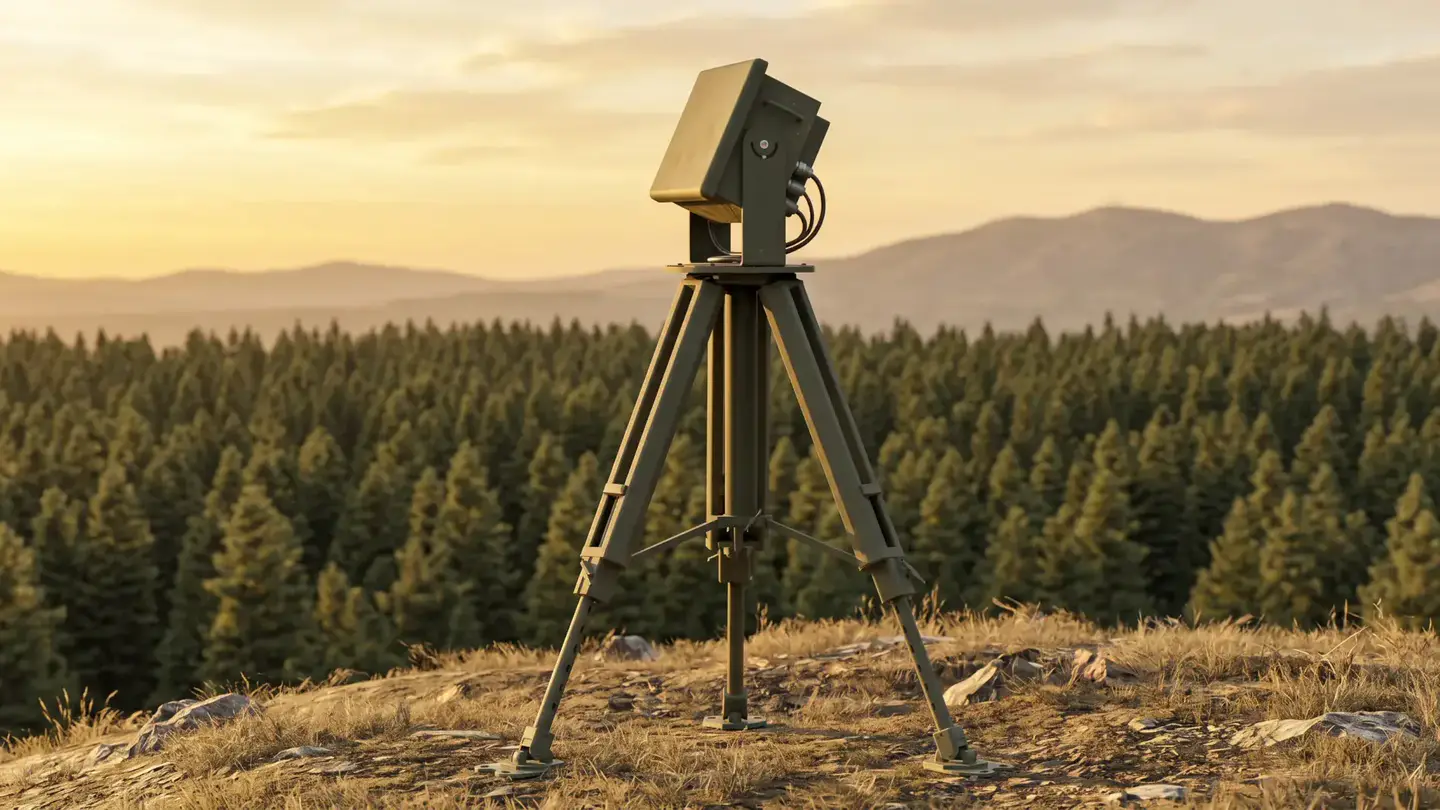
3D animation work in the defense industry stems from the need to explain the capabilities of high-precision systems while staying within confidentiality limits. When the internal structure, mission scenario and integration logic of tanks, UAVs, missiles and radar systems are conveyed through text alone, the picture is often incomplete. This guide looks at the stage at which visualisation comes into play, which types of animation are preferred and what is clarified during the preparation process of a project.
What Is 3D Animation for the Defense Industry?
The essence of this work is modelling military platforms and subsystems in three dimensions based on their technical data, and then explaining them through moving scenes. The starting point is not visual aesthetics but the accurate transfer of engineering data. Cutaway views, part movements, signal flows and mission scenarios reach the viewer with a completeness that technical drawings or presentation slides cannot carry.
This approach can be seen as a form of the 3D animation discipline adapted to the needs of the defense and aerospace sectors. The key factors that set the production process apart are limited access to data, long approval chains and the small amount of imagery that can be shared. For this reason, the scenario, the level of modelling detail and scene choices are planned with these constraints in mind from the very beginning. Many decisions that could be left to the creative team in a commercial product film become part of the approval process in these projects.
Contributions of 3D Animation to Military and Defense Products
A system's technical superiority does not turn into commercial or strategic value if the other side does not understand it. Here, visualisation is not a promotional decoration but the carrier of technical communication. Especially for products that are still in development, at the prototype stage or impossible to film in the field, animation becomes the only form of explanation available.
Explains Product Capabilities Clearly and Powerfully
Explaining the internal structure or mission scenarios of products such as tanks, UAVs, missile systems and radars with text or static drawings alone is difficult. Because moving scenes show the position of parts relative to each other and their order of operation at the same time, they complete the connections missing in the viewer's mind. The topics that become visible through animation are usually:
The working principle of target tracking mechanisms
Simulation of battle scenes and engagement scenarios
System integration and the interaction between components
Sequential presentation of maintenance and deployment steps
Provides an Advantage in International Presentations and Tenders
In export-focused meetings, the most visible contribution of animation is that it reduces the language barrier. A moving cutaway explanation is grasped faster than an untranslated technical document. It becomes easier for the other side to imagine the system in its own operational context, and the presentation leaves a better-prepared impression next to competing bids.
In 2025, Türkiye's defense and aerospace exports reached 10.05 billion dollars, an increase of 48 percent; in competition at this scale, the quality of the explanation is considered an integral part of the bid file.
The same material is also used in face-to-face contacts such as trade shows and delegation visits. When the system's difference has to be shown within a short window of attention, cutaway animations deliver results faster than printed documentation.
Creates Presentation Alternatives Compatible with Confidentiality
When real photographs or video cannot be used, animation opens up a controlled space for explanation. Which part will be visible, which dimension will be left abstract and which performance value will not appear on screen are decided at the start of the project. This way, information security is protected while the system's working logic can still be conveyed.
This control is one of the first topics clarified before production in defense and aerospace projects. If the level of abstraction is changed later, the modelling and rendering stages have to be revisited, and the schedule slips accordingly.
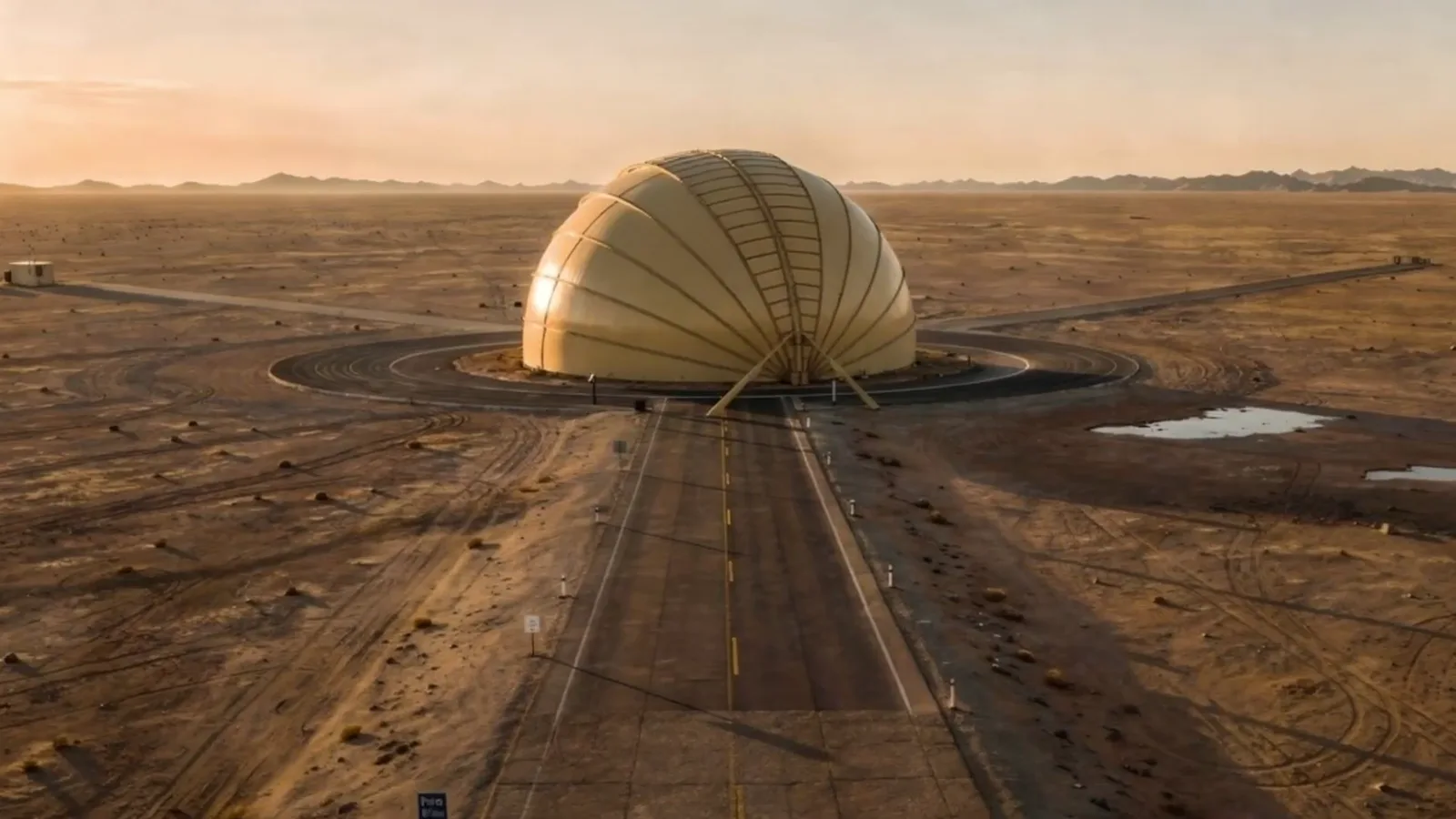
Why Is 3D Animation Important for the Defense Industry?
The return on the budget allocated to visualisation mostly shows up at the presentation table and in the training room. When the same model is reused in different formats, the cost turns not into a single promotional film but into a long-term communication infrastructure. The main benefits are:
Conveying product features to investors and military institutions in a short time
Being able to present systems that are still in development
Preserving technical depth in sales and marketing presentations
Supporting the emphasis on national technology with concrete visuals
Producing training and supplier information materials from the same model
Types of Animation Used in the Defense Industry
The type of animation is chosen according to the content to be conveyed; there is no single format that suits every need. The types of animation frequently preferred in defense projects can be compared in terms of what they show and where they are used:
Animation type | What it shows | Typical use |
Exploded cutaway | Layer-by-layer separation of the internal structure of ammunition, a missile or a drone | Technical presentation, investor presentation |
System integration simulation | Different hardware working together on a shared mission | Tender file, delegation presentation |
Mission and field scenario | Target tracking, detection and engagement flow | Explaining operational capability |
Training animation | Operating steps, maintenance and fault procedures | Personnel and supplier training |
Data flow visualisation | Information flow between sensor, command and communication layers | Explaining the software side of a system |
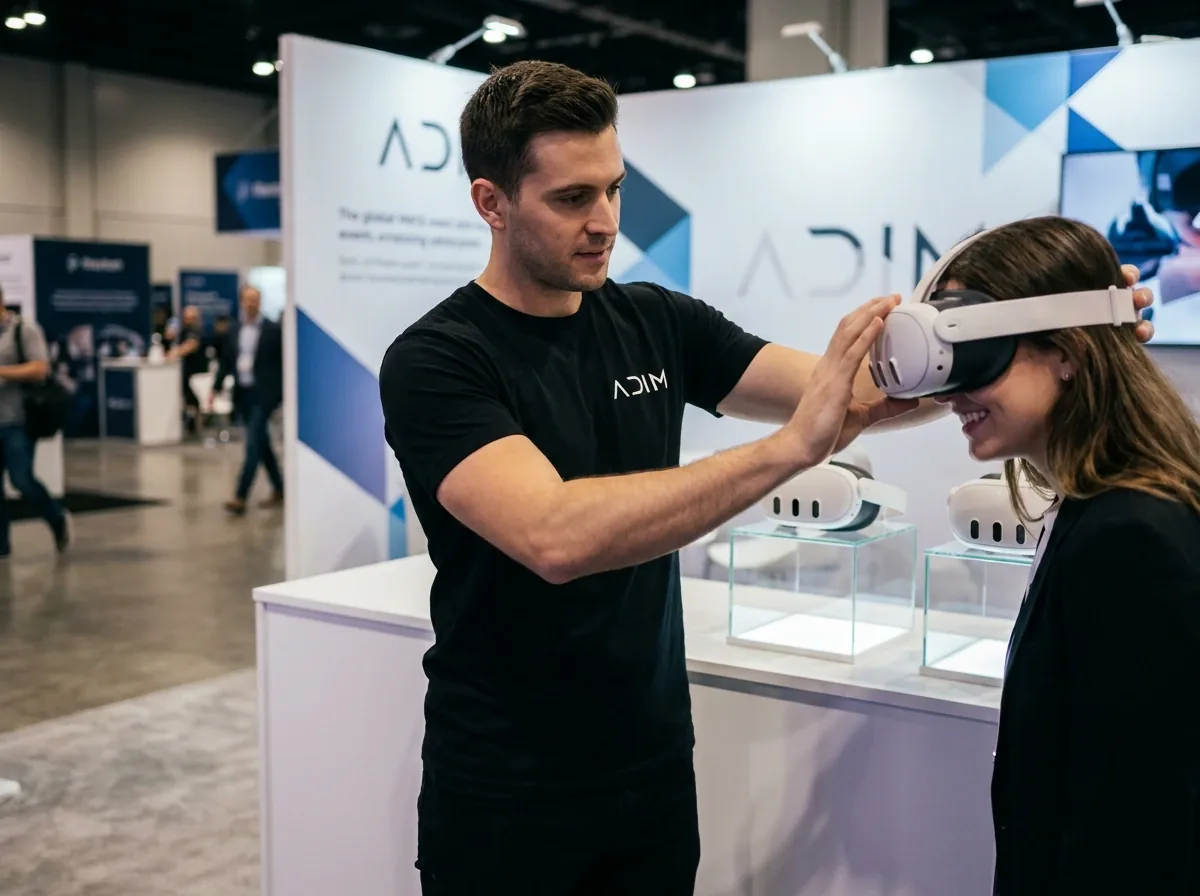
The training side usually requires a separate production logic. A presentation film aims for impact, while a training animation aims for repeatable learning; even if they are produced from the same model, scene length, narration script and level of detail differ. When an interactive experience is needed, the same assets can also be carried over to VR and AR applications, so a single modelling investment is put to use across more than one channel.
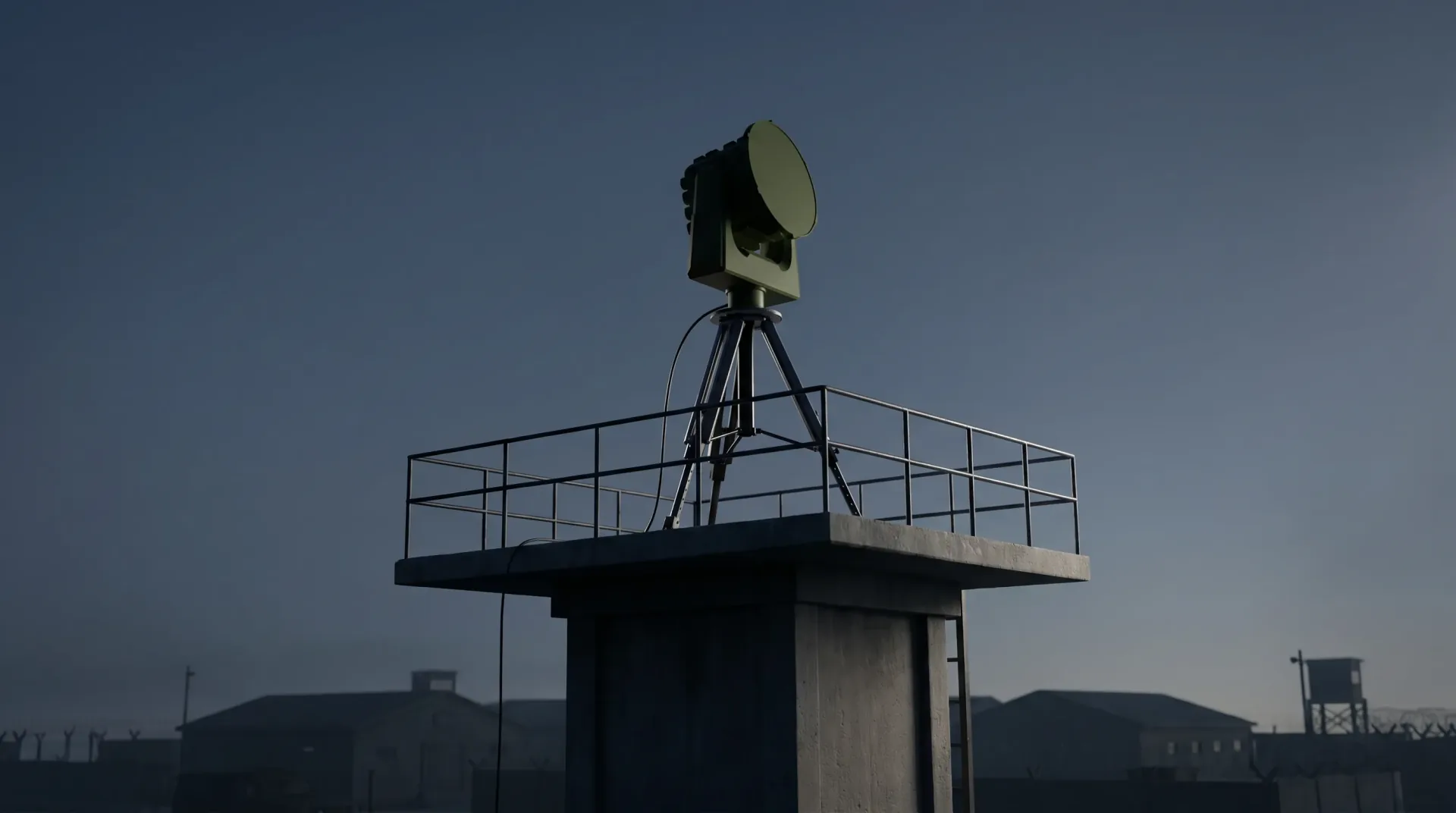
How Is a Defense Industry 3D Animation Project Prepared?
The process starts with data, not with a creative idea. Because the accuracy of the model depends directly on the quality of the technical input available, the preparation stage is often more decisive than the animation stage.
Preparing Technical Data and the Scenario
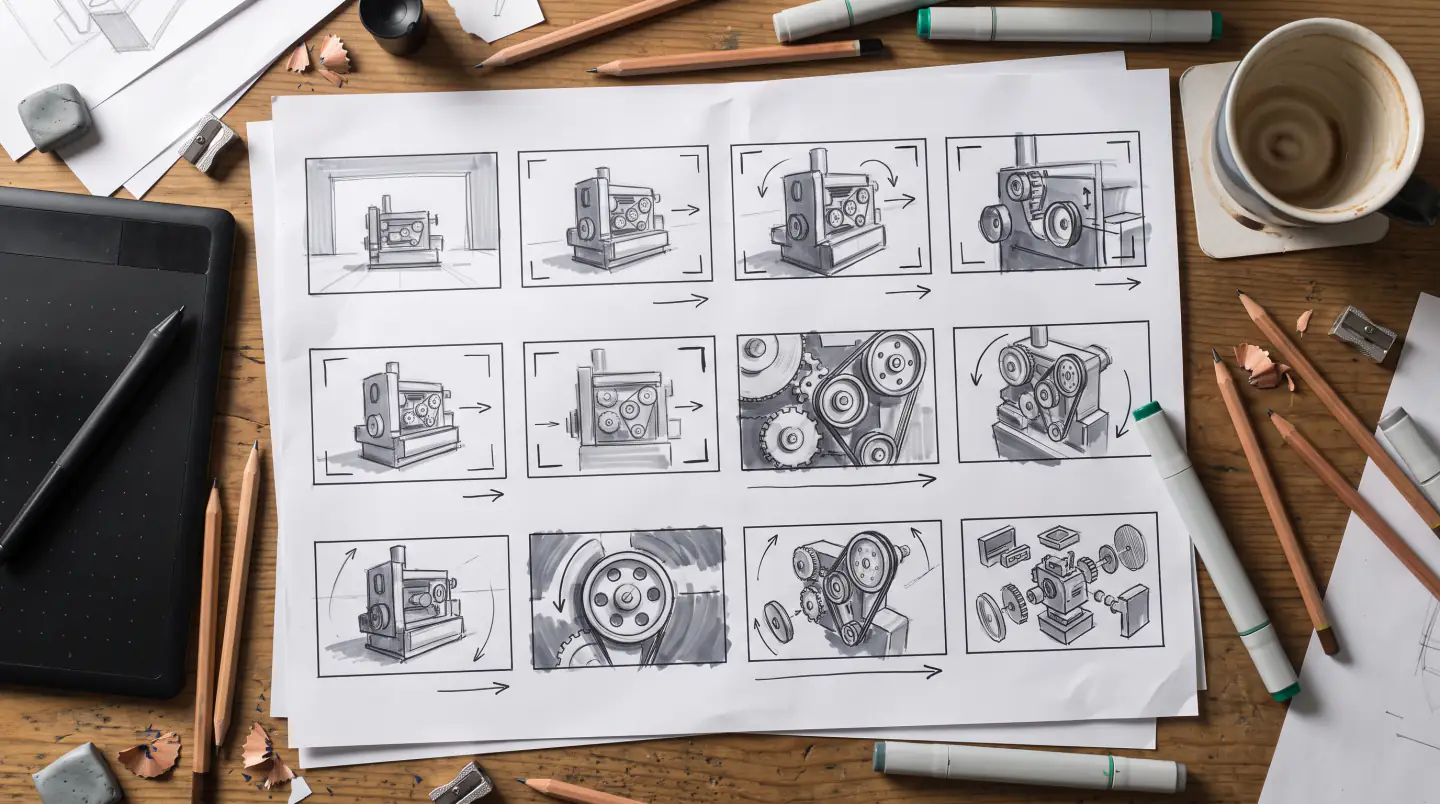
In the first stage, CAD files, technical drawings, dimension tables and, if available, reference photographs are brought together. In line with the confidentiality agreement, it is clarified which data can be shared and which details will not be shown. Then the basic structure of the narrative is built: Which capability will be shown in which scene, from which angle will the camera be positioned and in what order will the information be conveyed? Once this plan takes concrete form on a storyboard, the approval process becomes easier and the need for revisions during production decreases. The following steps can be followed during preparation:
Collecting technical documents and CAD files
Defining the level of confidentiality and the details that will not be shown
Creating the scenario and the scene order
Submitting the storyboard and camera plan for approval
Deciding on the narration script and language options
Modelling, Animation and Post-Production
Based on the approved plan, modelling, material definitions, camera moves and effect layers are built in order. After the render outputs are received, editing, colour, sound design and graphic layers are combined. Touches made at the post-production stage noticeably change how easy the technical explanation is to follow. In multilingual presentations, the choice between subtitles and 3D animation voiceover is also made at this stage and varies according to the expectations of the target market.
When the stages are connected following the logic of a 3D animation production line, the flow stays predictable. Most problems arise from going back to a stage that has already been approved.
Factors Affecting Budget and Schedule Planning
In defense projects, the factor that determines cost is less the length of the animation than scene complexity and the approval chain. A cutaway explanation of a single platform and a joint mission scenario of multiple systems create different workloads even at the same length in minutes. Data transfer progressing in fragments because of confidentiality is also among the factors that extend the schedule.
In planning, the following topics are usually assessed together: number and complexity of scenes, level of modelling detail, effect density, number of language versions and revision rounds. The same variables also determine the range of 3D animation prices. In shorter formats aimed at decision-makers, the investor presentation narrative focuses on the rationale for investment rather than technical detail.
Common Storytelling Mistakes
A technically flawless render does not have the expected impact without the right narrative structure. One of the most common problems is loading more than one goal onto a single video. When the same content is prepared to be used in a tender presentation, in personnel training and in social media promotion, it cannot focus sufficiently on any of these purposes.
Another common mistake is not setting the scene pace according to the technical content. Fast transitions make the complex features of the system harder to understand, while scenes that are longer than necessary can distract the viewer. The product animation approach, which shapes the message around a single capability, makes it easier to strike this balance, especially in short formats.
The Right Start for Defense Industry 3D Animation Projects
What determines the outcome is less render quality than the clarity of the preparation stage. When it is defined from the outset who the target audience is, which capability will be highlighted and which detail will stay off screen, production progresses close to the planned time and budget. When confidentiality limits, language needs and the presentation environment are put on the table at the same stage, later change requests decrease noticeably. In defense industry 3D animation projects, this preparation discipline is the most concrete step that ensures technical superiority reaches the decision-maker in full.
Would you like to visualise your product presentations with 3D animation? Get in touch with our team and let's bring your 3D animation projects to life together.
Frequently Asked Questions About 3D Animation for the Defense Industry
Is institutional approval required for the technical detail shown in the animation?
The level of detail to be shown on a classified platform depends on the manufacturer's own information security procedure and, where applicable, the approval of the authorised institution. For this reason, the scenario and storyboard stage is prepared like a document to be assessed by the approving authority. Approval obtained before production removes the need to cut scenes after rendering.
How is technical data protected during the project?
In practice, a three-layer approach is preferred: a confidentiality agreement, restricted access and sharing only the files that are needed. Transferring the relevant sub-assembly instead of all the CAD assets reduces both the data load and the risk. Who keeps the source files after project delivery is also a topic clarified at the contract stage.
If the prototype design changes, does the animation become unusable?
What matters is which layer the change affects. When the external geometry is kept and a sub-component is updated, only the relevant cutaway scene is produced again; when the body form changes, modelling is revisited more broadly. For platforms that are still in development, building scenes as independent sections reduces this risk.
Which language and units of measurement are preferred in international delegation presentations?
English narration provides common ground in most meetings, while versions specific to the target country are prepared in a second stage. As for units of measurement, the choice between the metric and imperial systems is based on what the audience is used to. Keeping units and terms in a separate layer allows new versions to be produced quickly.
What team contribution is expected from the manufacturer?
For an accurate explanation, it is important to have a technical contact involved in the process; usually a product manager or systems engineer takes on this role. This person provides the CAD and dimension data, checks scene accuracy and manages the approval chain. The marketing side contributes to the process with the message order and the definition of the target audience.
Blog
All posts→
Your next project
Let's build
together.