
AI-assisted, fast and scalable video production
VR experiences for trade shows, events and training
Touchscreen kiosk software and hardware
3D hologram display and stage solutions
Industrial Product Animation Agencies: 8 Criteria for Choosing the Right Studio
How to evaluate industrial product animation agencies serving B2B brands, what to ask, and which criteria to weigh when making the decision — distilled from 100+ projects.
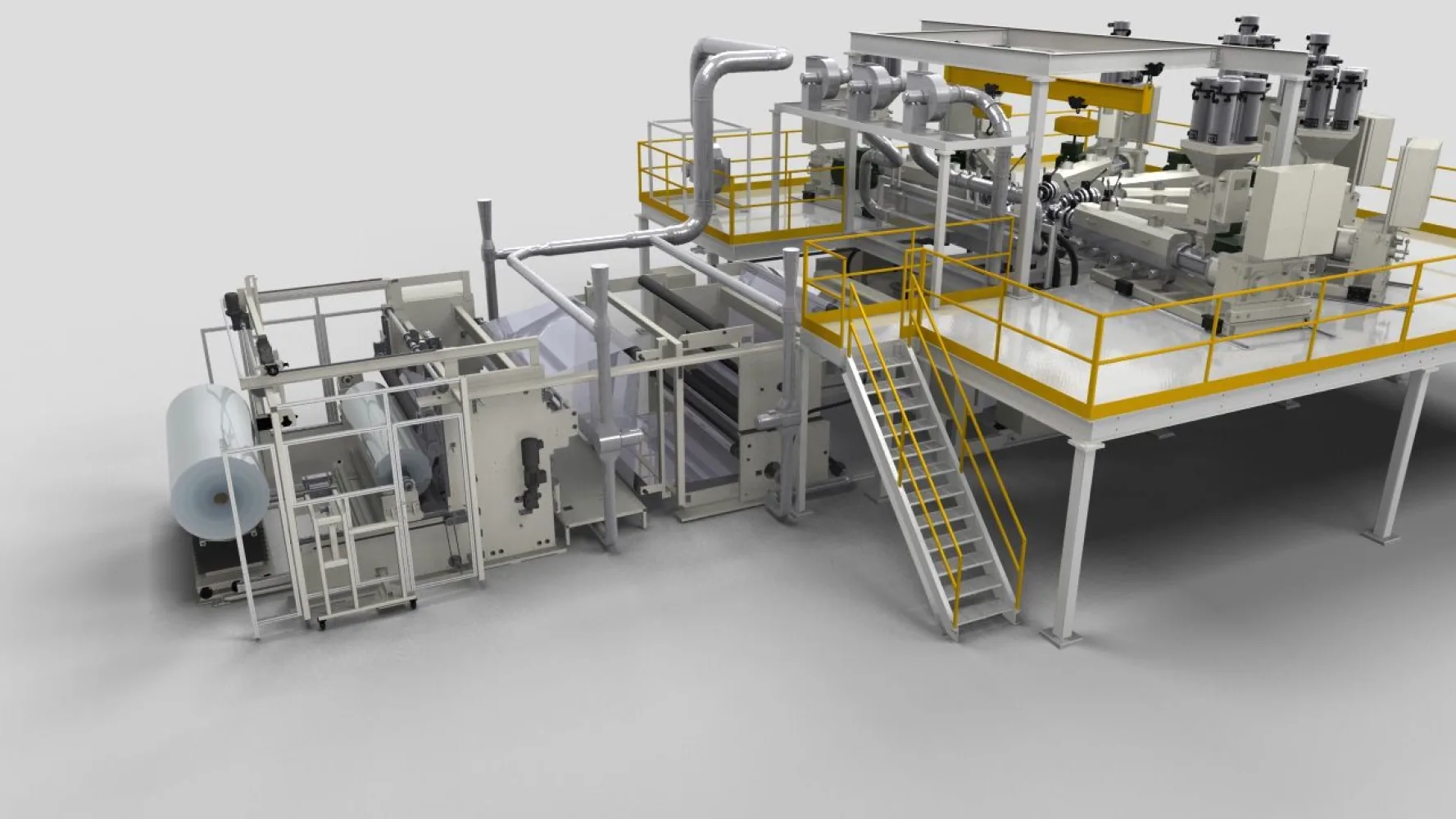
Explaining a pump's internal mechanism, a smart meter's operating principle, or a trailer's construction quality to a buyer, a distributor, or a trade-show visitor — in 90 seconds — is not something a brochure, a 50-page datasheet, or an Excel table can deliver. That's why B2B manufacturers, exporters, and technology companies have been steering meaningful budget into product animation in the last five years.
As demand grew, so did supply. Dozens of agencies, freelance teams, and studios in Turkey now claim to produce industrial product animation. Putting their quotes side by side won't reveal who's right for your project. The eight criteria below come from our experience across 100+ projects and form the filter we'd use ourselves.
1. Industrial references — is there sector depth?
Two things matter when you scan a portfolio: real client names and industry diversity. If the "creative 3D work" reel is wall-to-wall dancing characters and jewellery close-ups, the team probably doesn't know how to show a mechanical system.
At ADIM we've delivered real-client projects for KSB Amacan submersible pump, ESKA EDS natural gas circuit breaker, Visiott TPS FLEX-500, TGS Trailer, and Kanta Neeram industrial waste-water treatment system. That breadth signals a team that speaks the language of mechanical animation fluently.
Ask: What did you produce for which industrial client in the last 12 months? If the answer is abstract, alarm bells should ring.
2. Engineering literacy
Animating an industrial product isn't just generating nice imagery. Flow direction inside a valve, motor shaft rotation speed, sensor location, heat transfer dynamics — these are real engineering facts. Get them wrong and an engineer watching will spot it instantly.
A good agency asks for engineering drawings, CAD models, datasheets, and possibly a factory visit during briefing. Sending a reference video with "make it like this" is a surface-level approach.
3. CAD and technical file support
You already have product models in SolidWorks, CATIA, AutoCAD, or Rhinoceros. A professional industrial animation team:
Imports STEP, IGES, OBJ, FBX without friction
Doesn't insist on re-modelling from scratch (extra hours = extra invoice)
Runs mesh optimisation to keep the render budget sane
Texture-maps for realistic surfaces (stainless steel, anodised aluminium, cast iron)
If they reject your CAD or say "we'll re-model from zero," you're paying for hours you don't need.
4. Storytelling and narrative structure
The biggest trap in industrial animation is producing a narrated datasheet — feature, feature, feature. Viewers switch off.
Effective industrial animation surfaces the real-world problem the product solves, then introduces the solution. The Coldture film we produced, for example, runs on a field scenario rather than a feature roll-call — the buyer sees themselves in that scenario.
Ask: How do you structure the narrative? If the answer is "we list the features in order," you'll get a generic deliverable.
5. Render quality and visual language
Cinematic lighting setup, accurate reflectance, anti-aliasing quality, motion blur, depth of field — these aren't just "looking nice." They communicate manufacturing quality. An industrial film with a thin render budget makes your product look cheap.
Look for examples where surface materials read accurately, light comes from believable sources, and the colour palette stays consistent. It's not marketing — it's an engineering visual signal.
6. Process transparency
An industrial animation project typically runs 4–8 weeks. A clear process keeps the client oriented:
Brief and goal definition (week 1)
Script and storyboard approval (week 1)
Modelling + animatic (weeks 1–2)
Final animation + lighting + render (weeks 1–2)
Sound design + music + post (week 1)
Approval gates between phases prevent endless "one more revision" loops that wreck timelines and budgets.
7. Multi-output and format flexibility
A good industrial animation isn't a single 60-second master — it's an ecosystem of source files:
16:9 master for web and LinkedIn + 9:16 vertical for Reels / TikTok
Looping shorts for trade-show LED screens
Muted + subtitled version for investor presentations
Multi-language voiceover and subtitle tracks
Single-frame social media kit and teasers
Pulling this many formats from one production is what compounds your animation investment ROI.
8. Pricing and contract transparency
Avoid quotes that read "60-second animation — 80,000 TRY" on a single line. A real quote contains:
Time line items (modelling hours, animation hours, render hours)
Revision count (usually 2 major revisions included)
Sound design, voiceover, and music licences
Delivery formats and timelines
IP / licence terms (who may use, for how long)
Five questions to ask before deciding
Which real client did you produce for in this sector in the last 12 months?
Do you accept our CAD files, or will you re-model from zero?
Who writes the script and storyboard — us or you?
How does your revision flow work; what's the price for extra rounds?
Do you bundle social media, trade-show, and presentation formats?
At ADIM, we've completed 40+ industrial B2B animation projects in the last five years. Our industrial animation services page details the process, and the portfolio shows completed projects. To share a brief, fill in the contact form — we respond within 24 hours with a detailed proposal.
Blog
All posts→


Your next project
Let's build
together.