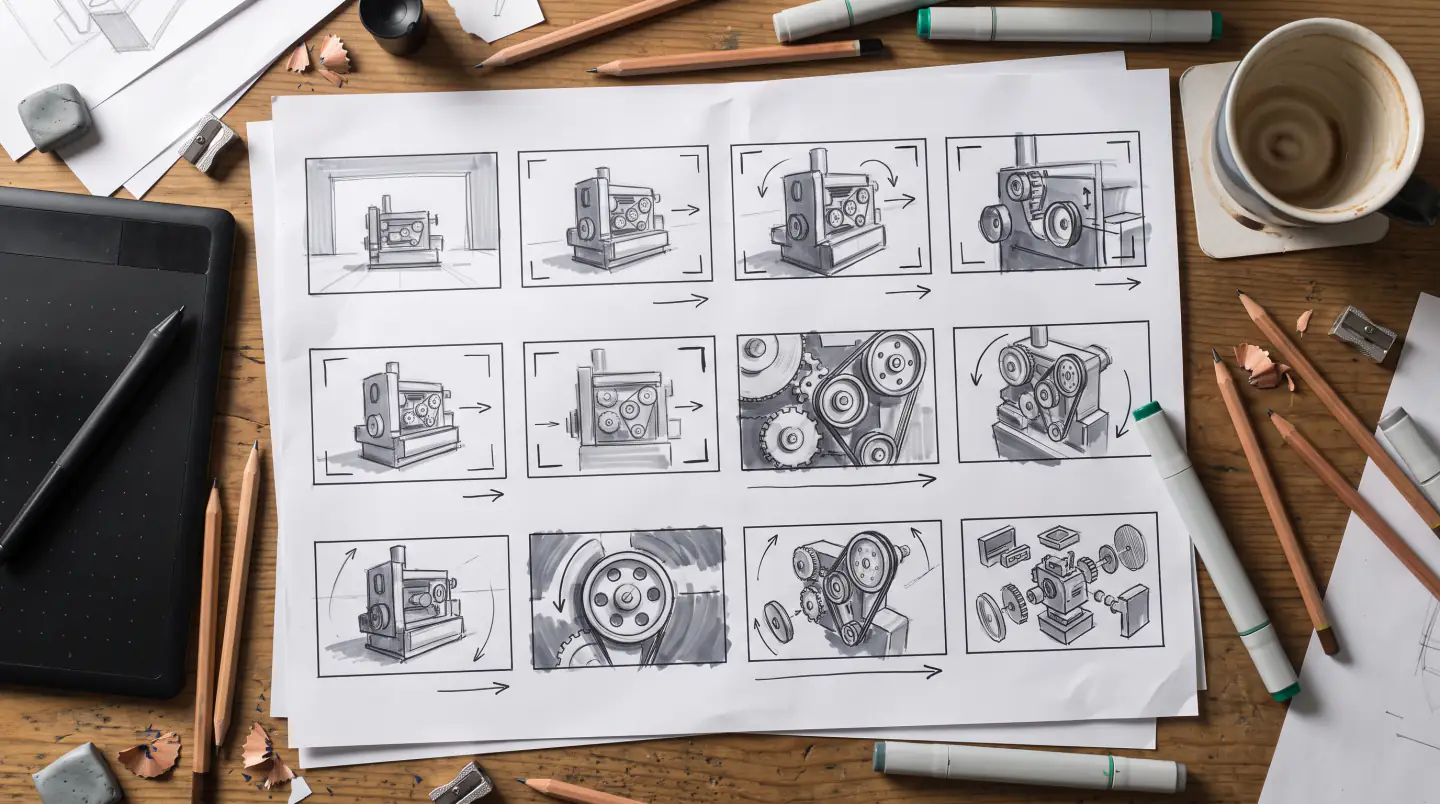
Films that explain products, machines and processes in 3D
Cinema-grade commercials, launch and brand films
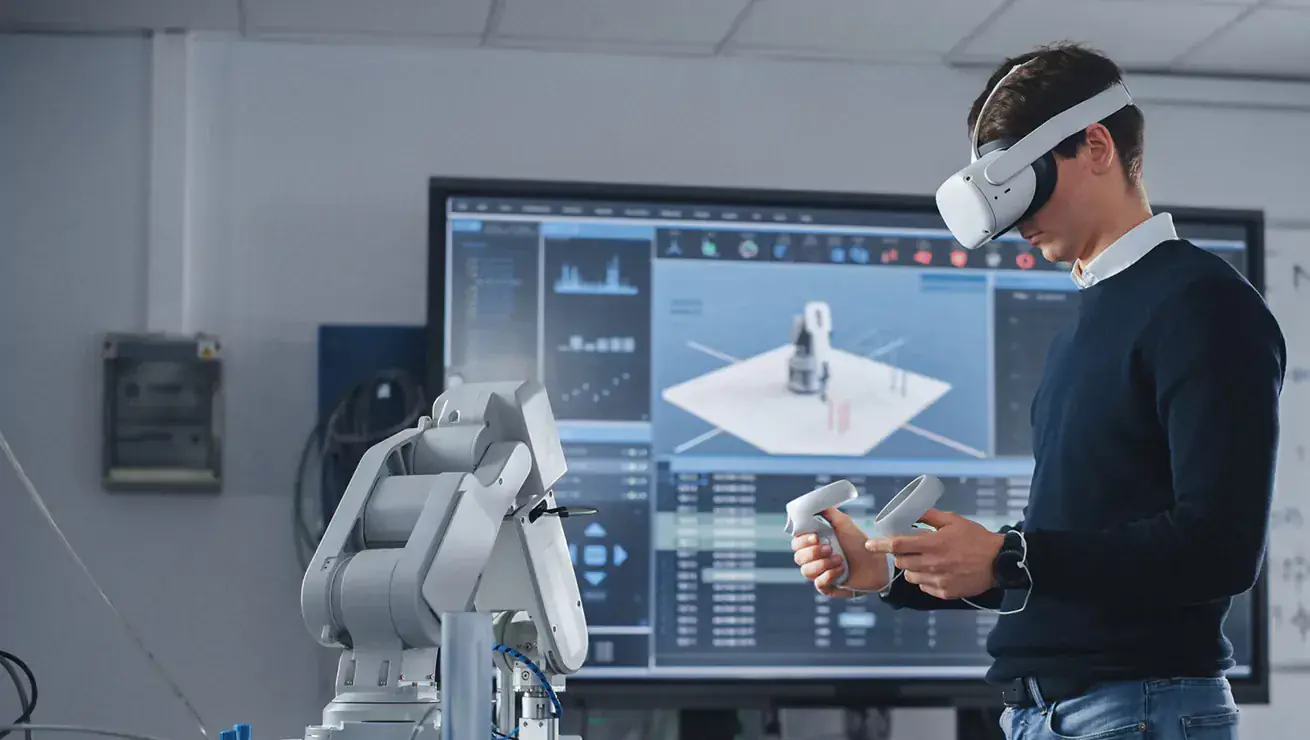
VR experiences for trade shows, events and training
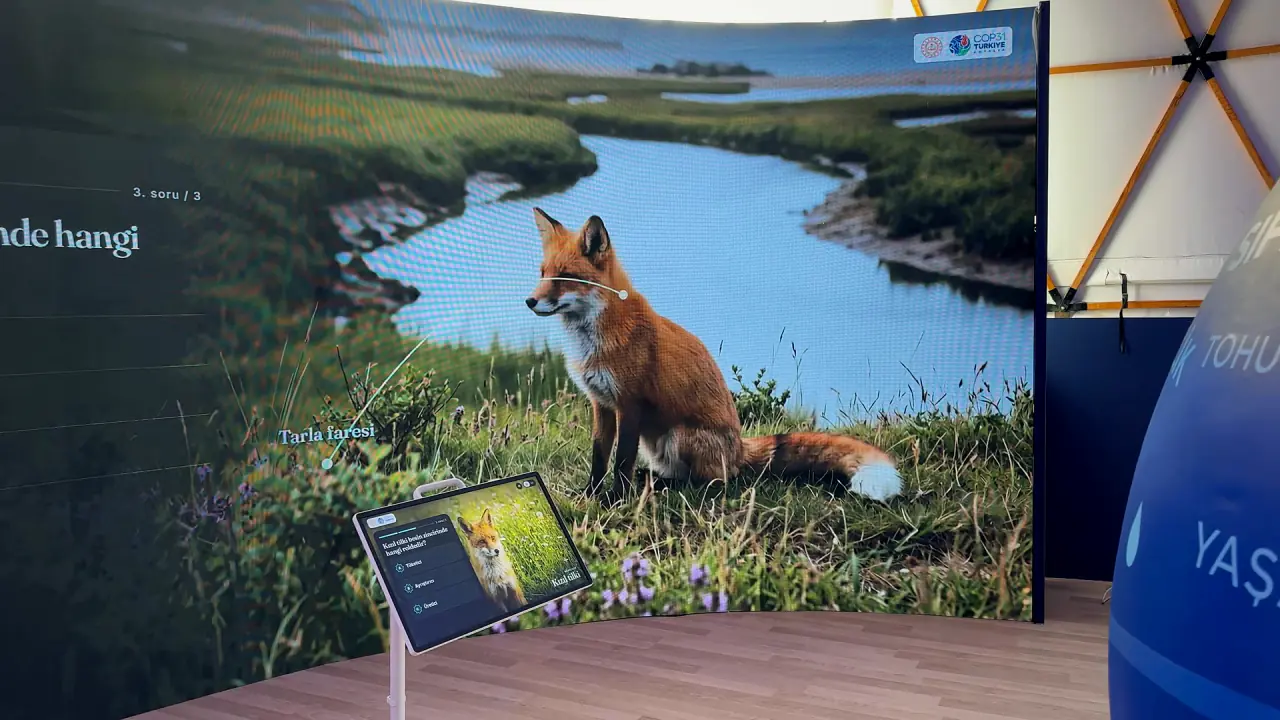
3D product tours, interactive walls and gamification
3D hologram display and stage solutions

How the Human Heart Works
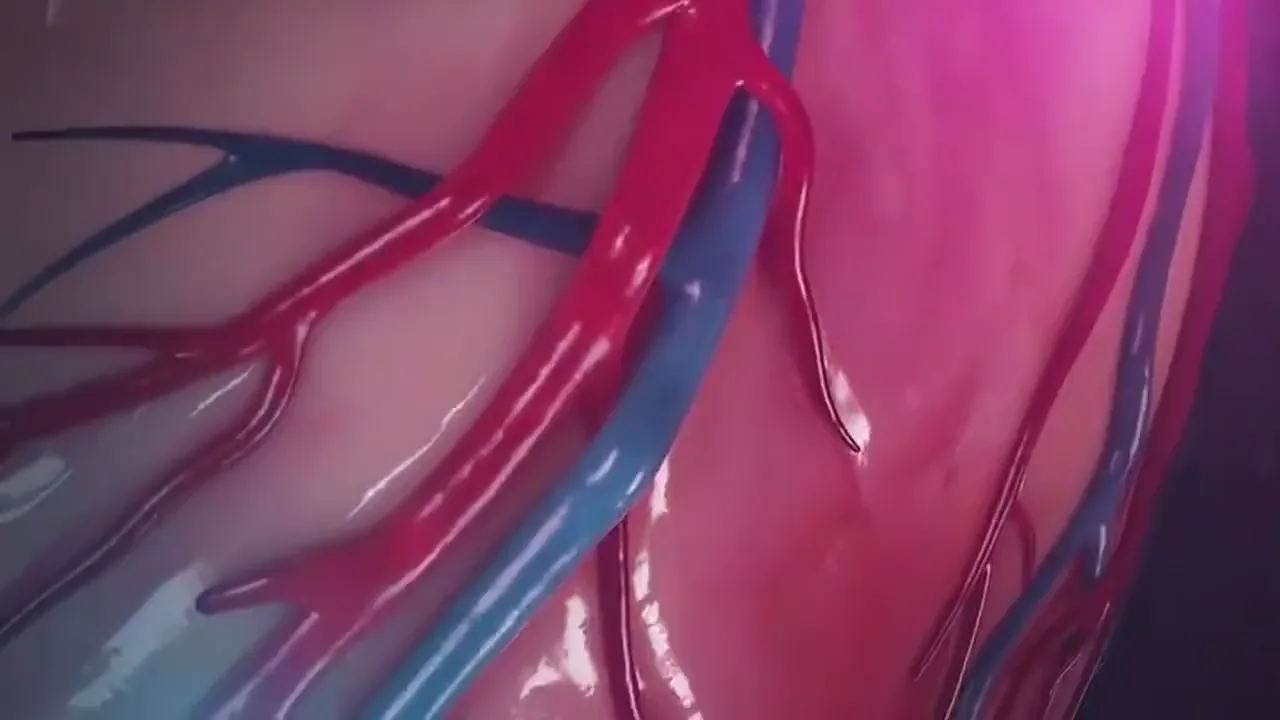
From the coronary vessels to the valves, from the outer surface of the heart into its chambers: we showed the structure of the human heart in a 59-second 3D animation told through images alone, without on-screen text.
0 sec
animation, from the outer surface into the chambers
0
scenes, from close-ups to cross-sections
0
valves, seen from above in the valve plane
Renders
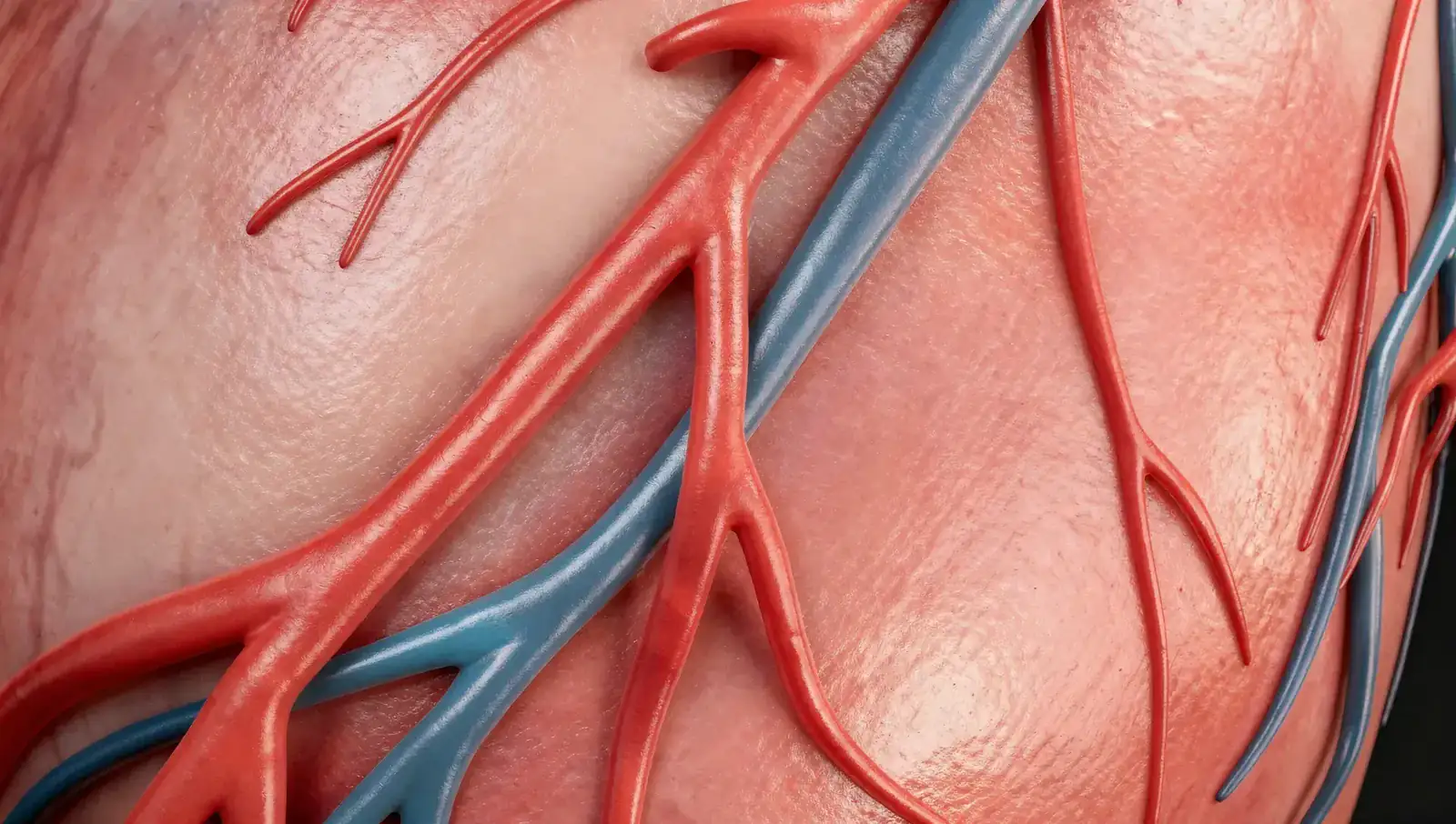
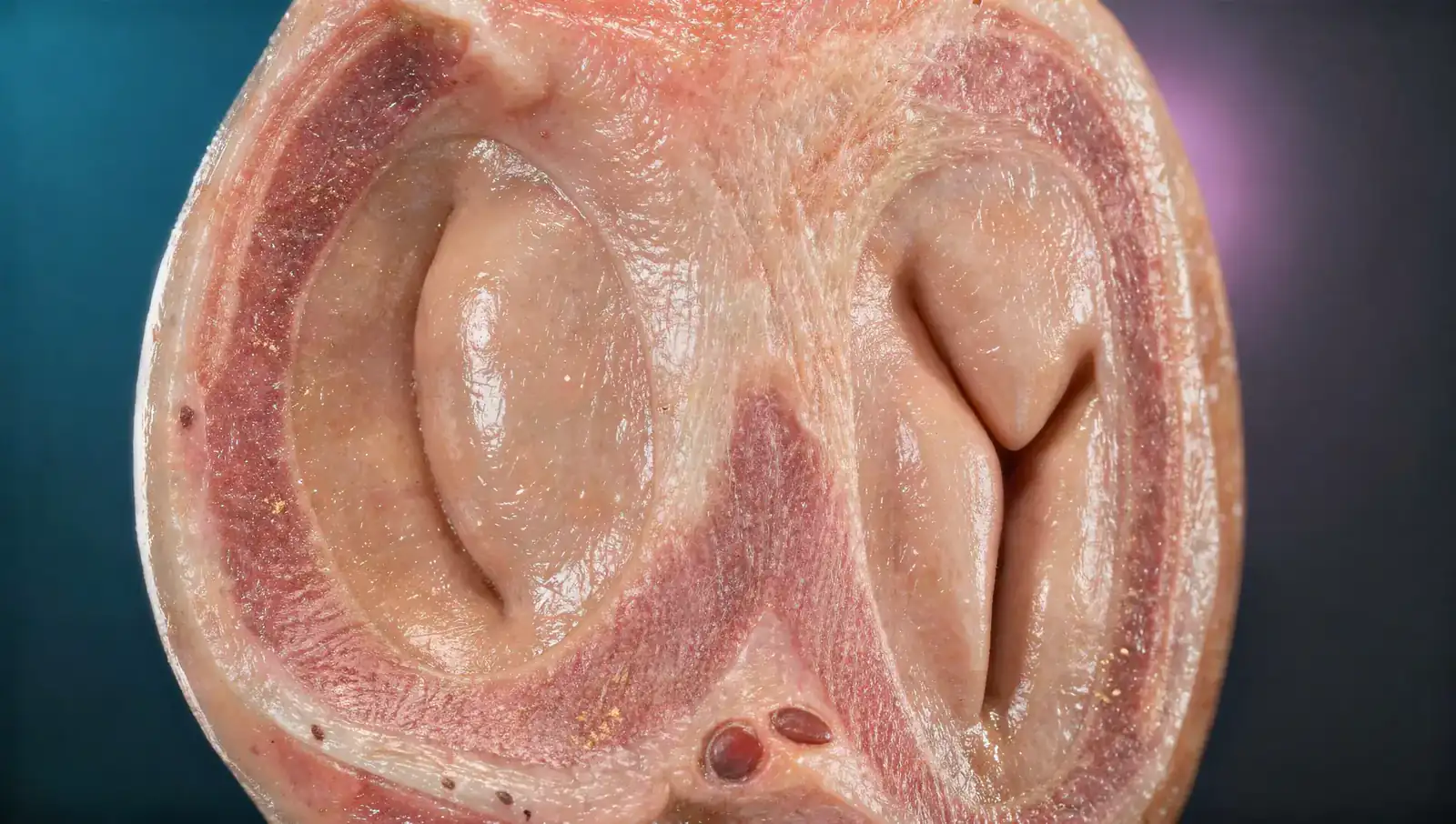
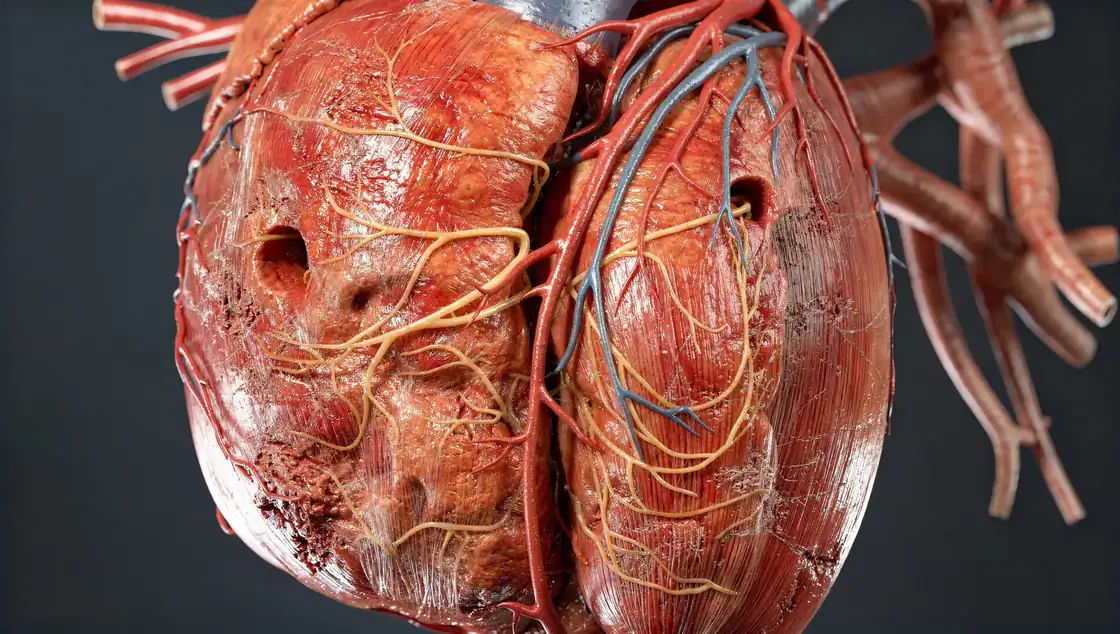
High-resolution renders from the animation's scenes.
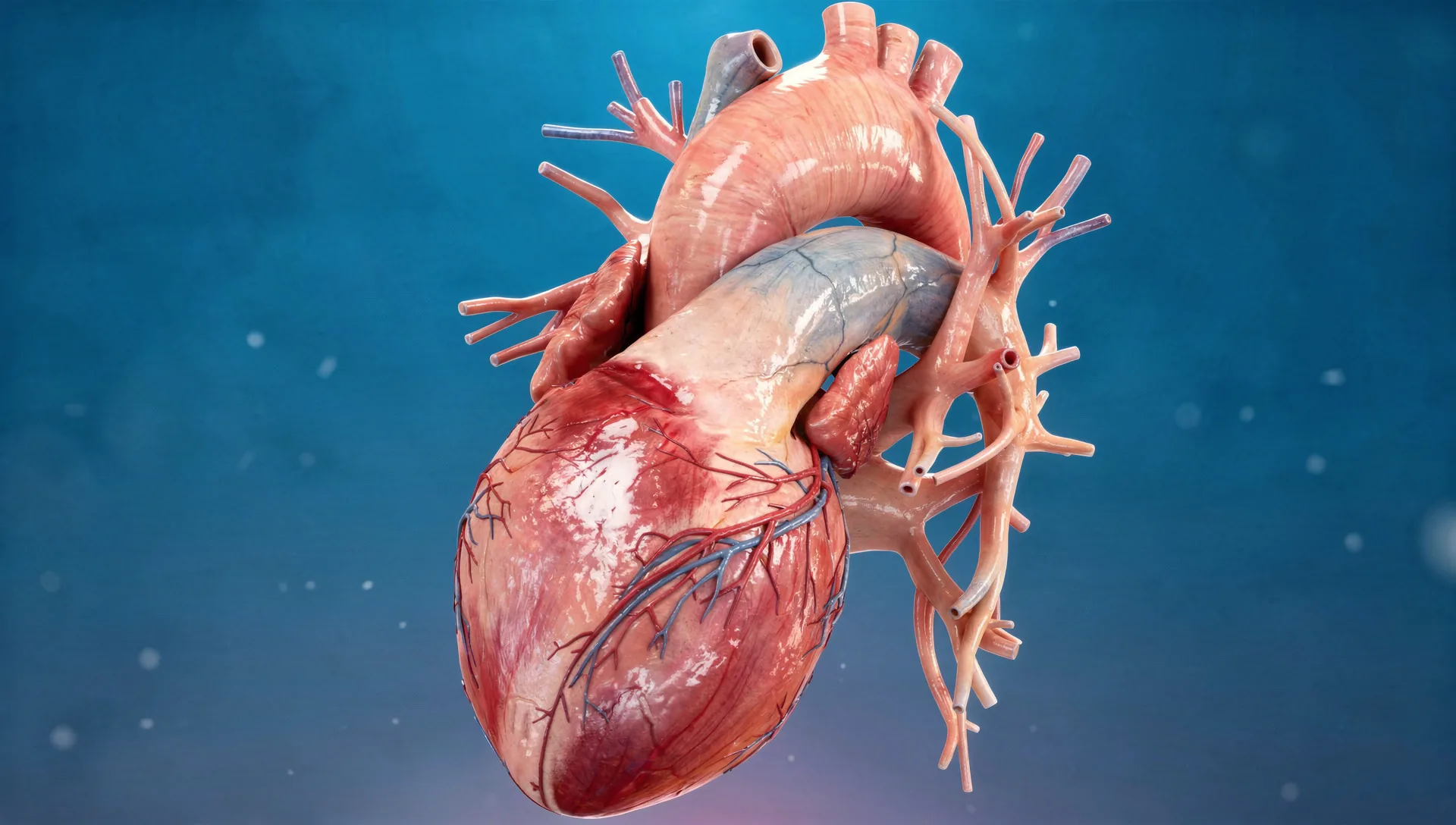
The animation
One heart, from the outside in.
The animation opens on the coronary vessels on the surface of the heart; after the great vessels and the heart as a whole, it moves on to sections: the chambers, the valves, the muscle structure and the valve plane seen from above. At the end, the camera pulls back to show the whole heart again.
SNAPSHOT
SECTOR
Healthcare · Cardiology · Medical communication
PLATFORM
3D medical animation · Horizontal 16:9
YEAR
2025
ROLE
3D Animation · Rendering · Editing
DELIVERABLES
59-second 3D medical animation (16:9) · A text-free edit that works in any language · 4 high-resolution renders
THE CHALLENGE
What needed solving?
The heart is built from layers that sit inside one another: the coronary vessels on the surface, the great vessels, the chambers, the valves and the muscle structures attached to them. These layers had to be shown in an order that keeps viewers oriented and never mixes them up.
It was just as important that the sections never lose their link to the whole heart: in every close-up, viewers had to know which part of the heart they were looking at.
APPROACH
How we solved it.
We built a camera language that opens the heart from the outside in, layer by layer.
Starting from the surface
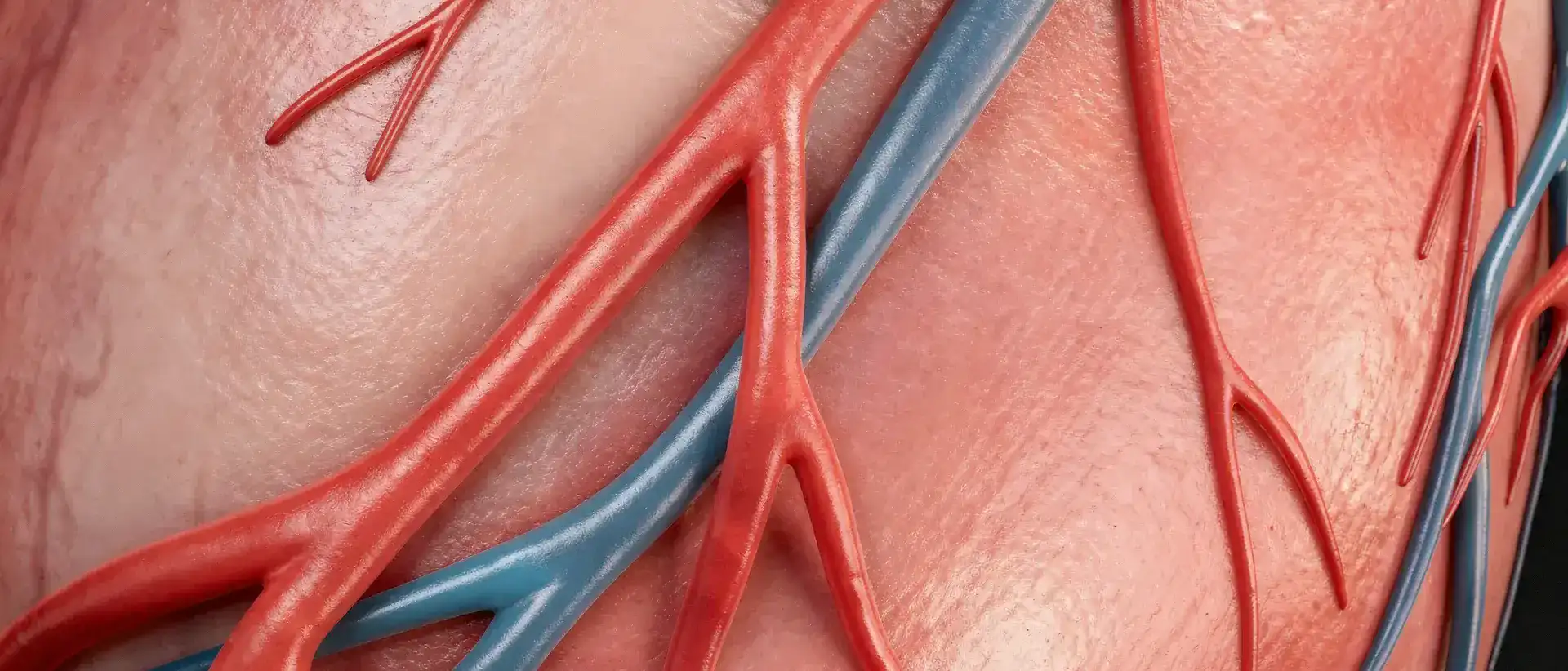
The animation opens on a close-up of the coronary vessels; the great vessels and the rotating heart then introduce the structure as a whole.
Going in with sections
The heart opens up; the chambers, the wall between them and the valves are shown in cross-section.
The valves in close-up
The valves are treated on their own, with the muscle structures attached to them and the valve plane seen from above.
No on-screen text
The dark blue background, soft light and focus shifts carry the story. The animation can be used as it is in any language.
THE SOLUTION
The animation opens on a close-up of the coronary vessels branching across the surface of the heart. The camera then travels over the great vessels leaving the heart and across its surface; the heart, turning on a dark blue background, shows the structure as a whole.
When the heart opens up, the chambers and the wall between them come into view. Close-ups move into the chambers, and in the next scene a cross-section of the ventricles shows the valves opening and closing.
A close-up from inside the ventricle brings out the muscle and tendon structures attached to a valve. A semi-transparent view reveals the fine network in the heart's tissue, and the valve plane is then shown from above, with all four valves in a single frame.
At the end, the camera moves close to the surface of the heart and pulls back to show it whole again. The 59-second animation is made up of 11 scenes and uses no on-screen text.
Inside the film
Sections and valves.
The second half of the animation focuses on the inside of the heart: the chambers and the wall between them in cross-section, and the valves with the muscle structures attached to them in close-up.
Inside the heart
The heart opens up; the chambers, the valves and a cross-section of the ventricles appear in turn.
The valves
Muscle and tendon structures attached to a valve inside the ventricle, followed by the valve plane seen from above.
11 scenes
From surface to section, each scene a layer.
The coronary vessels, the great vessels, the whole heart, the sections, the valves and a semi-transparent view: the scenes are linked on a dark blue background with soft light and focus shifts.
Let's explain an organ, a mechanism or a medical device with a 3D animation.
A scientific source, a draft script or a single topic you want to explain is enough to start; we'll come back with a concept and a tailored quote.
IMPACT
What it delivered.
A single animation showed the structure of the heart in one coherent order, from the surface inwards:
The vessels, chambers and valves were explained in one visual world, through connected scenes.
Thanks to its text-free structure, the animation can be used as it is in presentations and training in different languages.
High-resolution renders from the scenes can also be used in print and digital materials.
WHERE IT'S USED
Built for these moments.
- ›Cardiology training content
- ›Medical device and pharmaceutical communication
- ›Congress and symposium presentations
- ›Patient information materials
- ›Website and social media content
This project is a 3D animation production. Explore our animation services for product, industrial and medical storytelling.
Animation services→Medical Animation Quote
Let's plan a medical animation for your topic
Tell us briefly about the anatomy, mechanism or device you want to explain, who the audience is and where the animation will be used. We'll prepare a fitting concept and a tailored quote.
A little prep speeds things up
- —A short brief about the topic and the process to explain
- —Scientific sources, visuals or a draft script, if available
- —Audience and where it will be used (training, congresses, web)
Your details are used only to prepare your quote. Our team gets back to you within 24 hours.
From Our Clients
The 3D animation ADIM produced completely changed the way we present our product. In sales meetings, a single video now explains us far more clearly and effectively.
We were updated at every stage, revisions came back the same day, and the work was delivered on time. It was the first time we experienced such a smooth production process.
The content we showed at our trade show stand instantly caught visitors’ attention. Our booth became one of the most talked-about areas of the event, with feedback far beyond our expectations.