

Common Mistakes in Medical Training Content
A comprehensive overview of common planning and design mistakes in medical training content and their impact on learning effectiveness.

ADIM Blog
11 February 2026 | 2 Minute Reading
Medical training content plays a crucial role in ensuring accurate and effective knowledge transfer. However, many educational materials fail to deliver the intended impact due to common planning and execution mistakes. These issues can reduce learning effectiveness and even lead to misinformation.
Failing to Clearly Define the Target Audience
One of the most common mistakes is not clearly identifying the target audience. Specialists, residents, nurses, and medical students all have different knowledge levels and expectations.
When the audience is unclear:
Content becomes either too basic or overly complex
Learner engagement decreases
Educational goals are not achieved
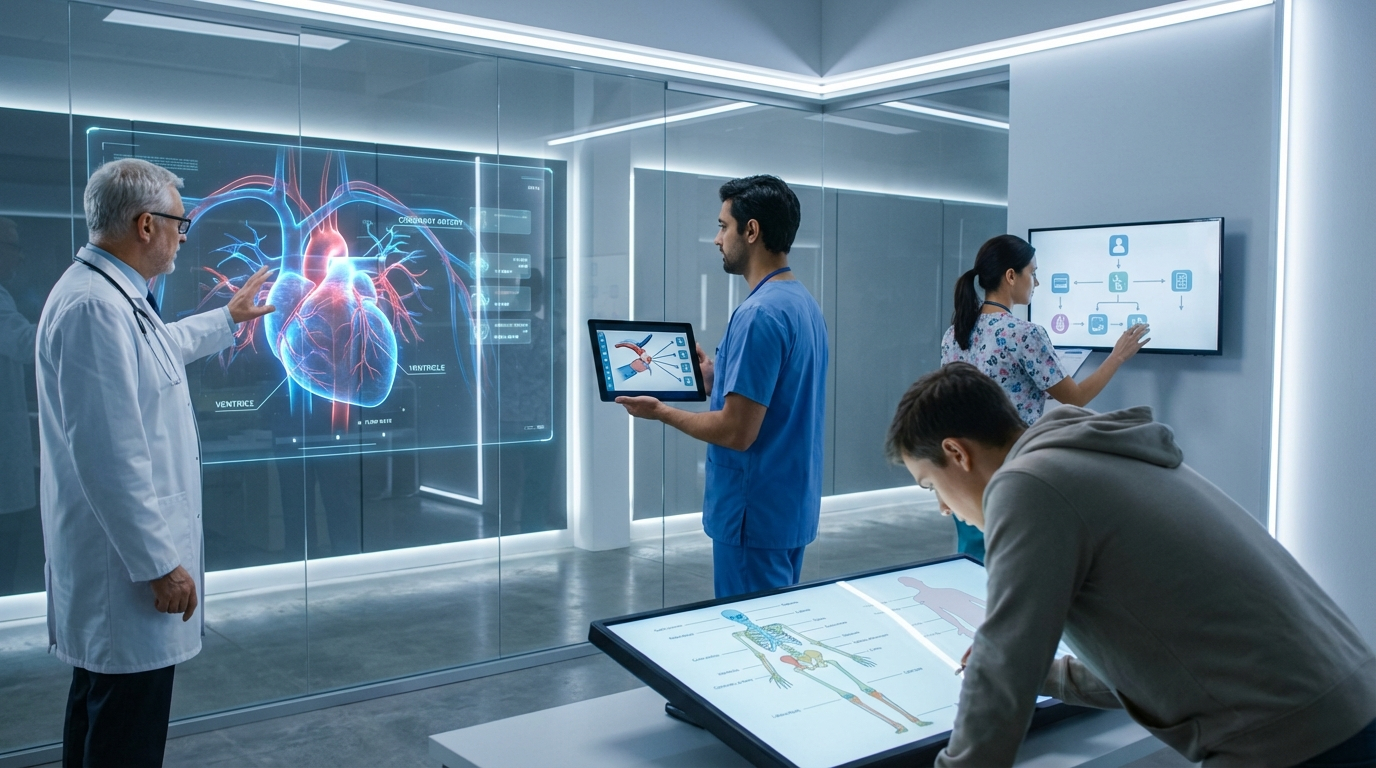
Overloading Content with Too Much Information
Medical topics are complex, but presenting too much information at once overwhelms learners. Information overload is a frequent and damaging mistake.
This leads to:
Reduced focus
Lower retention rates
Incomplete learning experiences
Effective training content breaks information into structured, digestible segments.
Insufficient Use of Visuals and Animation
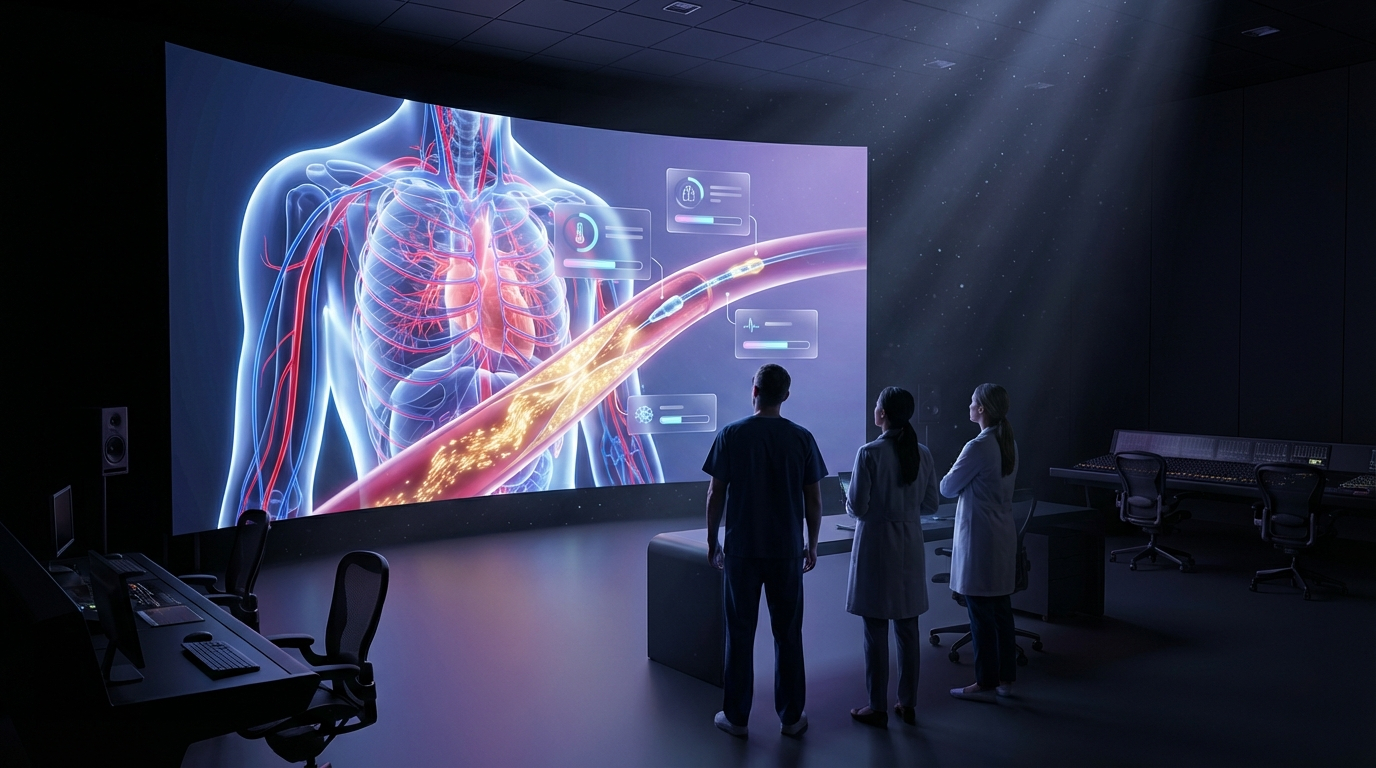
Text-heavy or static content fails to take advantage of visual learning. Medical visuals and animations significantly improve comprehension of complex processes.
Lack of visuals results in:
Difficulty understanding abstract concepts
Low engagement
Longer learning curves
Lack of Scientific References and Updated Information
Medical knowledge evolves rapidly. Content based on outdated sources undermines credibility and may cause clinical errors.
This issue:
Reduces trust in training materials
Risks incorrect clinical practice
Damages institutional reputation
All medical training content should be grounded in up-to-date, evidence-based sources.
Failing to Connect Theory with Clinical Practice
Without real-world clinical context, theoretical knowledge is quickly forgotten. Missing case studies and practical scenarios weaken learning outcomes.
This results in:
Abstract understanding
Poor knowledge transfer to real practice
Passive learners
One-Way and Non-Interactive Delivery
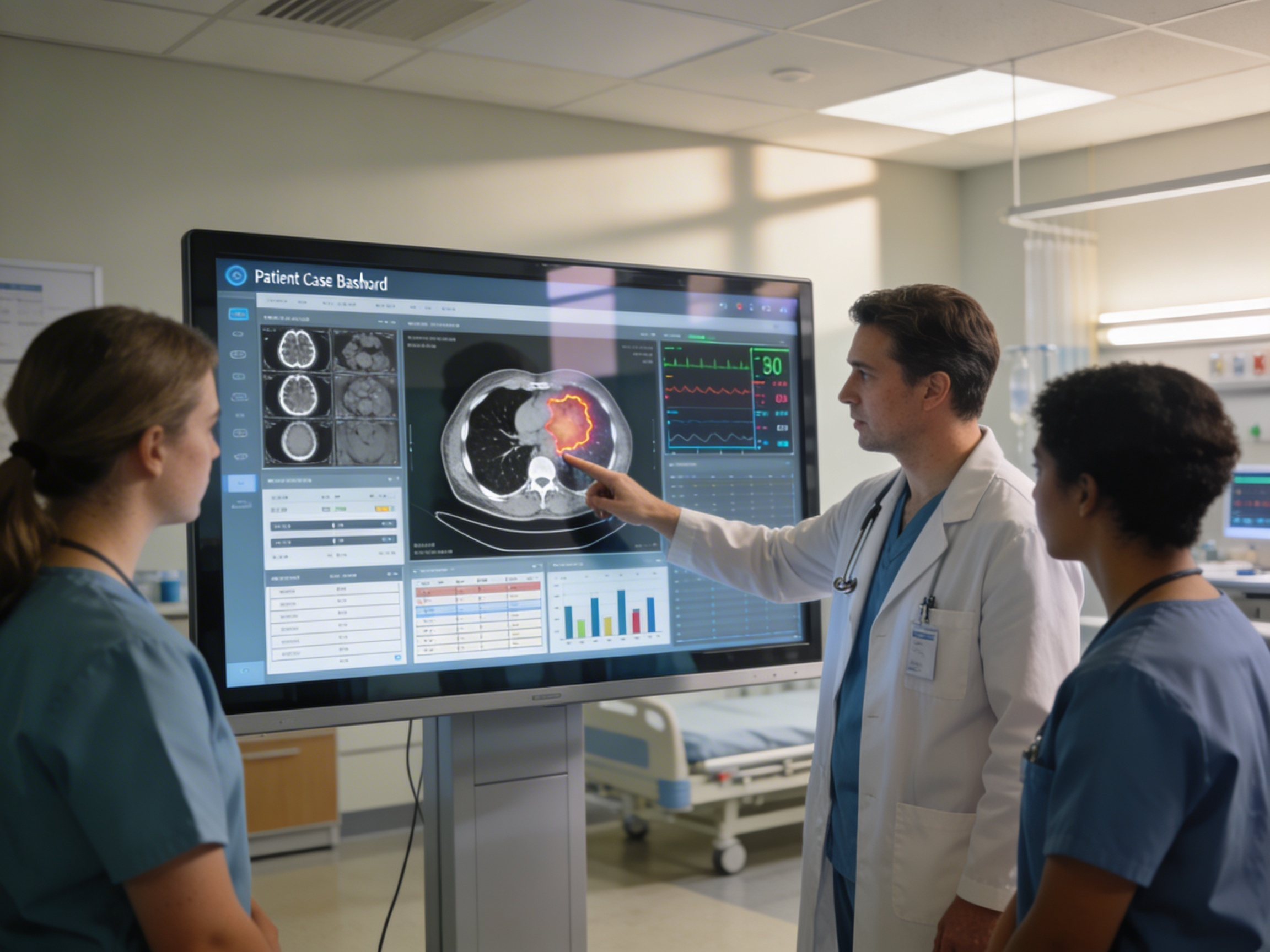
Modern medical education requires interaction. Passive, one-directional content is often ignored or abandoned, especially in digital environments.
This mistake:
Lowers motivation
Reduces retention
Increases dropout rates
Conclusion
Most mistakes in medical training content stem from poor instructional design rather than lack of expertise. Content that is audience-focused, visually supported, scientifically current, and clinically relevant forms the foundation of effective medical education.
If you want to improve your medical training content with professional instructional design and medical visual solutions, feel free to contact us and elevate the quality of your educational programs.
Let's Elevate Your Brand Together
Our experienced team is here to support you in your animation and visualization projects.